
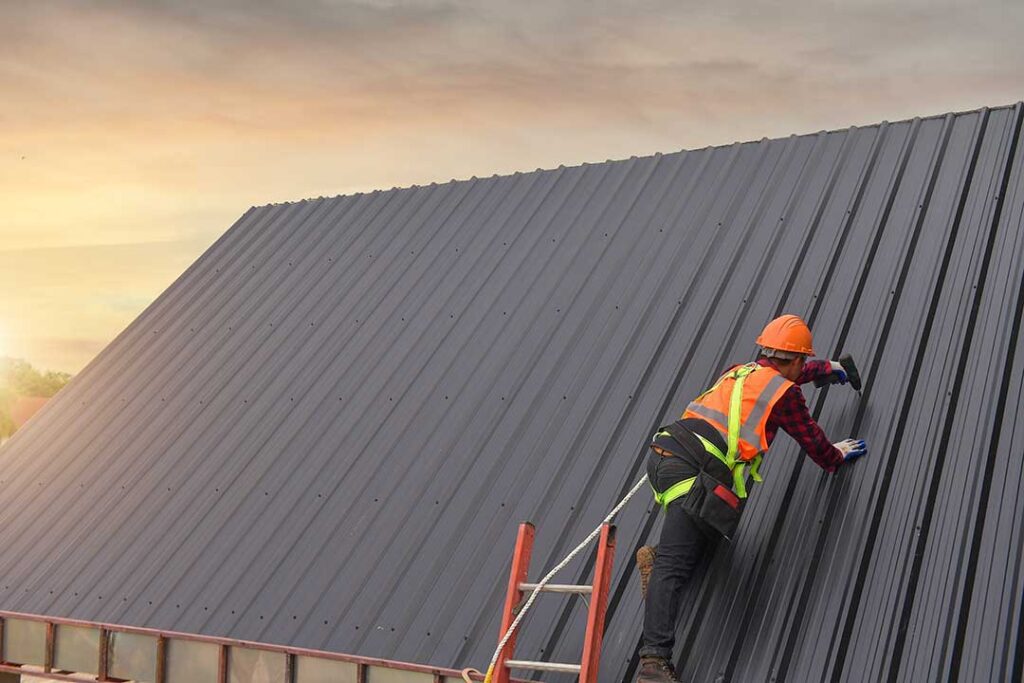
A professional roof inspection is a systematic review of the roof’s visible materials, drainage, flashing, ventilation, and related areas. The purpose is to identify current problems, signs of developing damage, and conditions that may affect the roof’s service life.
For residents of Greene, NY, inspections can be especially useful after winter weather, strong wind, heavy rain, ice buildup, or repeated freeze-thaw cycles. A roof may continue to look acceptable from the ground while water is already entering beneath shingles or around roof penetrations.
What happens before the inspection begins?
The inspection usually starts with a conversation about the property and any concerns that led to the visit. This may include:
- The age of the roof, if known
- Past repairs or roof replacement work
- Recent leaks, stains, or damp odors
- Wind, hail, falling branch, or ice damage
- Rooms where water marks have appeared
- Changes to attic insulation, ventilation, or heating
The inspector may also ask whether leaks occur only during certain weather. A ceiling stain that appears during wind-driven rain can point to a different problem than moisture that develops after melting snow.
Photos, maintenance records, repair invoices, and information about previous roof layers can help provide useful background. However, an inspection does not depend entirely on paperwork. The roof and related building components still need to be observed directly where access is safe.
Will the inspector walk on the roof?
Sometimes, but not always. A roof may be inspected from the surface, from a ladder, from the attic, from nearby ground areas, or with other visual methods.
Walking on the roof may be avoided if the surface is icy, wet, steep, fragile, damaged, or likely to be harmed by foot traffic. Older shingles can become brittle, and some roofing materials are not designed for routine walking. Safety concerns also apply to the inspector, the occupants, and the building.
A report should explain how the roof was observed. If portions were not accessible, that limitation should be identified rather than treated as a complete evaluation.
This distinction matters during real estate transactions. A home inspection generally describes visible and readily accessible conditions; it is not the same as dismantling the roof or guaranteeing how many years remain before replacement.
What roof materials are examined?
The inspector looks for conditions that may reduce the roof’s ability to shed water or withstand weather. On asphalt-shingle roofs, common observations include:
- Missing, slipped, cracked, curled, or lifted shingles
- Granule loss and exposed matting
- Blistering, algae growth, or unusual surface wear
- Improperly installed repairs
- Exposed fasteners
- Open seams or deteriorated sealant
Other roof coverings have different warning signs. Metal roofing may be checked for corrosion, loose fasteners, open seams, damaged panels, and failed coatings. Slate, wood, tile, and low-slope roofing require material-specific evaluation.
An inspection is not limited to the roof covering. The condition of the roof deck, visible structural members, underlayment, and edge details may also be considered when they can be observed without destructive work.
Why are flashing and roof penetrations important?
Flashing is installed where water is most likely to collect or change direction. These areas often include wall intersections, valleys, chimneys, skylights, vents, plumbing pipes, and roof edges.
A roof can have generally sound shingles and still leak because flashing is loose, corroded, poorly sealed, or incorrectly overlapped. Around a chimney, for example, the problem may involve the flashing where the chimney meets the roof rather than the shingles farther away.
Inspectors also look at penetrations such as plumbing vents and exhaust vents. Cracked rubber boots, damaged collars, gaps, and exposed fasteners can allow water into the roof assembly.
Sealant alone is not always a lasting repair. If water is entering beneath a flashing component, adding surface caulk may conceal the symptom without correcting the underlying path.
What does the attic inspection reveal?
The attic can show evidence that is not visible from outside. Where access is available, the inspector may look for:
- Damp or stained roof sheathing
- Water trails near valleys, vents, or eaves
- Mold-like growth related to persistent moisture
- Rusted fasteners
- Compressed or displaced insulation
- Blocked soffit vents
- Inadequate or altered ventilation
- Light visible through roof openings
- Damaged rafters or trusses
Not every attic stain means the roof is currently leaking. Old leaks may leave discoloration after the area has dried. Conversely, a dry attic during a sunny inspection does not prove that the roof will remain dry during wind-driven rain or melting snow.
Ventilation is also easy to misunderstand. More vents are not automatically better. Intake and exhaust openings need to work together, and blocked airflow can contribute to moisture accumulation, uneven roof temperatures, and premature material aging.
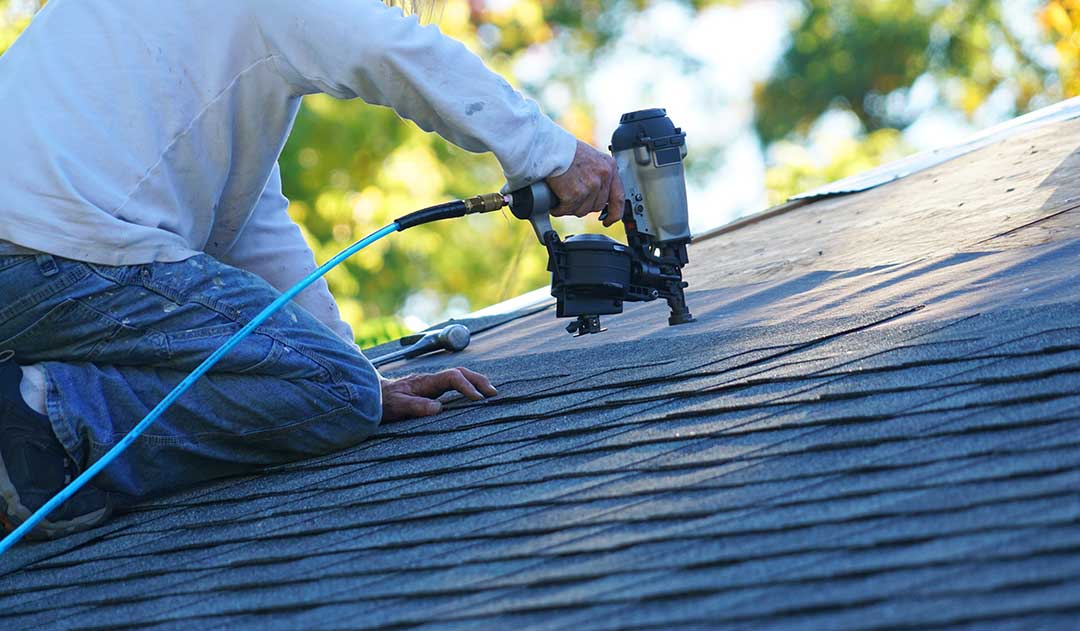
How are gutters and drainage checked?
Water management is a major part of roof performance. An inspection commonly includes visible portions of gutters, downspouts, drainage outlets, drip edges, and valleys.
The inspector may note:
- Sagging or separated gutters
- Clogged channels
- Downspouts that discharge too close to the foundation
- Missing or damaged drip edge
- Heavy moss or debris near drainage paths
- Ponding on low-slope sections
- Ice-damage patterns near eaves
In a community that experiences snow, freezing temperatures, and spring thaw, drainage problems can become more noticeable during seasonal transitions. Water that cannot move away from the roof may back up beneath roof coverings or repeatedly wet fascia and trim.
A roof inspection may identify drainage concerns without determining the full condition of underground drainage systems or foundation drainage. Those areas may require separate evaluation.
What will the final report usually include?
A useful report separates observations from recommendations. It may describe the roof covering, approximate age if known, visible defects, inaccessible areas, attic conditions, drainage, and signs of past repairs.
Photos are often helpful, particularly for defects that cannot be seen from the ground. The report may classify findings as:
- Routine maintenance
- Monitoring
- Repair needed
- Further investigation recommended
- Immediate safety or water-entry concern
The report should not automatically treat every defect as a need for full replacement. A few damaged shingles, a flashing defect, and widespread material failure are different conditions. The appropriate response depends on the location, extent, age, previous repairs, and likelihood of continued water entry.
Does a roof inspection approve repair or replacement work?
No. A condition inspection and a municipal building inspection serve different purposes. A condition inspection describes what can be observed at the time of the visit. A municipal inspection checks permitted work for compliance with applicable building requirements.
In Greene, roofing permits are required for roof replacement and roof recover work, while limited repairs may be treated differently. Property owners should verify current requirements with the local code enforcement office before beginning regulated roofing work. Permit rules can apply even when the planned work appears straightforward.
An inspection also does not guarantee that a roof will not leak later. Weather, hidden conditions, workmanship, and aging materials can change the roof after the inspection date. Its value is in documenting observable conditions and helping distinguish urgent concerns from ordinary maintenance.
When is an inspection especially useful?
A roof inspection is worth considering when there are unexplained ceiling stains, recurring attic moisture, missing materials after a storm, visible sagging, or a roof that has reached an uncertain age. It can also be helpful before buying or selling a home, after a major weather event, or before planning other exterior work.
Residents should avoid climbing onto a roof to investigate a suspected problem. Ground-level observations, attic photos, and notes about when moisture appears can provide useful information while reducing fall and damage risks.
IMAGE_ALT:
Inspector examining shingles and flashing on a residential roof with a ladder, attic access, and inspection notes.
