
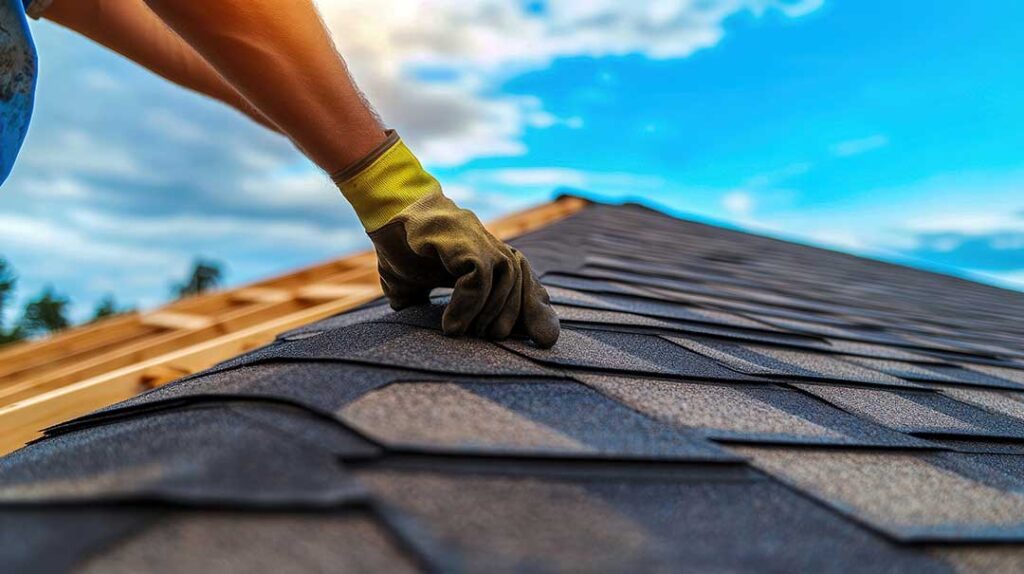
Seasonal roof maintenance is a practical way to identify small problems before they become interior leaks, insulation damage, or structural repairs. In Greene, NY, roofs must handle snow, ice, freezing temperatures, spring rain, summer heat, falling leaves, and occasional high winds throughout the year.
A useful maintenance plan does not require climbing onto the roof every few months. Many checks can be completed safely from the ground, attic, or upper windows. Roof surfaces should only be accessed when conditions are dry and safe, and steep, icy, or damaged roofs should not be walked on.
What should be checked in early spring?
Early spring is the right time to look for damage caused by winter weather. Snow weight, ice formation, freeze-thaw cycles, and strong winds can loosen roofing materials or expose weaknesses around roof openings.
From the ground, look for:
- Missing, lifted, cracked, or curled shingles
- Dark patches that may indicate exposed underlayment
- Loose metal flashing around chimneys, vents, skylights, and wall intersections
- Sagging roof lines
- Gutters that have pulled away from the fascia
- Granules collecting near downspouts
- Fallen branches or other debris on the roof
Inside the home, inspect the attic and upper ceilings for damp insulation, water stains, musty odors, or daylight visible through the roof deck. A spring leak may not appear directly below the damaged area because water can travel along rafters and decking before entering the living space.
Gutters and downspouts deserve special attention after winter. Remove leaves, twigs, and roof granules, then confirm that downspouts discharge water away from the foundation. A clogged drainage system can cause water to back up beneath roofing materials or collect near exterior walls.
How can a roof be prepared for summer?
Summer maintenance focuses on ventilation, heat, storms, and the condition of sealants and roof accessories. Warm weather is also a convenient time to inspect areas that may have been hidden by snow or ice.
Check attic ventilation for blocked soffit vents, damaged screens, or insulation that has been pushed into the ventilation path. Proper airflow helps release heat and moisture from the attic. Without adequate ventilation, excessive heat can shorten the life of roofing materials, while trapped moisture can contribute to mold, wood deterioration, and wet insulation.
After thunderstorms or high winds, inspect the property for:
- Shingles or metal pieces in the yard
- Fresh dents, cracks, or exposed fasteners
- Broken vent covers
- Damaged chimney caps
- Tree limbs resting on or near the roof
- New stains on ceilings or walls
Do not assume a roof is undamaged simply because there is no visible interior leak. Some storm-related openings may allow only occasional water entry, especially during wind-driven rain.
Summer is also a good time to trim branches that hang over the roof. Tree limbs can scrape roofing materials, drop debris into gutters, and provide a path for animals. Trimming should be done carefully because cutting near power lines or working from ladders can create serious hazards.
What roof problems should be watched for in autumn?
Autumn maintenance is mainly about drainage and preparation for snow. Leaves, pine needles, seeds, and small branches can collect in valleys, gutters, and around roof penetrations.
Before winter, clear gutters and downspouts and check that water flows freely. Look for rusted seams, separated joints, loose hangers, and damaged end caps. A gutter that appears intact may still overflow if it has settled out of level or if a downspout is partially blocked.
Inspect roof valleys from a safe location. Valleys carry a large amount of runoff and are especially vulnerable to debris accumulation. Debris should not be scraped aggressively across shingles, since rough cleaning can remove protective granules or break brittle roofing materials.
Autumn is also a useful time to check flashing. Flashing is designed to direct water away from vulnerable joints, but it can loosen or corrode over time. Pay particular attention to areas where the roof meets a wall, chimney, dormer, or vent.
Before temperatures drop, confirm that attic insulation is dry and evenly distributed. Wet insulation loses effectiveness and can conceal a roof leak. Also make sure bathroom and kitchen exhaust fans vent outdoors rather than into the attic, where warm moisture can condense on cold roof surfaces.
How should a roof be monitored during winter?
Winter roof care is mostly about observation and avoiding unsafe conditions. Snow and ice should not be ignored, but removing them improperly can cause more damage than the weather itself.
Watch for:
- Ice dams along the lower roof edge
- Icicles forming near gutters or roof valleys
- Snow accumulating unevenly
- Water stains that appear during or after a thaw
- Doors or windows that become difficult to operate because of shifting moisture
- New cracks or movement in ceilings
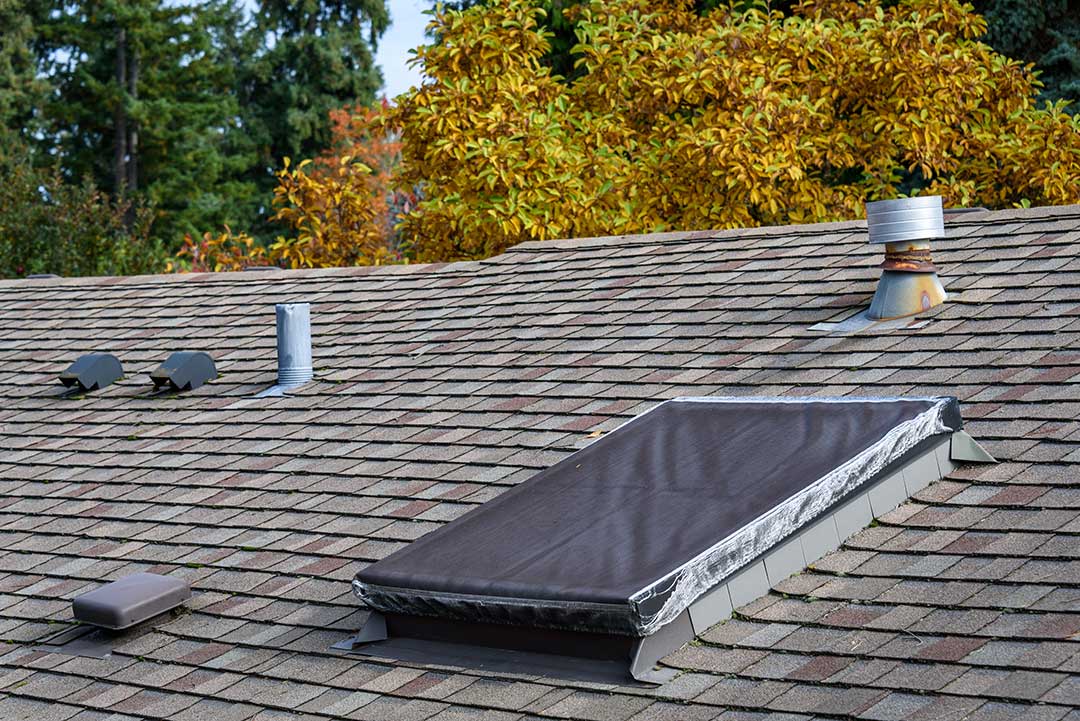
An ice dam forms when melting snow refreezes near the colder roof edge. The resulting ice can block runoff and allow water to move beneath roofing materials. Ice dams are often related to heat escaping into the attic, inadequate ventilation, air leaks around attic openings, or heavy snow followed by freezing temperatures.
Do not chip ice with a hammer, shovel, or sharp tool. This can damage shingles, membranes, gutters, and flashing. Heated cables also should not be installed casually, since poor installation can create electrical or roof-surface hazards. If snow or ice appears to threaten the structure, safe removal requires appropriate equipment and experience.
Snow should never be piled against exterior walls, vents, or lower roof sections. During a thaw, meltwater can enter places where it would not normally collect.
Which roof areas are commonly overlooked?
Roof maintenance often misses the small components that control water movement and air circulation. Check these areas as part of the seasonal routine:
- Pipe boots, which can crack as rubber ages
- Plumbing and attic vents, which can become loose or damaged
- Skylight flashing and seals
- Chimney mortar, caps, and flashing
- Fascia and soffit boards
- Attic insulation near eaves
- Gutters behind roof valleys
- Roof-to-wall intersections
- Moss or organic growth in shaded areas
Moss should not be pulled off forcefully because it may remove granules or loosen shingles. Organic growth also tends to return if moisture, shade, and debris remain. The underlying moisture conditions should be addressed rather than treating only the visible growth.
When does a roof problem require immediate attention?
Some conditions should be treated as urgent because they can worsen quickly or create safety risks. These include active dripping, a visibly sagging roof, a large missing section of roofing, exposed electrical components near water, extensive storm debris, or a chimney or tree limb resting on the roof.
Keep people away from areas beneath active leaks or sagging sections. Place containers under drips only if doing so is safe, and move valuables away from the affected area. Avoid entering an attic if the floor is wet, the ceiling is unstable, or electrical wiring may have been exposed to water.
Routine checks are valuable, but they do not replace attention to warning signs. A simple seasonal record with photographs, dates, and notes about changes can help distinguish normal aging from new damage and can make it easier to track recurring leaks, drainage problems, or ventilation concerns.
