
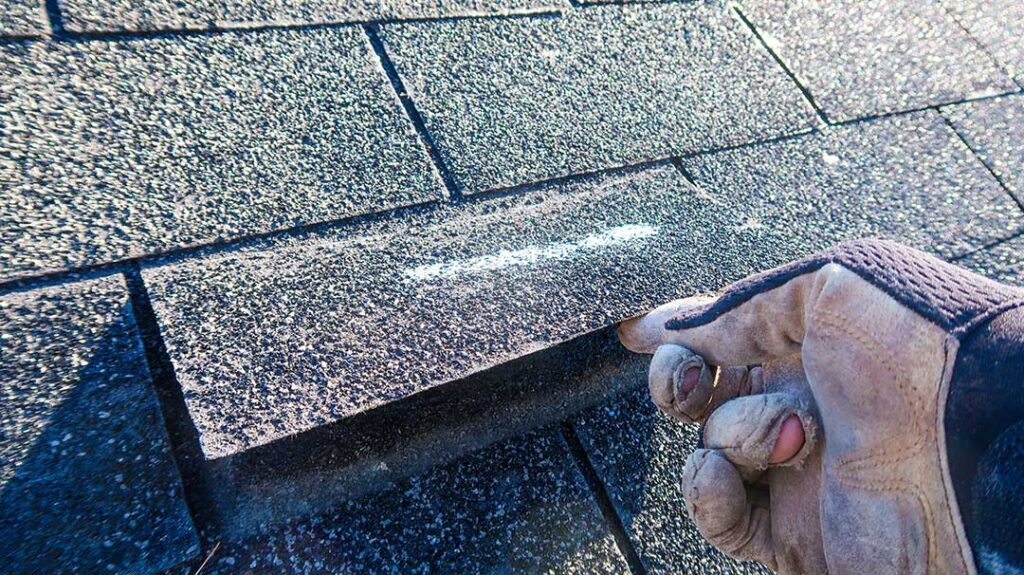
Roof replacement is usually needed when age, widespread damage, or repeated repairs show that the roof is no longer providing dependable protection. A few missing shingles do not automatically mean the entire roof must be replaced, but leaks in several areas, sagging, extensive granule loss, or an aging roof system deserve careful evaluation.
How long does a typical roof last?
A standard asphalt-shingle roof often lasts about 15 to 30 years, depending on the shingle quality, installation, ventilation, maintenance, and weather exposure. Architectural shingles may last longer than basic three-tab shingles, while poorly ventilated or repeatedly repaired roofs may deteriorate sooner.
For homes in Greene, NY, the roof experiences a wide range of conditions. Snow, ice, freeze-thaw cycles, summer heat, wind, falling branches, and moisture can all affect roofing materials. A roof that is 20 years old may still look acceptable from the ground but have weakened underlayment, brittle shingles, or deteriorated flashing.
Roof age is not the only factor, but it is one of the most useful starting points. If the installation date is unknown, records from a previous home sale, permit paperwork, or old repair receipts may help establish an approximate age.
Which signs mean a roof may need replacement?
Some warning signs indicate isolated damage, while others suggest that the roof system is nearing the end of its service life.
Look for:
- Shingles that are cracked, curled, blistered, or missing
- Bald areas where the dark protective granules have worn away
- Numerous loose or exposed nails
- Dark streaks, moss, or algae combined with deteriorating shingles
- Sagging areas along the roofline or between rafters
- Water stains on ceilings, walls, or attic surfaces
- Daylight visible through the roof deck
- Damaged flashing around chimneys, vents, skylights, or roof edges
- Granules collecting in gutters
- Repeated leaks in different parts of the house
A few damaged shingles after a windstorm may be repairable. A pattern of damage across multiple slopes is more concerning because it can indicate that the materials are failing broadly rather than in one isolated location.
Does a roof need replacement if it leaks?
Not always. A single leak may come from damaged flashing, a plumbing vent, an improperly sealed penetration, or one area of wind-damaged shingles. In those cases, a targeted repair may solve the problem.
Replacement becomes more likely when leaks are recurring, appear in several locations, or occur on an older roof with visible deterioration. Water can travel along rafters and roof decking, so the stain on a ceiling may not be directly below the entry point. Painting over the stain without addressing the source can allow hidden damage to continue.
Persistent moisture may damage insulation, wood framing, drywall, and electrical components. A small interior stain should not be treated as proof that the entire roof has failed, but it should be investigated promptly.
What does sagging indicate?
A sagging roofline is a serious warning sign because it may involve more than surface shingles. Possible causes include weakened roof decking, prolonged moisture intrusion, overloaded framing, poor drainage, or structural movement.
Sagging can appear as a dip along the ridge, a low area between rafters, or a visibly uneven section near the eaves. It should not be covered with new shingles without determining why the structure has moved. If the roof appears unstable, residents should avoid walking on it and keep clear of areas where interior ceilings are bulging or heavily stained.
Can moss or algae alone justify replacement?
Moss or algae alone does not automatically mean a roof needs replacement. Growth may occur where moisture remains on shaded slopes or where leaves collect. Moss can become a problem when it lifts shingles, holds moisture against the roof surface, or spreads across a large portion of an aging roof.
Aggressive scraping or pressure washing can remove protective granules and shorten shingle life. The condition of the shingles beneath the growth matters more than the presence of the growth itself. If shingles are still flexible, properly sealed, and largely intact, cleaning and correcting moisture-related conditions may be enough. If the shingles are brittle, cracked, or lifting, replacement may be more appropriate.
How do winter conditions affect roof decisions?
Snow and ice can expose weaknesses that were less visible during warmer months. Ice dams may form when heat escapes into the attic and melts snow unevenly. Water can then back up beneath shingles and enter at roof edges, walls, or ceilings.
Ice dams are not always evidence that the shingles must be replaced. They may be related to insufficient attic insulation, blocked ventilation, heat loss, or drainage conditions. However, repeated ice-dam damage can deteriorate shingles, underlayment, decking, insulation, and interior finishes.
After winter, inspect for displaced shingles, bent metal edging, damaged flashing, leaks near exterior walls, and wet attic insulation. Repairs to ventilation and insulation may help prevent recurrence, but widespread material damage may change the replacement decision.
Is a roof replacement necessary before selling a home?
Not necessarily. A roof that has several useful years remaining may not need replacement before a sale. However, an older roof with visible defects can affect inspection findings, insurance requirements, financing, and the buyer’s willingness to proceed.
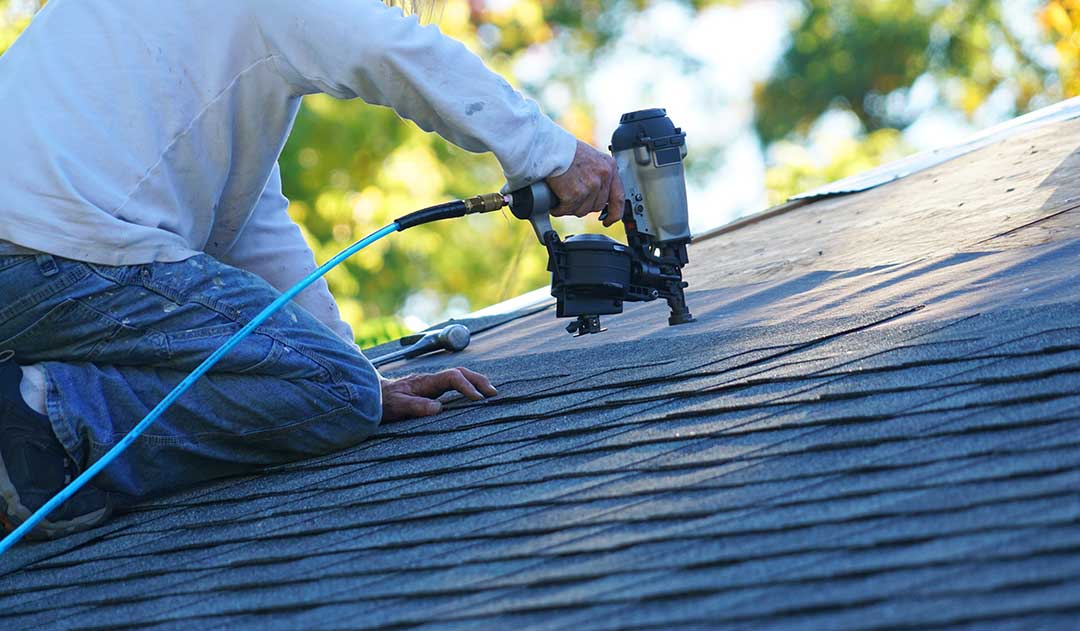
The practical question is whether the roof can reasonably protect the home through the near future. Documented repairs, a known installation date, and evidence of routine maintenance can help explain the roof’s condition. Concealing leaks or installing new shingles over serious structural problems can create larger issues later.
When is repair a better choice?
Repair is often reasonable when the damage is limited and the rest of the roof remains in good condition. Examples include:
- A small number of missing shingles after a storm
- Localized flashing damage
- A single damaged vent boot
- A minor leak with a clearly identified source
- Limited wind or branch impact on an otherwise sound roof
Replacement is more practical when repairs are frequent, different sections are failing, or the cost of correcting one problem reveals several others. Installing new shingles over a deteriorated base may provide only a temporary improvement and can hide damaged decking or underlayment.
What should be checked before deciding?
A sound decision considers the entire roof system, not just the visible shingles. Important factors include:
- The age and type of roofing material
- The condition of the roof decking
- Attic ventilation and insulation
- Flashing around penetrations and roof edges
- Gutters, downspouts, and drainage patterns
- Evidence of past leaks or interior moisture
- Storm exposure and nearby trees
- The number and quality of previous repairs
Roof surfaces can be slippery, unstable, and difficult to assess safely. Walking on steep, wet, icy, or damaged areas creates fall and structural hazards. A qualified inspection is especially appropriate when there is sagging, active leaking, extensive storm damage, or uncertainty about whether the roof deck is safe.
For many households, the clearest replacement signal is not one dramatic defect but a combination of age, repeated leaks, widespread shingle deterioration, and increasing repair needs. Tracking those conditions over time provides a more reliable basis for planning than judging the roof by appearance alone.
