
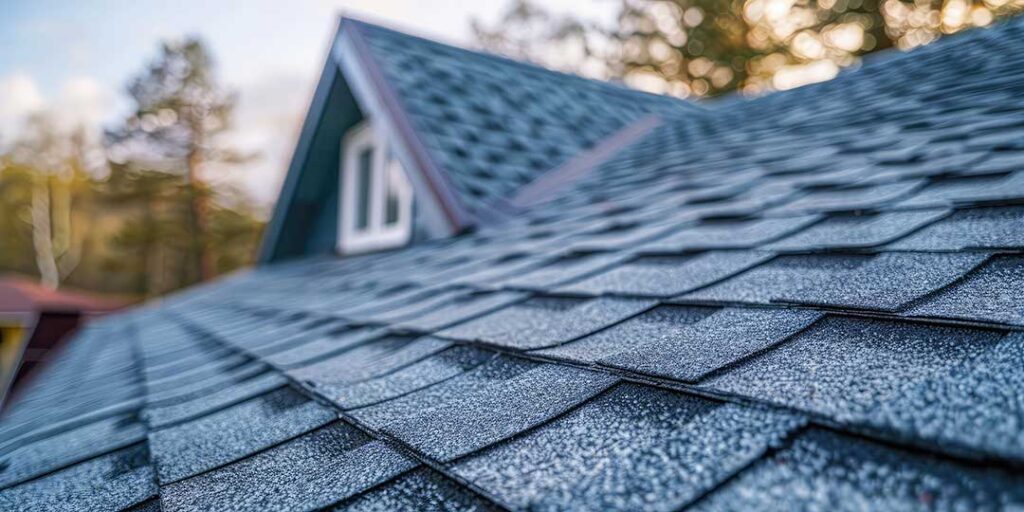
A professional roof inspection is a structured evaluation of the roof system, attic, and related drainage areas. The purpose is to identify current damage, early signs of failure, maintenance concerns, and conditions that may become more serious if left unnoticed.
For households in Greene, NY, inspections can be especially useful after winter weather, strong winds, heavy rain, or repeated freeze-thaw cycles. A roof may look acceptable from the ground while problems are developing beneath shingles, around flashing, or inside the attic.
What happens before the inspection begins?
The inspection usually starts with questions about the roof’s history and any problems noticed inside the home. Information about leaks, repairs, age, storm exposure, ventilation changes, or past ice buildup can help direct attention to areas that deserve closer review.
The inspector may ask about:
- Water stains on ceilings or walls
- Dripping or dampness during rain
- Missing, lifted, or damaged shingles
- Previous roof repairs
- Unusual attic odors or visible mold-like growth
- Higher heating or cooling costs
- Snow or ice collecting along roof edges
- Recent storms or fallen branches
This initial discussion matters because some roof problems only appear under particular weather conditions. A leak may show up during wind-driven rain but remain dry during a light shower.
How is the exterior roof examined?
The exterior inspection typically begins from the ground. This gives the inspector an overall view of the roof’s shape, slope, drainage pattern, visible sagging, and areas that may be difficult or unsafe to access directly.
If conditions allow, the roof surface is examined more closely. The inspector looks for:
- Missing, cracked, curled, blistered, or loose shingles
- Exposed fasteners or deteriorated sealant
- Damaged ridge caps and roof edges
- Worn areas around valleys
- Granule loss in gutters or at the base of downspouts
- Punctures, impact marks, or damage from branches
- Uneven sections that may indicate movement beneath the roof covering
Shingles are only one part of the roof system. A roof can have intact-looking shingles but still experience problems caused by poor flashing, blocked drainage, inadequate ventilation, or water entering at a penetration.
Roof access is not automatic. Wet surfaces, ice, steep slopes, unstable ladders, or other hazards may prevent close walking inspection. In those situations, the inspector may use ground-level observations, binoculars, cameras, or other methods rather than creating a safety risk.
Why are flashing and roof penetrations inspected closely?
Flashing is installed where the roof meets another surface or where water could collect and enter. These areas commonly include chimneys, plumbing vents, skylights, wall intersections, dormers, valleys, and roof edges.
During the inspection, flashing is checked for:
- Gaps or lifted sections
- Corrosion or physical damage
- Cracked or failed sealant
- Improper overlap
- Signs of water staining nearby
- Separation between roofing materials and vertical surfaces
A small flashing defect can allow water to travel beneath the roof covering before appearing indoors. The visible ceiling stain may be several feet away from the actual entry point, which is why interior and exterior findings need to be considered together.
What is checked in the attic?
The attic often provides some of the clearest evidence of roof performance. An inspector may examine the underside of the roof deck, insulation, ventilation paths, framing, and areas around penetrations.
Typical attic observations include:
- Dark staining or water marks on the roof deck
- Damp insulation or compressed insulation
- Visible daylight through unintended openings
- Rusted nails or fasteners
- Condensation on cold surfaces
- Signs of inadequate airflow
- Damaged or sagging sheathing
- Evidence of animals or insects entering through roof openings
Not every attic stain means the roof is actively leaking. Some marks come from an old repair, seasonal condensation, or a past issue that has already been corrected. The inspection should distinguish between active moisture, historical evidence, and conditions that require monitoring.
Ventilation is also reviewed because excess attic moisture can damage wood, reduce insulation performance, and contribute to winter problems. In cold weather, warm air escaping into a poorly ventilated attic may increase condensation or contribute to ice buildup near roof edges.
Are gutters and drainage included?
Roof drainage is generally part of the inspection because water must leave the roof efficiently. Gutters, downspouts, extensions, and nearby ground conditions can all affect how water behaves around the building.
The inspection may identify:
- Gutters filled with roofing granules or debris
- Sagging or separated gutter sections
- Downspouts that discharge too close to the foundation
- Water marks beneath the eaves
- Overflow areas
- Ice-related distortion
- Roof valleys that direct unusually large amounts of water toward one location

A roof covering may remain in reasonable condition while poor drainage causes water to back up, soak trim, or collect near the foundation. In wooded areas, leaves and small debris can also make seasonal gutter maintenance more significant.
Does a roof inspection include the inside of the home?
Many inspections include visible interior areas beneath the roof, such as ceilings, upper-floor walls, closets, and attic spaces. The inspector looks for staining, peeling paint, damp materials, musty odors, and other indications of moisture movement.
Interior evidence is useful but not always conclusive. A dry ceiling on the inspection day does not prove that a roof is leak-free. Some leaks occur only during heavy rain, strong wind, melting snow, or rapid temperature changes.
Moisture meters or other tools may be used when appropriate, but readings can be affected by materials, temperature, and recent weather. The result should be interpreted alongside visible conditions and the building’s history.
What should a written inspection report include?
A useful report explains observations in plain language and identifies the location and significance of each concern. Photographs are often included so the property owner can understand what was found without relying solely on technical terms.
The report may separate findings into categories such as:
- Conditions requiring prompt attention
- Maintenance items
- Areas to monitor
- Components that appear serviceable
- Limitations caused by weather, access, or visibility
The report should not automatically treat every defect as evidence that the entire roof needs replacement. A few damaged shingles, failed flashing, or blocked drainage may be repairable, while widespread deterioration, structural damage, or repeated leakage may indicate a larger issue.
What can a professional inspection not determine?
An inspection is a visual evaluation, not a guarantee that a roof will never leak. Hidden damage beneath roofing materials may not be visible without removing materials, and some conditions cannot be confirmed without specialized testing.
An inspection may also be limited by:
- Snow or ice covering the roof
- Wet or unsafe surfaces
- Restricted attic access
- Finished ceilings that conceal framing
- Heavy debris or vegetation
- Poor lighting
- Severe weather
- Areas that cannot be reached safely
These limitations should be clearly stated. A careful report explains what was observed, what could not be examined, and what additional evaluation may be needed if uncertainty remains.
When is an inspection most useful in Greene?
A roof inspection can be useful after major wind, heavy rain, falling branches, or a winter with repeated snow and ice conditions. It can also provide practical information before purchasing a home, after noticing interior staining, or when an older roof begins showing changes.
For local households, spring is often a useful time to identify winter damage and drainage problems. Late summer or early fall can also be a reasonable period to review the roof before colder weather, shorter daylight, and snow make access more difficult.
Urgent attention is warranted when water is actively entering the home, the roof deck is visibly sagging, electrical components may be wet, or large sections of roofing have been displaced. Until the area is evaluated safely, avoid walking on the roof or entering an unstable attic.
A professional inspection is most valuable when it provides a clear record of the roof’s present condition, separates urgent problems from routine maintenance, and explains how weather, drainage, ventilation, and building age may affect future performance.
