
A roof does more than keep rain and snow out. Its insulation, ventilation, air sealing, surface material, and condition all influence how much energy a home uses to stay comfortable.
For households in Greene, NY, roof performance matters throughout the year. Cold winters increase heating demand, while sunny summer weather can warm attic spaces and upper rooms. Understanding how the roof system works can help residents identify energy waste before it becomes a larger comfort or moisture problem.
How does a roof affect home energy use?
A roof affects energy efficiency mainly by controlling heat movement between the living space and the outdoors. In winter, heat naturally rises and can escape through an under-insulated attic or ceiling. In summer, heat from the sun can move downward through the roof assembly and make upper rooms uncomfortable.
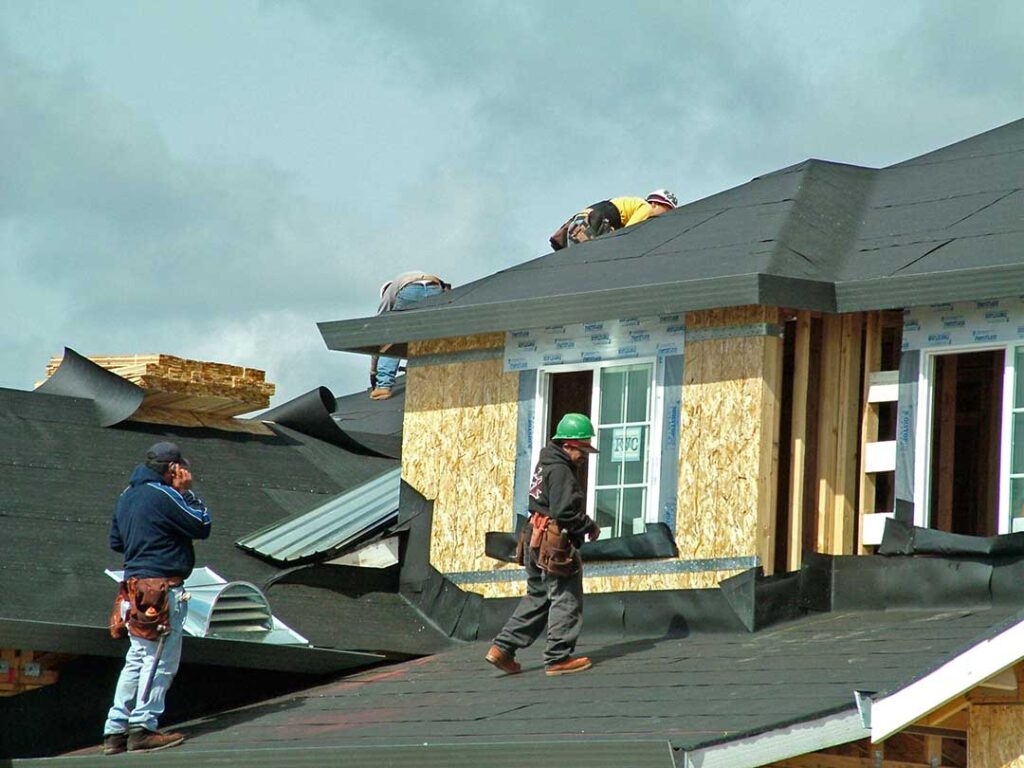
The roof system includes more than the shingles or other exterior covering. It also includes:
- Roof decking
- Underlayment and flashing
- Insulation
- Air-sealing materials
- Attic ventilation
- Ceiling materials
- Ductwork or mechanical equipment located in the attic
A roof with durable shingles but poor insulation can still waste energy. Likewise, adding insulation without addressing air leaks or blocked ventilation can create moisture and durability problems.
Is attic insulation more important than roofing material?
For most homes, attic insulation and air sealing have a larger effect on heating and cooling efficiency than roof color or shingle type. Insulation slows heat transfer, while air sealing stops warm, moist indoor air from leaking into the attic through gaps around light fixtures, plumbing pipes, wiring, chimneys, and attic access panels.
In winter, insufficient insulation can allow heat to escape through the ceiling. This may contribute to uneven room temperatures, higher heating use, and snow melting unevenly across the roof.
In summer, weak insulation allows solar heat accumulated in the attic to move into the living space. This is especially noticeable in finished upper floors, bedrooms beneath sloped ceilings, and rooms with limited shade.
Before adding insulation, air leaks should generally be sealed first. Insulation works best when it forms a continuous layer rather than leaving gaps around penetrations and edges.
Why are roof ventilation and insulation connected?
Proper attic ventilation and insulation serve different purposes, but they must work together. Insulation limits heat transfer between the home and attic. Ventilation allows outdoor air to move through the attic space, helping control heat and moisture.
A typical vented attic may use intake vents near the eaves and exhaust vents near the ridge or upper roof area. The exact arrangement depends on the roof design.
Ventilation can help:
- Keep the attic cooler during sunny weather
- Reduce moisture accumulation
- Help the roof assembly dry
- Lower the chance of winter ice dam formation
- Protect insulation from damp conditions
A common mistake is placing insulation over soffit or eave vents. That blocks airflow and can cause the attic to become poorly ventilated. Baffles or rafter vents may be needed to preserve an open air channel from the eaves into the attic.
More ventilation is not automatically better. Openings should be balanced and should not allow wind-driven snow or rain to enter. Roof ventilation also cannot compensate for major air leaks from the living space.
Can a darker or lighter roof change energy efficiency?
Roof color can affect summer heat gain, but its value depends on the home’s climate, insulation, roof design, and cooling needs.
A lighter or more reflective roof surface absorbs less solar energy and may keep the roof surface cooler during sunny weather. This can be useful for buildings with significant air-conditioning demand, especially those with low-slope roofs or poorly insulated upper spaces.
In a heating-dominated climate, however, the winter benefit of a dark roof absorbing sunlight may partly offset summer cooling advantages. A reflective roof is not a substitute for adequate insulation, air sealing, or ventilation.
For many homes, improving the thermal barrier below the roof produces more dependable year-round results than changing the exterior color alone. Roof color should be considered as one part of a larger system rather than an independent energy solution.
What roof problems can increase energy waste?
Several roof and attic conditions can raise energy use or reduce comfort:
Missing or compressed insulation
Insulation may settle, be moved during repair work, or be absent around attic edges. Thin areas create weak points where heat can escape or enter more easily.
Air leaks
Small openings around wiring, plumbing, ducts, chimneys, and attic hatches can allow conditioned air to move into the attic. Moist indoor air can also condense on cold roof surfaces during winter.
Damaged attic insulation
Wet, moldy, compacted, or contaminated insulation may no longer perform as intended. Moisture often points to a roof leak, plumbing issue, condensation problem, or ventilation concern that should be addressed before new insulation is added.
Leaky ductwork
Heating and cooling ducts located in an attic can lose conditioned air through loose joints or damaged insulation. If ducts are outside the main heated envelope, even small leaks can increase system workload.
Roof leaks and flashing failures
A leak does not always appear directly below the damaged area. Water can travel along decking, framing, or insulation. Damp materials reduce insulation performance and can contribute to wood deterioration.
Ice dams
Ice dams form when heat escaping from the home warms part of the roof, melts snow, and allows water to refreeze near colder roof edges. They are more likely when insulation, air sealing, and ventilation are poorly balanced. Roof pitch, weather patterns, shade, and snow accumulation also affect risk.
How can residents check for roof-related energy problems?
A basic attic inspection can reveal warning signs, although roof surfaces and attic spaces may be unsafe to access.
Look for:
- Daylight entering through unintended gaps
- Frost or dampness on roof sheathing during cold weather
- Uneven insulation depth
- Insulation covering soffit vents
- Rusted fasteners or dark moisture staining
- Condensation around ducts or roof penetrations
- Unusually hot ceilings beneath the attic during summer
- Snow melting in irregular patches across the roof
- Drafts around the attic hatch
Utility bills alone cannot identify the exact source of energy loss, because weather, fuel prices, thermostat settings, occupancy, and appliance use also affect costs. Comfort patterns are often useful clues. A room that is consistently colder in winter or hotter in summer may be located beneath a weak area in the roof or ceiling assembly.
Should insulation be added during a roof replacement?
A roof replacement can provide an opportunity to improve energy performance, but the right approach depends on the roof design.
In an unfinished attic, improving insulation at the attic floor and sealing penetrations may be the most practical option. In a cathedral ceiling, finished attic, dormer, or low-slope roof, insulation may need to be addressed within the roof assembly itself.
Work involving roof insulation must account for moisture movement, ventilation, fire safety, and the location of electrical fixtures. Covering recessed lights, blocking ventilation paths, or trapping moisture against roof decking can create new hazards.
If a roof has active leaks, wet insulation, structural damage, or unsafe access conditions, the safety issue should be addressed before energy improvements. An energy upgrade is most effective when the roof is dry, intact, and properly detailed.
What is the most sensible order for improving roof efficiency?
For many homes, a practical sequence is:
- Correct active leaks and damaged flashing.
- Seal major air leaks between the home and attic.
- Confirm that attic ventilation paths are open and properly arranged.
- Add or improve insulation where needed.
- Inspect and seal attic ductwork if present.
- Consider roof surface reflectivity and other material choices during planned replacement.
This order helps prevent new insulation from hiding unresolved moisture or air-flow problems. It also recognizes that energy efficiency comes from the entire roof system, not from one product or visible exterior feature.
