
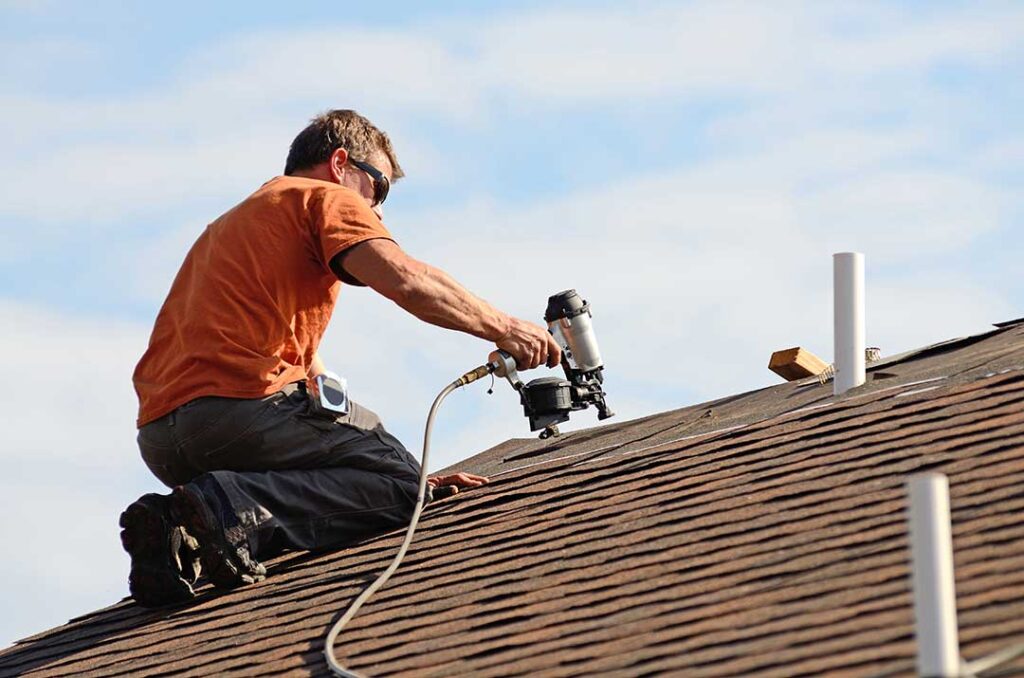
What makes a roofing material durable?
The most durable roofing material is not necessarily the one with the longest advertised lifespan. Durability depends on how well a roof handles moisture, wind, snow, ice, temperature changes, sunlight, falling branches, and routine maintenance.
For homes in Greene, NY, a durable roof also needs to perform through freeze-thaw cycles, winter snow, spring rain, summer heat, and occasional high winds. The roof’s slope, ventilation, flashing, underlayment, fasteners, and installation quality can matter just as much as the surface material.
A useful comparison includes:
- Expected service life
- Resistance to wind, hail, fire, and moisture
- Weight and structural requirements
- Maintenance needs
- Compatibility with the existing roof design
- Availability of matching materials for future repairs
- Total cost over the life of the roof
Which roofing materials generally last the longest?
Slate, metal, clay or concrete tile, and high-quality synthetic roofing products are among the longest-lasting choices. Asphalt shingles remain common because they balance cost, performance, and repairability, but they generally do not last as long as slate or properly installed metal roofing.
Slate roofing
Natural slate can last 75 to more than 100 years when the stone, fasteners, roof structure, and installation are suitable. It resists fire, insects, rot, and sunlight exceptionally well.
Its main limitation is weight. Some older homes may not have framing designed to support a slate roof, particularly if the roof was originally built for lighter materials. Slate can also crack if walked on improperly or struck by falling limbs. Replacement pieces may be difficult to match, especially on older roofs.
Slate is best viewed as a long-term structural system rather than simply a roofing surface. The decking, flashing, fasteners, and supporting framing all need to be considered.
Metal roofing
Metal roofing can last 40 to 70 years or more, depending on the material, coating, panel design, and maintenance. Standing-seam metal and other properly installed metal systems handle snow, rain, wind, and sunlight well.
Metal roofs are relatively lightweight and can shed snow efficiently on steeper slopes. They are also resistant to fire, rot, and insect damage. However, the details around chimneys, valleys, skylights, roof edges, and fasteners are critical. Poorly designed or improperly sealed penetrations can create leaks even when the panels themselves remain in good condition.
A metal roof is not automatically maintenance-free. Coatings may weather, exposed fasteners may require attention, and falling branches can dent some thinner panels.
Clay and concrete tile
Clay tile can last 50 to 100 years or longer. Concrete tile often has a service life of 40 to 75 years. Both materials resist fire, insects, and sunlight, and they can retain their appearance for decades.
The primary concerns are weight and brittleness. Tile roofing requires appropriate structural support and careful installation. Individual tiles can crack from impact, freezing moisture, or foot traffic. Water resistance also depends on the underlayment beneath the tiles, not just the tiles themselves.
Tile is more common on certain architectural styles, but it may not be practical for every home in the community.
Synthetic slate and composite roofing
Synthetic slate and composite roofing products are designed to resemble slate, wood, or other traditional materials while weighing less. Quality products may last 30 to 50 years, although actual performance varies widely by product formulation, exposure, and installation.
These materials can be a practical option where natural slate is too heavy or costly. Their long-term track record is shorter than that of natural slate, so product quality, manufacturer testing, and the availability of replacement pieces deserve attention.
Are asphalt shingles durable enough for local homes?
Yes. Architectural asphalt shingles can provide reliable service for roughly 20 to 30 years, while premium products may last longer under favorable conditions. They are widely used because they are comparatively light, easy to repair, and compatible with many residential roof designs.
Their lifespan can be reduced by poor attic ventilation, inadequate underlayment, algae or moss growth, repeated ice buildup, severe wind, and installation over uneven or deteriorated decking. Shingle ratings also do not guarantee a specific service life. A “30-year” label describes a product class under expected conditions, not a promise that the roof will remain problem-free for three decades.
For many households, asphalt shingles offer the most practical balance between durability, initial cost, appearance, and future repairability.
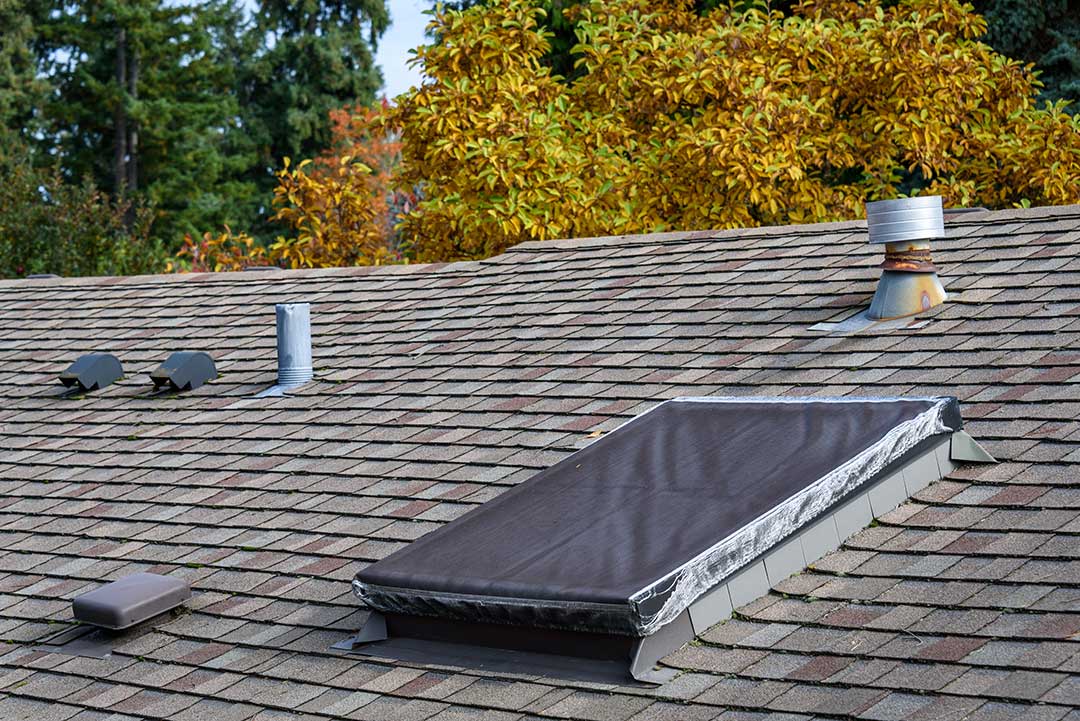
How do winter conditions affect roof longevity?
Snow itself is not usually the only concern. Repeated melting and refreezing can create ice dams along colder roof edges, especially when attic insulation and ventilation are inadequate. Ice dams can force water beneath roofing materials and damage decking, insulation, ceilings, and exterior walls.
Roof shape also matters. Steeper roofs generally shed snow more readily, while low-slope sections, valleys, dormers, and roof-to-wall intersections may hold water or snow longer. Metal panels can release snow suddenly, so snow guards may be appropriate above doors, walkways, or lower roof sections.
Durable roofing requires more than a strong surface. It also requires properly designed drainage, leak-resistant flashing, adequate ventilation, and an underlayment suited to the roof assembly.
Does roof maintenance matter more than material?
A durable material can still fail early if water is allowed to enter around flashing, gutters, valleys, chimneys, or penetrations. Maintenance cannot correct every design problem, but it can help identify small issues before they become structural damage.
Useful seasonal observations include:
- Missing, cracked, curled, or loose roofing pieces
- Rust, lifted seams, or loose fasteners on metal roofing
- Broken or displaced tiles
- Sagging roof lines or soft areas
- Granules collecting heavily in gutters
- Water stains on ceilings or attic surfaces
- Moss or organic growth holding moisture against the roof
- Gutters and downspouts that overflow during rain
Branches that rub against a roof can wear away protective surfaces. Leaves and debris can also hold moisture in valleys and behind roof features. Snow and ice should not be removed with tools or methods that damage the roofing surface.
What should be checked before choosing a long-life roof?
The existing structure should be evaluated before selecting a heavy material such as slate, clay tile, or concrete tile. Roof pitch, framing capacity, decking condition, ventilation, drainage, and flashing design all affect the result.
New York’s residential code includes requirements for roof coverings, underlayment, flashing, installation methods, and material standards. Requirements can vary depending on the roof design, the extent of the work, and whether the project involves a new structure or replacement of an existing roof. Permit and inspection questions should be confirmed with the appropriate local building authority before work begins.
The most durable choice is therefore the material that fits the building. A lightweight metal system may be more suitable than natural slate for one house, while a well-installed architectural shingle roof may be the sensible choice for another.
Longevity is also affected by future repair needs. A roof that lasts 50 years but has difficult-to-source replacement pieces may be less practical than a roof with a shorter expected life and readily available components. The best decision weighs service life, structural compatibility, weather exposure, maintenance, and the condition of the entire roof assembly.
