
What does preventive roof maintenance actually mean?
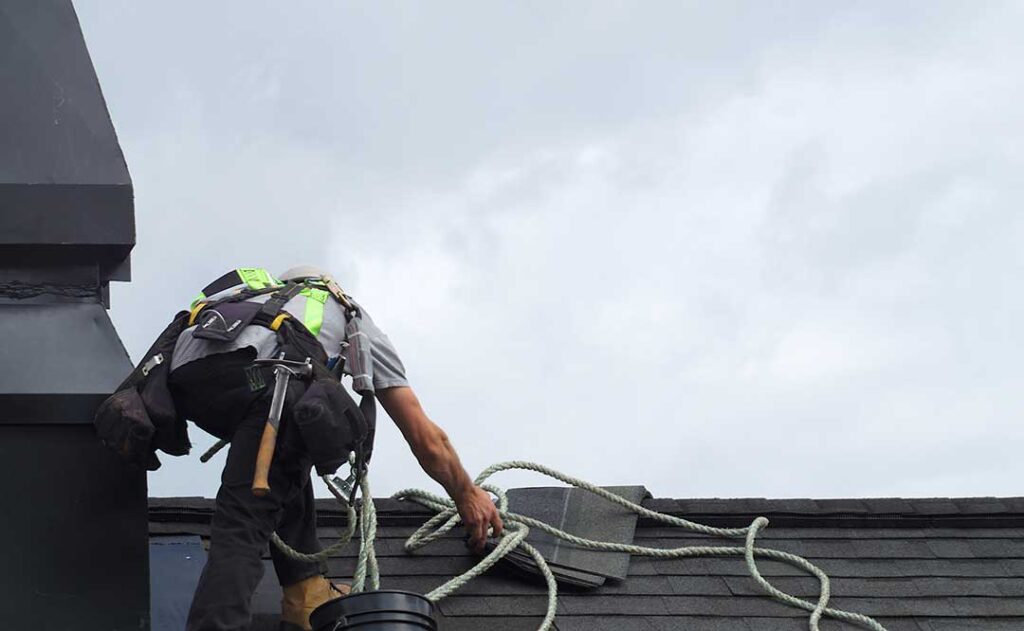
Preventive roof maintenance is the regular inspection and care that helps a roof remain watertight, structurally sound, and properly ventilated before serious damage develops. It includes identifying small defects, removing conditions that trap moisture, and correcting drainage or flashing problems while repairs are still limited.
For homeowners in Greene, NY, this approach is especially useful because roofs face repeated seasonal changes. Snow, ice, freezing temperatures, spring rain, summer storms, falling leaves, and strong temperature swings can all affect roofing materials over time. A roof may appear fine from the ground while developing problems around vents, chimneys, valleys, skylights, or roof edges.
Maintenance is not the same as replacing a roof on a fixed schedule. A well-maintained roof may last longer, while a neglected roof can develop costly damage well before its expected service life.
Why does preventive maintenance have long-term value?
The main financial benefit is that maintenance can address minor defects before they affect larger areas of the roof or the interior of the home. A loose flashing edge, lifted shingle, blocked drainage path, or small opening around a roof penetration may be relatively simple to correct. If ignored, the same issue can allow water to reach sheathing, insulation, ceilings, wall cavities, or framing.
Long-term value comes from controlling the size and complexity of repairs. Preventive care may help reduce:
- Water damage to ceilings, walls, and insulation
- Rot in roof decking or structural framing
- Mold growth caused by persistent moisture
- Damage to gutters, fascia, and soffits
- Emergency repairs during severe weather
- Premature roof replacement
- Reduced energy efficiency caused by wet insulation or poor ventilation
The savings are not guaranteed in every situation. Age, installation quality, material type, storm exposure, and previous repairs all affect roof performance. However, identifying problems early generally gives a homeowner more choices and better control over repair decisions.
Which roof problems should be found early?
Several conditions deserve attention even when there is no visible leak inside the house.
Damaged or missing shingles can expose underlayment and roof decking to rain, snow, and ultraviolet light. A few isolated failures may be manageable, but repeated shingle loss can indicate broader wear or wind exposure.
Worn flashing around chimneys, vent pipes, wall intersections, and roof valleys is another common concern. Flashing directs water away from vulnerable joints. If it separates, corrodes, cracks, or was installed poorly, water may enter through a location that is difficult to see from the ground.
Clogged gutters and downspouts can cause water to back up along roof edges. During freezing weather, trapped water may contribute to ice formation and repeated wetting of fascia boards and roof components.
Granule loss in gutters or at the base of downspouts may indicate aging shingles. A small amount can occur normally, but heavy or increasing granule accumulation may signal that the protective surface is wearing away.
Sagging areas should not be treated as a cosmetic issue. Sagging can indicate moisture-damaged decking, framing problems, or excessive load. Because roof surfaces can be hazardous, this condition warrants prompt evaluation rather than a do-it-yourself inspection.
How often should a roof be checked?
A practical schedule is to look over the roof and drainage system at least twice a year, commonly in spring and fall, and again after major wind, hail, or heavy snow events. The goal is not to climb onto the roof repeatedly. Many useful observations can be made from the ground, attic, upper windows, or accessible gutter areas.
A maintenance check may include:
- Looking for missing, curled, cracked, or visibly shifted shingles
- Checking whether gutters are sagging or pulling away from the roof edge
- Confirming that downspouts discharge water away from the foundation
- Looking for dark stains, damp insulation, or daylight in the attic
- Inspecting ceilings and upper walls for new discoloration
- Checking metal flashing for gaps, rust, or separation
- Trimming branches that rub against the roof or drop heavy debris
- Noting unusual granules, shingle fragments, or standing water
A roof does not need to be cleaned aggressively to be maintained. Pressure washing can damage shingles and remove protective granules. Moss, algae, and debris should be handled with methods appropriate for the roofing material.
How do Greene’s seasons affect roof performance?
Cold-weather cycles can be hard on roofing systems. Moisture enters small openings, freezes, expands, and then contracts as temperatures rise. Repetition can enlarge cracks or loosen materials. Snow and ice also increase the load on the roof, particularly when accumulation is uneven or drainage is restricted.
Spring reveals many problems that developed during winter. Loose shingles, damaged flashing, clogged gutters, and leaks around roof penetrations may become more noticeable during extended rainfall.
Summer creates a different set of stresses. Strong sunlight, heat, humidity, and thunderstorms can accelerate surface aging or expose weaknesses left by earlier weather. Tree debris can also hold moisture against shingles and block drainage paths.
Fall maintenance is valuable because leaves and small branches can collect in gutters, valleys, and roof corners before winter weather arrives. Keeping water moving through the drainage system helps limit overflow and repeated wetting along roof edges.
Does attic ventilation affect roof life?
Yes. Proper attic ventilation and insulation help manage heat and moisture, both of which influence roof performance. Excess heat can contribute to premature aging of some roofing materials, while trapped moisture can damage insulation, wood framing, and roof decking.
Warning signs of attic moisture include:
- Damp or compressed insulation
- Frost or water droplets on roof framing during cold weather
- Musty odors
- Peeling paint or stains on upper ceilings
- Rusted fasteners or metal components
- Mold-like discoloration on wood surfaces
Ventilation problems are not solved simply by adding more vents. Intake and exhaust openings need to work together, and ventilation should not allow rain or snow to enter. Air sealing, insulation depth, and bathroom or kitchen exhaust routing also matter.
Can maintenance prevent every roof leak?
No. Preventive care reduces risk but cannot eliminate it. Roofs can still leak after wind damage, falling branches, severe storms, installation defects, or failures in older materials. Some leaks also travel along framing before appearing far from the original entry point.
A new interior stain should not be ignored even if it dries out. Moisture can remain hidden above a ceiling or inside insulation. Similarly, applying sealant over a visible symptom may provide only temporary relief if the underlying flashing or drainage issue remains.
What should homeowners avoid?
Several common habits can shorten roof life:
- Walking on shingles unnecessarily
- Using pressure washers or harsh cleaning chemicals
- Ignoring small ceiling stains
- Allowing branches to scrape the roof
- Leaving gutters filled through the winter
- Piling snow onto roof edges without understanding the risks
- Assuming a newer roof needs no inspection
- Covering damaged areas without addressing trapped moisture
Roof work becomes hazardous in wet, icy, windy, or steep conditions. Homeowners should avoid climbing when conditions are unsafe. Suspected structural damage, active interior leaking, exposed electrical components, or significant storm damage may require qualified evaluation for safety reasons.
How does maintenance support better replacement decisions?
Routine observations create a useful history of how a roof is aging. Notes about leaks, repairs, shingle condition, attic moisture, and storm damage can help distinguish an isolated problem from widespread deterioration.
This information also helps homeowners plan rather than react. A roof showing gradual aging can be evaluated while weather is favorable, household budgets are clearer, and interior damage has not yet developed. Preventive maintenance does not guarantee that replacement can be postponed indefinitely, but it can help ensure that the decision is based on the roof’s actual condition rather than an emergency leak.
For area households, the lasting value of roof care is measured not only in avoided repair bills. It also includes a drier attic, better protection for the building envelope, more predictable upkeep, and fewer surprises during the seasons when a roof is under its greatest stress.
