
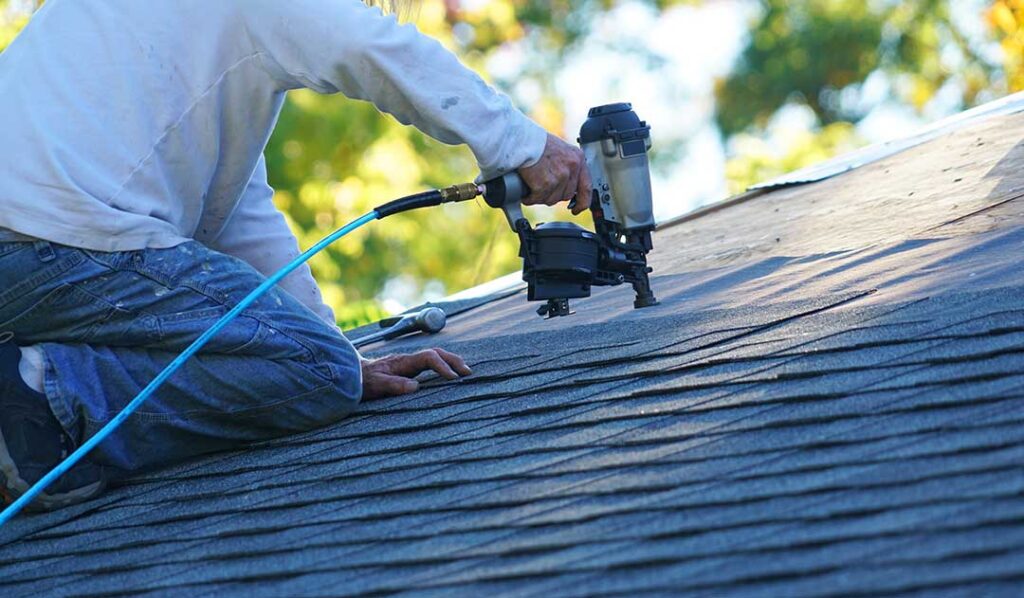
A professional roof inspection is a systematic review of the roof covering, underlying structure, drainage, ventilation, and areas inside the building that may show signs of moisture. For homeowners in Greene, NY, the process is especially useful after winter weather, heavy rain, wind events, or when a roof is several years old.
An inspection is not automatically the same as a repair estimate. Its purpose is to document the roof’s condition, identify active or developing problems, and explain which findings require immediate attention, routine maintenance, or continued monitoring.
What happens before the roof is examined?
The inspection usually begins with questions about the property and any concerns noticed by the occupants. This background helps focus the review on possible problem areas.
Information that may be discussed includes:
- The approximate age of the roof
- Past repairs, leaks, or storm damage
- Stains on ceilings or walls
- Missing or damaged shingles
- Ice buildup or repeated winter problems
- Changes in heating or cooling costs
- Attic moisture, odors, or visible daylight
- Recent remodeling, solar installation, chimney work, or ventilation changes
The inspector may also ask when a leak appears. Water does not always enter directly above an interior stain. It can travel along roof decking, rafters, insulation, or framing before becoming visible indoors.
A brief review of the property’s exterior is also common. Nearby trees, overhanging branches, attached additions, dormers, chimneys, skylights, and roof sections with different ages can affect how the inspection is performed.
Does the inspector walk on the roof?
Sometimes, but not always. A roof may be examined by walking on it, using a ladder, viewing it from the ground, or observing it from an attic or elevated location. The method depends on the roof’s slope, surface condition, height, weather, accessibility, and safety risks.
A roof that is wet, icy, fragile, steep, or covered with loose material may not be safe to walk on. In those circumstances, a careful inspector should rely on safer observation methods rather than creating additional damage or risking a fall.
A professional inspection should never require unsafe access simply to produce a more impressive-looking report. Photographs taken from safe positions can still document many important conditions.
What is checked on the outside?
The exterior review focuses on the roof system as a whole, not just the shingles or other visible covering.
Common inspection points include:
Roof covering
The inspector looks for cracked, curled, blistered, loose, slipped, or missing materials. Granule loss, exposed fasteners, rust, splitting, and unusual wear may also be recorded.
Different roof materials age in different ways. Asphalt shingles may lose protective granules, while metal roofing may show corrosion, loose seams, or movement around fasteners. Older slate or wood roofing requires attention to individual units, attachment methods, and surrounding flashing.
Flashing and penetrations
Flashing directs water away from joints and openings. It is commonly found around chimneys, plumbing vents, skylights, wall intersections, dormers, and roof edges.
Inspectors look for gaps, lifting, rust, failed sealants, improper overlaps, and areas where water could collect. A roof covering can appear to be in reasonable condition while a flashing problem causes a persistent leak.
Valleys and drainage paths
Roof valleys carry concentrated water. They deserve close attention because leaves, ice, snow, and debris can collect there.
The inspection may also include gutters, downspouts, roof drains, scuppers, and the edges of the roof. Poor drainage can contribute to staining, rot, ice formation, and water entering behind exterior trim.
Edges and exposed components
Rake edges, eaves, drip edges, fascia, soffits, and areas around vents can reveal whether water is being directed away from the structure properly. Wind damage often becomes visible at exposed edges before it is obvious across the main roof surface.
Why is the attic inspection important?
The attic can reveal problems that are difficult to see from above. If safe access is available, the inspector may look at the underside of the roof deck, insulation, ventilation openings, framing, and areas near penetrations.
Signs of concern can include:
- Dark staining or water marks
- Damp insulation
- Mold-like growth caused by persistent moisture
- Rusted nails or metal components
- Rotting or softened wood
- Condensation
- Compressed or missing insulation
- Blocked soffit vents
- Daylight visible through unintended openings
Not every attic stain indicates an active leak. Some marks come from an older problem that has already stopped. Conversely, a dry roof surface does not rule out a leak that occurs only during wind-driven rain, melting snow, or heavy storms.
Are the ceilings and interior rooms inspected?
Usually, yes. Interior observations help connect exterior conditions with the effects inside the building.
The inspector may examine ceilings, upper-floor walls, closets, skylight areas, chimney surrounds, and rooms below valleys or roof penetrations. Peeling paint, bubbling drywall, discoloration, musty odors, and localized dampness can provide useful clues.
Moisture meters or other instruments may sometimes be used, but readings need to be interpreted carefully. A high reading can result from a current leak, trapped humidity, plumbing, or condensation. Testing supports visual observations; it does not replace them.
How does Greene’s seasonal weather affect an inspection?
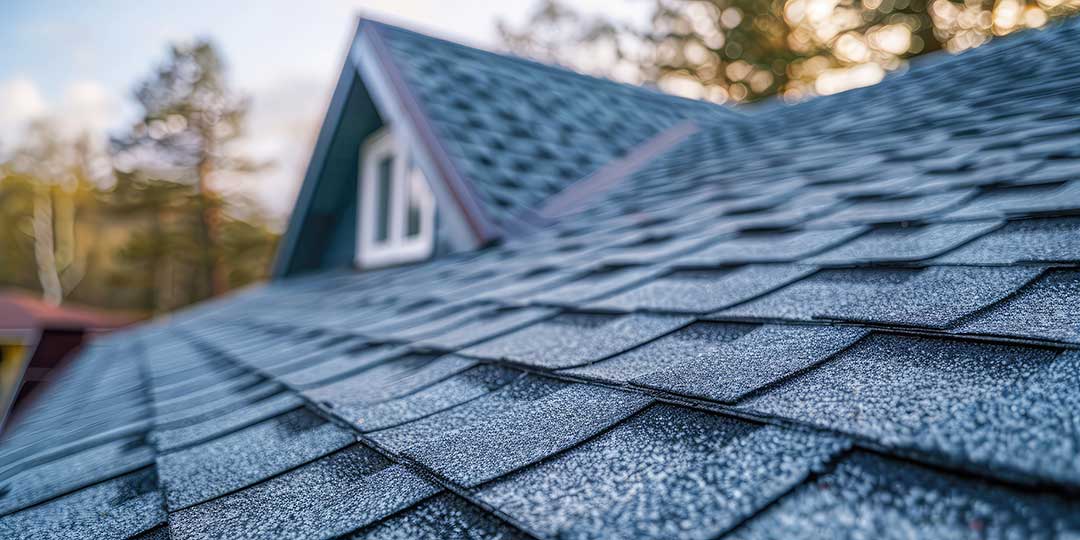
The local roof system must handle cold winters, repeated freeze-thaw cycles, rain, wind, and snow that can occur from fall into spring. Greene County climate records show that the region commonly receives significant winter snowfall, while rain occurs throughout the year.
These conditions make certain inspection details particularly relevant:
- Shingles or flashing loosened by wind
- Ice-related damage along eaves
- Water entering during snowmelt
- Cracks caused or enlarged by repeated freezing and thawing
- Blocked gutters and downspouts
- Condensation caused by inadequate attic ventilation
- Branch damage after storms
- Moss or organic debris holding moisture against roofing materials
Snow on a roof can limit what can be seen. An inspection performed during winter may document accessible areas and recommend a follow-up review after snow and ice have cleared.
What should the inspection report contain?
A useful report should explain findings in plain language and distinguish between observed facts and possible causes. It commonly includes photographs, descriptions of roof materials, approximate age or remaining service considerations, and notes about areas that could not be accessed.
The report may classify conditions as:
- Immediate concern: Active leaking, exposed structural damage, major openings, or hazards requiring prompt attention
- Maintenance issue: Debris, minor sealant failure, blocked drainage, or localized deterioration
- Monitor: Aging or weathered materials that are not currently failing
- Not observed: Areas hidden by snow, unsafe access, interior finishes, or limited visibility
A report should not promise an exact remaining lifespan. Weather exposure, installation quality, ventilation, maintenance, and previous repairs all affect how long a roof continues to perform.
What should a homeowner ask after the inspection?
Useful questions focus on evidence and priority:
- Which findings are active problems?
- Is there evidence of current moisture?
- What areas could not be inspected?
- Does the issue affect the roof covering, flashing, drainage, ventilation, or structure?
- What should be addressed first?
- Which conditions can be monitored?
- Are temporary measures needed before the next storm?
- Would a building-code or permit question need to be checked before repair work?
Roofing work in Greene may also involve local permit requirements, especially for replacement or recovering an existing roof. An inspection can identify a likely problem, but permit and code questions should be verified with the applicable local code office before construction begins.
A thorough inspection should leave the homeowner with a clearer understanding of the roof’s current condition, the evidence supporting each finding, and the difference between urgent repair needs and ordinary aging.
