

Roof maintenance follows the seasons. In Greene, NY, changing temperatures, snow, wind, rain, ice, and falling leaves can gradually affect shingles, flashing, gutters, and attic ventilation. A seasonal inspection does not require climbing onto the roof; many useful checks can be completed from the ground, attic, or upper windows.
What should be checked in early spring?
Spring is the right time to look for damage caused by winter weather. Snow loads, ice movement, freeze-thaw cycles, and winter winds can expose small problems that may worsen during spring rain.
Start with a ground-level inspection. Look for:
- Shingles that are missing, lifted, cracked, curled, or visibly displaced
- Dark patches or irregular areas that may indicate worn or damaged roofing material
- Metal flashing that appears bent or separated around chimneys, vents, skylights, and roof edges
- Gutter sections that are pulling away from the house
- Granules collecting beneath downspouts or in gutters
- Damaged soffits, fascia, or roof-edge trim
Inspect the attic on a dry day. Water stains, damp insulation, musty odors, or darkened wood around roof penetrations can indicate a leak. A roof leak may not appear directly above an interior ceiling stain because water can travel along rafters or roof decking before entering the living space.
Spring is also a useful time to check attic ventilation. Excess moisture, mold-like growth, rusted fasteners, or frost residue on the underside of the roof deck may point to poor ventilation or air leakage from the living space. Bathroom and kitchen exhaust fans should discharge outdoors rather than into the attic.
How should gutters and downspouts be handled after winter?
Gutters and downspouts should be cleared of leaves, shingle granules, twigs, and compacted debris. A blocked gutter can overflow against fascia boards, siding, windows, or the foundation.
Check that downspouts discharge water far enough away from the foundation to prevent pooling. Extensions should remain connected and should not direct water onto walkways, driveways, or neighboring areas where it can create an ice or erosion hazard.
Look for gutter sagging. Water remaining in a gutter after rain may indicate an obstruction, inadequate slope, or a section that has pulled loose. Do not lean a ladder against a gutter because the gutter may not support the weight and could be damaged.
What is the summer roof maintenance checklist?
Summer inspections focus on heat, severe thunderstorms, tree growth, and ventilation. Warm weather makes it easier to observe roof surfaces and exterior details, but extreme heat can make roof materials and attic spaces unsafe to access.
After strong winds or thunderstorms, inspect the property from the ground for:
- Shingles or roofing fragments in the yard
- Fallen branches resting on the roof
- Exposed underlayment or roof decking
- Bent vents, flashing, or metal edging
- New water stains on ceilings or upper walls
Tree limbs should not scrape against the roof or hang heavily over the roof surface. Branches can abrade shingles, drop debris into valleys, and provide a path for animals. Any cutting near utility lines, steep slopes, or elevated roof areas presents a safety concern.
Summer is also a good time to examine attic temperatures and moisture. An attic that becomes excessively hot may have insufficient intake or exhaust ventilation, blocked soffit vents, or air leaks around light fixtures, plumbing penetrations, and attic access panels. Ventilation should not be used to conceal a moisture problem caused by a bathroom fan, dryer, or plumbing leak.
What should homeowners inspect in the fall?
Fall preparation is especially useful before leaves, freezing temperatures, and snow arrive. Remove leaves and small branches from roof valleys, gutters, and areas behind roof vents. Valleys carry a large volume of water, so debris left there can slow drainage and hide damaged shingles.
Before cleaning, inspect gutters for loose fasteners, separated joints, corrosion, and cracks. Confirm that gutter guards, if present, are not packed with wet leaves. A guard can reduce debris but does not eliminate the need for inspection.
Check seals and flashing around roof penetrations. Areas around plumbing vent pipes, chimneys, skylights, and mechanical vents commonly develop problems because different materials expand and contract at different rates. Deteriorated sealant should not be covered casually with a new layer; the underlying joint may need to be cleaned and examined first.
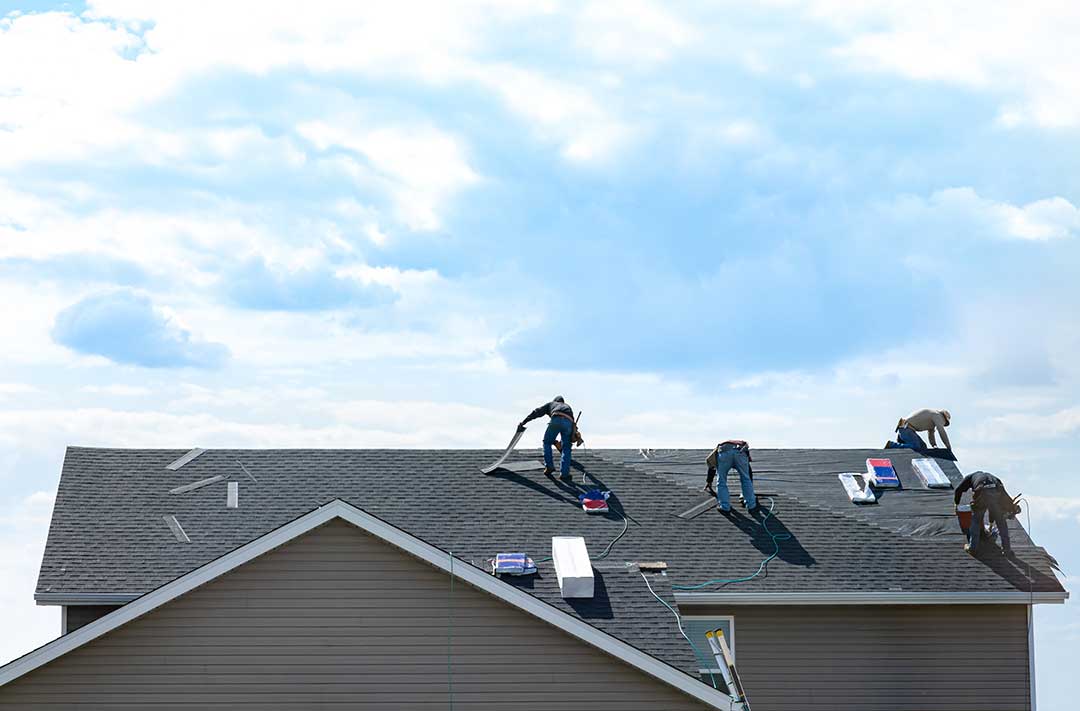
Keep the roof surface free of unnecessary foot traffic. Walking on shingles can loosen granules or crack brittle materials, especially on older roofs. Cleaning from a secure ladder position or from the ground is safer than stepping onto a steep or wet roof.
How can a roof be prepared for winter?
Winter preparation involves drainage, attic conditions, and safe snow management. Before the first significant snowfall, confirm that gutters and downspouts are clear and securely attached. Water that cannot drain may freeze and place additional stress on the gutter system.
Inspect the attic for air leaks and moisture. Warm indoor air entering a cold attic can condense on the underside of the roof deck and contribute to damp insulation, wood deterioration, or frost buildup. Weatherstripping around the attic hatch and sealing visible gaps around pipes and wiring can help, but electrical and combustion-related areas require appropriate caution.
Do not assume that heavy snow automatically means the roof needs to be shoveled. Roof snow removal can damage shingles, flashing, and gutters, and working from a ladder or roof creates a serious fall hazard. If snow appears to be causing structural stress, such as sagging roof lines, cracking sounds, jammed doors, or unusual movement, occupants should avoid the affected area and seek qualified help for safe evaluation.
Ice dams are another winter concern. They form when heat escapes into the attic, melts snow on warmer roof sections, and allows water to refreeze near colder eaves. Ice dams are not solved reliably by breaking ice with a tool. The underlying causes may include inadequate insulation, air leakage, or ventilation problems.
Which roof problems require prompt attention?
Some conditions should not wait for the next seasonal inspection. Prompt evaluation is appropriate when there is active dripping, a ceiling bulge, exposed electrical wiring near water, major storm damage, a large fallen branch, or visible roof decking.
A small stain may represent an older leak, but it should still be monitored and investigated. Placing a container beneath a drip can limit interior damage temporarily, but it does not repair the roof or reveal how far water has traveled.
Roof work becomes more hazardous during rain, wind, snow, ice, and extreme heat. Ground-level inspection is usually the safest routine approach. Anyone who cannot safely access an area should not climb onto the roof simply to complete a checklist.
How often should a roof be inspected?
A practical schedule is a visual inspection in spring and fall, plus additional checks after major wind, hail, or heavy snow events. Gutters may need attention more often if the property has mature trees or receives substantial leaf and branch debris.
Keep brief records of inspection dates, photographs, visible changes, and completed maintenance. Comparing the same roof areas over time can help distinguish normal aging from sudden damage and can make it easier to identify when a minor concern first appeared.
