
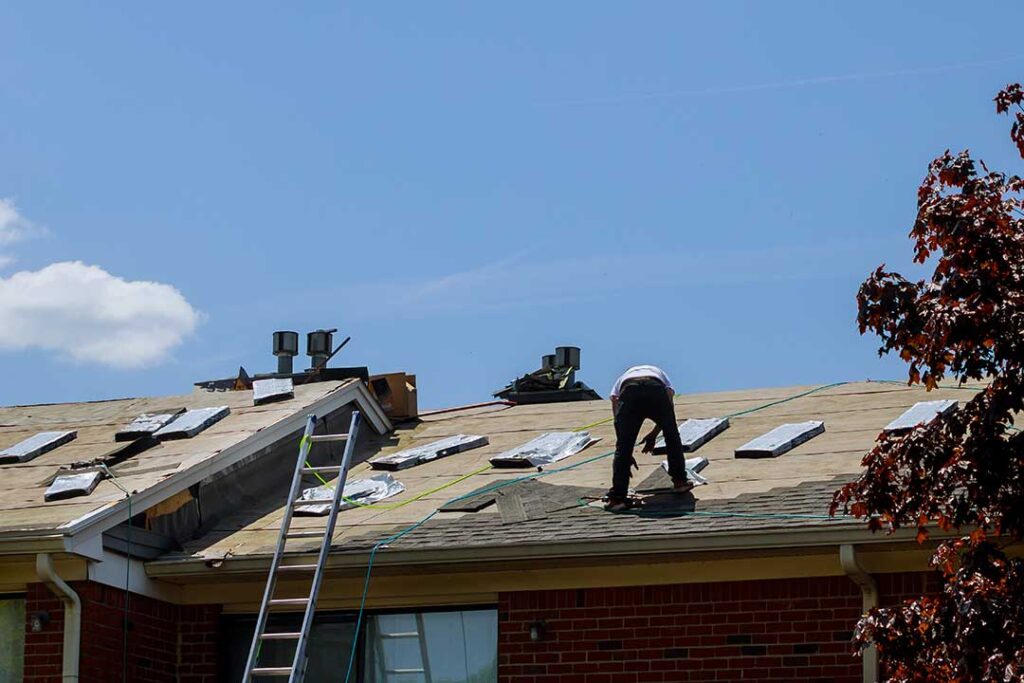
What should be documented before cleaning up roof damage?
Photographs, video, written notes, and receipts create the clearest record for an insurance claim. Document the condition of the roof, attic, ceilings, walls, insulation, flooring, and personal belongings before removing debris or beginning repairs, provided it is safe to do so.
After a windstorm, hail event, heavy snowfall, ice buildup, or falling-tree incident, start with a quick safety check. Do not climb onto a wet, icy, steep, or visibly unstable roof. Stay away from sagging ceilings, exposed wiring, broken rafters, and areas where water may have reached electrical fixtures.
From the ground, photograph:
- The entire roof from each accessible side
- Missing, lifted, cracked, or displaced shingles
- Damaged flashing around chimneys, vents, skylights, and roof edges
- Fallen branches, trees, or other objects
- Gutters, downspouts, siding, windows, and exterior trim
- Visible holes, dents, punctures, or darkened areas
Take both wide photographs and close-ups. Wide images show where the damage is located; close-ups show the condition of the material. Include an undamaged area in some photographs for comparison.
How can photographs make an insurance claim stronger?
Photos are most useful when they show location, scale, and sequence. A single close-up of a torn shingle may not establish whether the damage affects one small area or an entire roof slope.
Use a consistent approach:
1. Photograph the property before moving damaged materials.
2. Take exterior images from several angles.
3. Photograph each affected room from the doorway.
4. Take close-ups of water stains, peeling paint, wet insulation, damaged drywall, and damaged belongings.
5. Place a ruler or familiar object near small damage when it is safe and practical.
6. Record the date and approximate time of the photographs.
7. Keep the original files rather than relying only on edited or compressed copies.
A short video can help show active leaking, water collecting in a room, loose materials, or the path of water from the roof into the interior. Narrate what is visible, including the room, location, and apparent condition. Avoid guessing about the cause if the cause has not been confirmed.
For residents in Greene, winter conditions can complicate documentation. Snow and ice may conceal shingles, flashing, or roof edges. Record what is visible from the ground and document interior leakage while waiting for conditions to improve. Do not remove snow or ice from the roof unless the work can be done safely.
What written information should accompany the photos?
Create a dated damage log. Write down what happened, what was observed, and what actions were taken. Useful details include:
- The date and approximate time severe weather occurred
- Weather conditions noticed at the property
- When a leak or other damage was first discovered
- Each affected room or building area
- Whether water was actively entering the home
- Items moved, covered, discarded, or damaged
- Emergency steps taken to prevent additional loss
- Names, dates, and times of conversations with the insurer
- Claim numbers, adjuster information, and submission dates
Use specific descriptions rather than conclusions. “Water stain measuring approximately three feet across on the upstairs bedroom ceiling” is more useful than “major ceiling damage.” If several areas are affected, label photographs and match them to the written log.
Keep copies of every form, email, text message, estimate, receipt, photograph, and video submitted to the insurance company.
Should damaged belongings be photographed or thrown away?
Photograph damaged belongings before moving or discarding them. Make an inventory that identifies the item, approximate age, condition before the loss, purchase price if known, and likely replacement cost.
Include items such as:
- Furniture and mattresses
- Clothing, shoes, and linens
- Electronics and appliances
- Tools and recreational equipment
- Books, collectibles, and household goods
- Building materials stored in an attic, garage, or shed
Receipts are helpful but may not be available for older possessions. Bank or credit-card records, warranty documents, manuals, photographs taken before the loss, and online product records may help establish ownership and value.
Do not discard damaged property immediately unless it presents a health or safety hazard or the insurer gives permission. If something must be discarded, photograph it from several angles, record why it was unsafe to keep, and save a small sample when practical.
What temporary repairs are appropriate?
Homeowners generally have a responsibility to take reasonable steps to prevent further damage. Temporary measures may include placing containers under leaks, moving furniture, covering openings from the inside, or arranging for a temporary tarp when conditions permit.
Keep receipts for emergency materials, water removal, temporary boarding, and other necessary expenses. Photograph the temporary condition before and after the work.
Temporary protection is different from permanent repair. Avoid replacing large roof sections, removing extensive materials, or completing cosmetic repairs before the insurer has had a reasonable opportunity to inspect the loss, unless immediate work is necessary for safety or to prevent worsening damage. Ask the insurer what documentation is required before proceeding.
A temporary covering does not prove that the entire roof needs replacement. The claim record should distinguish between emergency protection and permanent restoration.
What should be checked in the insurance policy?
Review the declarations page and the sections addressing dwelling coverage, other structures, personal property, additional living expenses, exclusions, and deductibles. The policy controls what is covered, not the appearance of the damage alone.
Roof damage may be affected by:
- The cause of loss, such as wind, hail, falling objects, or water
- Wear, deterioration, poor maintenance, or previous damage
- The age and condition of the roof
- Actual cash value versus replacement-cost coverage
- A standard, windstorm, or hurricane deductible
- Separate limits for certain belongings
- Exclusions involving flood, seepage, or surface water
Standard homeowners insurance generally does not cover flood damage, which is usually insured under a separate flood policy. Water entering through a storm-damaged opening may be treated differently from water rising or entering through flooding. Ask the insurer to explain how the policy applies to the specific event.
When should the claim be reported?
Report suspected covered damage as soon as reasonably possible, even if the full extent is not yet known. A roof leak may not reveal all related damage until wet insulation, wall cavities, or flooring are examined.
Before filing, check the deductible and policy requirements, but do not delay unnecessarily while waiting for a complete repair estimate. Provide the basic facts first, then submit additional photographs, inventories, receipts, and estimates as they become available.
During the claim process, keep communication organized. After a phone call or inspection, write a brief summary of what was discussed and retain it with the claim file. If part of a claim is denied, request the explanation in writing and compare it with the policy language.
What if the roof damage is not obvious?
Some storm damage is visible immediately; other damage appears later. Look for new ceiling stains, damp insulation, musty odors, peeling paint, warped trim, attic moisture, or daylight visible through the roof deck. Check after the next rainfall, but do not enter an unsafe attic.
A pre-loss record can be especially valuable. Periodic exterior photographs, maintenance invoices, prior inspection reports, and records of roof repairs can help show the roof’s condition before the event. This is useful in a region where roofs may experience repeated cycles of snow, ice, wind, and freeze-thaw conditions.
Documentation cannot guarantee coverage or a particular settlement. It does, however, give the insurer a clearer record of what happened, what was damaged, and what was done to protect the property.
