
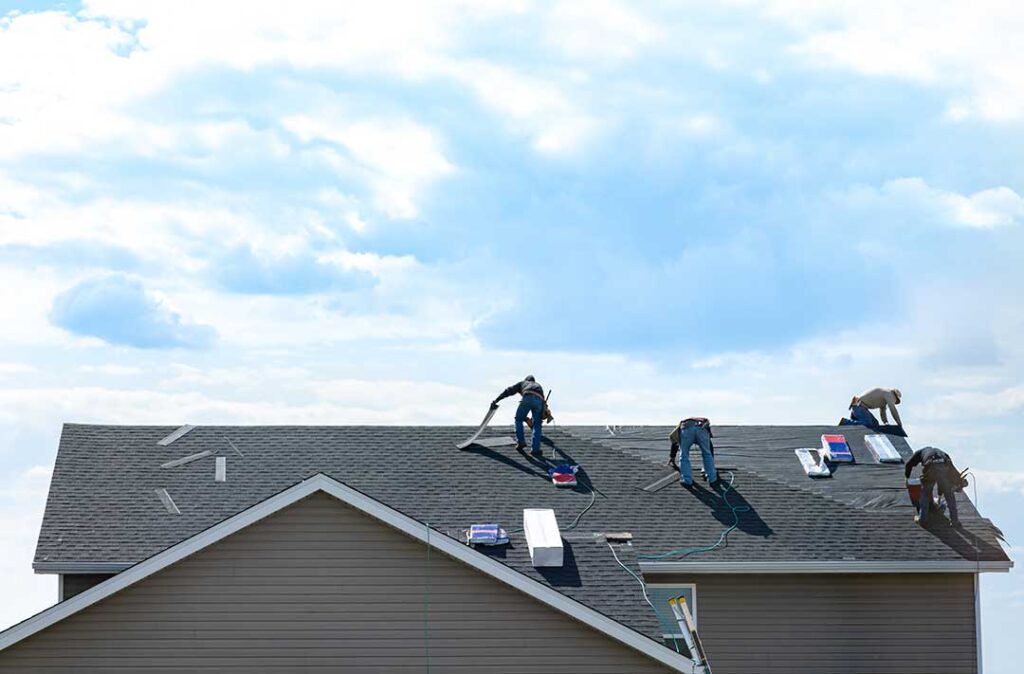
Roof damage rarely stays limited to the spot where it first appears. A loose shingle, small leak, or failing flashing detail can allow water, wind, and seasonal temperature changes to affect the roof deck, insulation, ceilings, walls, and sometimes the structure of a home.
For households in Greene, NY, delaying repairs can be especially risky because roofs must handle snow, ice, wind-driven rain, freeze-thaw cycles, and long periods of moisture. The visible problem may look minor, but the damage behind it can continue even when no water is dripping indoors.
What happens when a small roof leak is ignored?
A neglected leak can spread through materials that are not immediately visible. Water may travel along roof framing, insulation, electrical pathways, or the underside of the roof deck before reaching a ceiling or wall.
This means the location of an interior stain does not always identify the original roof problem. A mark near a ceiling corner, for example, may be caused by damaged flashing higher up the roof or by water entering around a vent, chimney, valley, or roof edge.
Over time, moisture can cause:
- Dark ceiling or wall stains
- Peeling paint or bubbling drywall
- Damp insulation
- Soft or discolored roof decking
- Musty odors
- Mold growth where moisture remains trapped
- Deterioration around windows, walls, or attic areas
A leak that appears only during heavy rain may still be causing damage between storms. Roofing materials can dry on the surface while water remains inside insulation, wood, or wall cavities.
Why are roof repairs more urgent before winter?
Roof defects can become harder to manage once snow, ice, and freezing temperatures arrive. Water that enters a small opening may freeze and expand, enlarging gaps around shingles, flashing, fasteners, or roof edges.
Snow also adds weight to the roof system. A sound roof is designed to carry expected seasonal loads, but damaged decking, weakened framing, or long-term moisture exposure can reduce the condition of the overall assembly.
Ice buildup near roof edges can create another problem. If heat escapes unevenly through the attic, snow may melt and refreeze near colder eaves. The resulting ice can interfere with drainage and allow water to move beneath roofing materials.
Not every ice formation causes a leak, and ice-related problems can have several causes. However, existing roof damage gives winter weather more opportunities to enter the home.
Can missing or damaged shingles cause serious damage?
Yes. A missing shingle exposes underlayment and roof decking to rain, wind, ultraviolet exposure, and temperature changes. Damaged shingles may also allow water to reach fasteners or seams that were designed to remain covered.
A few damaged shingles do not automatically mean the entire roof must be replaced. The appropriate response depends on the roof’s age, the extent of damage, the condition of surrounding materials, and whether water has reached the underlying layers.
Waiting too long can make a limited repair more complicated. Wind may loosen nearby shingles, repeated wetting may weaken the deck, and matching older roofing materials may become more difficult.
Which roof areas are commonly overlooked?
The broad field of shingles receives the most attention, but many leaks begin at transitions and penetrations. These areas deserve careful inspection after severe weather or whenever interior moisture appears.
Frequently overlooked locations include:
- Flashing around chimneys and roof-wall intersections
- Valleys where two roof sections meet
- Plumbing vent openings
- Skylight edges
- Dormer connections
- Roof-to-porch transitions
- Eaves, rakes, and fascia boards
- Gutters and downspout outlets
- Areas where branches rub against the roof
A roof can look acceptable from the ground while still having deteriorated flashing or a small opening around a penetration. Safe observation from the yard can identify obvious concerns, but walking on a steep, wet, icy, or damaged roof creates a fall hazard.
How can neglected roof damage affect indoor air quality?
Moisture creates conditions that may support mold and other biological growth, particularly in dark, enclosed areas with limited ventilation. The risk is higher when wet insulation, roof decking, attic sheathing, or wall cavities remain damp for extended periods.
Mold is not always visible. A persistent earthy odor, recurring ceiling discoloration, damp insulation, or unexplained indoor humidity may indicate hidden moisture.
Roof repairs alone may not resolve a moisture problem if affected insulation, drywall, or wood remains wet. The source of the water must be controlled first, followed by appropriate drying and evaluation of damaged materials.
Can roof neglect damage electrical systems?
Water near electrical wiring, fixtures, outlets, or attic equipment can create safety concerns. Leaks may affect wiring insulation, junction boxes, light fixtures, or other components that were not designed to stay wet.
Warning signs include:
- Flickering lights after rain
- Tripped breakers
- Water near a ceiling fixture
- Discolored electrical components
- Burning odors or unusual heat
- Dampness around attic wiring
Water near electricity should not be investigated by touching fixtures or opening electrical components. If a leak reaches an electrical area, occupants should avoid the wet location and use appropriate emergency assistance when necessary.
Does a ceiling stain always mean the roof needs replacement?
No. A ceiling stain identifies a history of moisture, not the full condition of the roof. The underlying cause could be a localized flashing failure, a damaged shingle, condensation, a plumbing issue, or another source.
Roof replacement may be unnecessary when damage is limited and the rest of the roofing system remains serviceable. On the other hand, repeated repairs across an aging roof may indicate broader deterioration.
The decision should consider:
- The roof’s age and installation history
- The number and location of damaged areas
- The condition of flashing and drainage details
- Whether the roof deck is soft or deteriorated
- Evidence of repeated leaks
- The remaining life of surrounding materials
Interior repairs should not be completed until the moisture source has been addressed. Otherwise, stains may return and concealed damage may continue.
What should residents check after a storm?
After high winds, heavy rain, or significant snowfall, a ground-level inspection can identify warning signs without requiring anyone to climb onto the roof.
Look for:
- Shingles or roofing fragments in the yard
- New dark areas or streaks on the roof
- Sagging roof lines
- Damaged gutters or downspouts
- Exposed underlayment
- Fallen branches or limbs touching the roof
- Water stains in attics, ceilings, or upper walls
- Damp insulation or musty odors
Photographs taken from a safe location can help document changes. Interior areas should also be checked during and after rain, especially beneath valleys, roof penetrations, and ceiling areas that have shown previous staining.
When is roof damage an immediate safety concern?
Urgent attention is warranted when the roof is visibly sagging, a large section is missing, water is entering near electrical equipment, ceilings are bulging, or structural materials appear weakened. Large fallen limbs, major storm damage, and active interior flooding also create risks beyond ordinary maintenance.
People should not climb onto roofs during rain, snow, ice, high winds, or when surfaces are unstable. Roof access can be particularly dangerous in winter, and damaged areas may fail under a person’s weight.
Prompt action does not always mean replacing the entire roof. It means preventing additional water entry, protecting occupants and belongings, and determining whether the problem is limited or part of a larger failure.
Neglected roof repairs often become more expensive because water damage spreads quietly. Regular visual checks, attention to interior warning signs, and timely evaluation after severe weather can help preserve the roof system and prevent a small defect from affecting much more of the home.
