
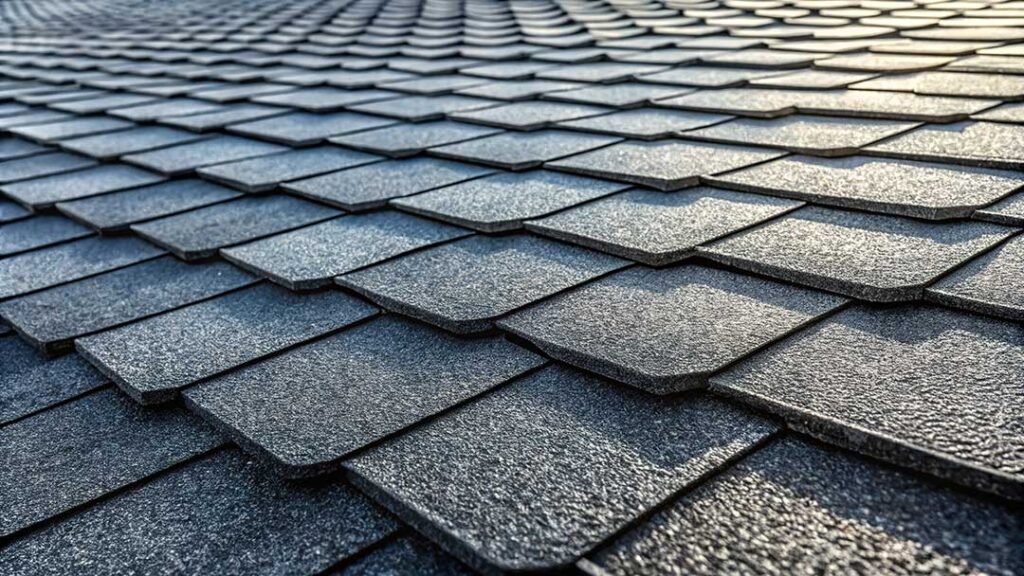
A typical residential roof lasts about 15 to 30 years, but the actual service life depends on the roofing material, installation quality, ventilation, roof design, maintenance, and exposure to weather. In Greene, NY, changing temperatures, snow, ice, wind, and freeze-thaw cycles can affect roofing materials over time.
Age provides a useful starting point, but it should not be the only factor used to judge whether a roof needs repair or replacement.
How long do common roofing materials last?
The expected life of a roof varies considerably by material. Approximate service ranges include:
- Basic asphalt shingles: 15 to 20 years
- Architectural asphalt shingles: 20 to 30 years
- Wood shingles or shakes: 20 to 30 years with regular maintenance
- Metal roofing: 40 to 70 years, depending on the metal, coating, fasteners, and installation
- Natural slate: 50 to 100 years or more when the underlying structure and detailing remain sound
- Clay or concrete tile: 40 to 75 years, although individual tiles and supporting components may need repairs sooner
These are general ranges rather than guarantees. A roof installed in a shaded, damp location may age differently from one exposed to strong sun and wind. A roof with excellent materials can still fail early if water is allowed to enter around flashing, valleys, chimneys, skylights, or roof edges.
Why can roofs in Greene age differently?
Local weather has a direct effect on roofing materials. Winters in this part of New York may bring snow, freezing rain, ice, and rapid changes between freezing and thawing conditions. Those cycles can enlarge small cracks, loosen materials, and place stress on flashing and sealants.
Snow itself is not usually the only concern. The repeated sequence of moisture entering a small opening, freezing, expanding, and thawing can gradually damage roofing components. Ice buildup near eaves can also contribute to water backing up beneath shingles when drainage is restricted.
Summer conditions matter as well. Heat, sunlight, humidity, and storms can weaken asphalt surfaces and cause expansion and contraction in metal components. Trees near a house may add shade and protect materials from direct sun, but overhanging branches can scrape roofing, drop debris, and keep the roof damp after rain.
Does a “30-year roof” really last 30 years?
Not necessarily. A product’s rated life describes expected performance under specified conditions, not a guaranteed expiration date. A roof labeled for 30 years may last longer in a favorable environment or require major work much sooner under difficult conditions.
The rating can also be affected by:
- Poor attic ventilation
- Inadequate roof drainage
- Improper fastening
- Multiple roofing layers
- Frequent storm exposure
- Persistent moss or organic debris
- Ice buildup
- Installation over a damaged or uneven roof deck
A product rating should therefore be considered alongside the roof’s condition, age, and construction history.
What are the clearest signs that a roof is nearing the end of its life?
Some warning signs are visible from the ground, while others become apparent in the attic or upper floors. Common indicators include:
- Shingles that are curling, cracking, blistering, or missing
- Granules collecting in gutters or downspout outlets
- Dark patches or areas where the shingle surface appears worn away
- Sagging along the roofline or between structural supports
- Repeated leaks in the same general area
- Damaged or deteriorated flashing around penetrations
- Daylight visible through the roof deck from inside the attic
- Damp insulation, water stains, or a musty attic odor
- Moss or algae covering large sections of the roof
One isolated damaged shingle does not automatically mean the entire roof has failed. Localized damage may be repairable. Widespread surface loss, repeated leaks, or deterioration across several roof planes usually indicates a broader aging problem.
How does attic ventilation affect roof longevity?
Proper attic ventilation helps control heat and moisture beneath the roof covering. Without adequate airflow, warm moist air can remain trapped in the attic, contributing to condensation, damp insulation, wood deterioration, and premature aging of roofing materials.
Ventilation does not mean simply adding more vents. The system needs a balanced path for air to enter and leave, and it must work with the insulation and air-sealing of the attic. Blocked soffit vents, poorly placed exhaust vents, or gaps around ceiling penetrations can reduce performance.
In winter, attic moisture can condense on cold surfaces and contribute to dampness or frost. In summer, excessive heat can accelerate deterioration of some roofing materials. A roof that appears sound from outside may still have problems underneath if attic conditions are poor.
How often should a roof be checked?
A basic visual check twice a year is reasonable for many homes, particularly in spring and fall. Additional checks are useful after high winds, heavy snow, ice events, or fallen branches.
Ground-level observations can include:
- Missing or displaced shingles
- Debris collecting in valleys
- Loose metal around chimneys or vents
- Sagging gutters or roof edges
- Exposed underlayment or roof decking
- Water stains on exterior walls or ceilings
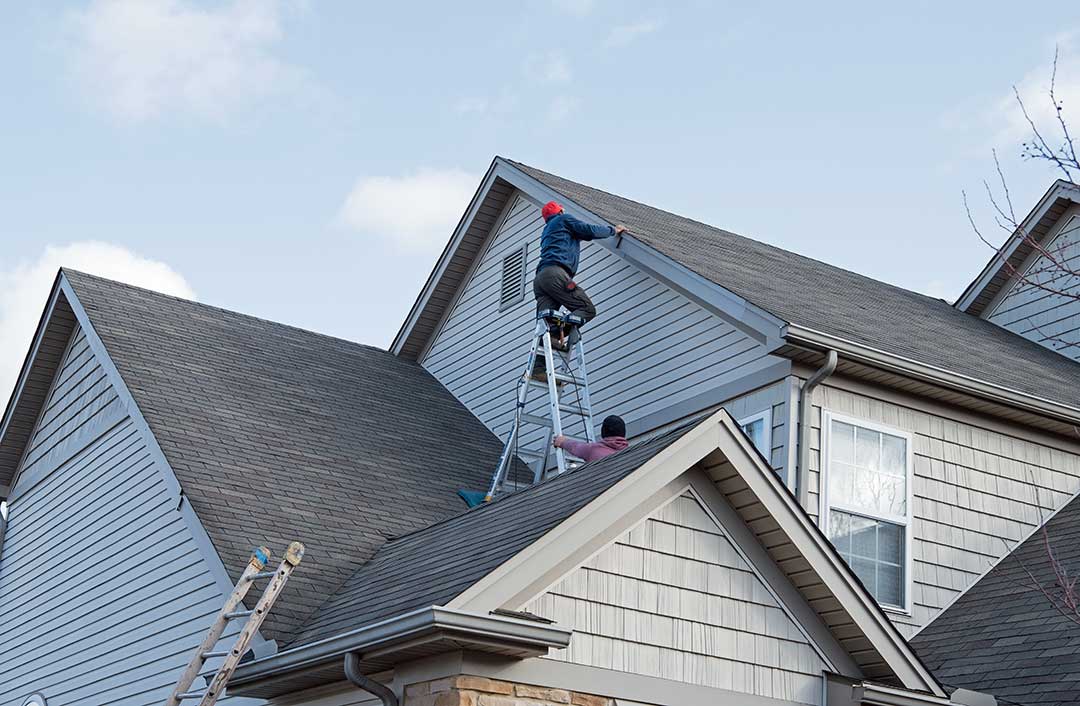
Walking on a roof is not necessary for routine homeowner observation and can cause damage, especially when shingles are brittle, wet, icy, or steeply pitched. Roof edges, skylights, and areas affected by storm damage can also create fall hazards.
Can maintenance extend a roof’s life?
Routine maintenance can help a roof reach its expected service range, but it cannot stop normal aging. Useful measures include keeping gutters and downspouts clear, trimming branches that rub against the roof, removing accumulated leaves, and addressing damaged flashing or shingles before water reaches the roof deck.
Moss should not be scraped aggressively from shingles because the process can remove protective granules. Ice and snow removal also requires caution. Improper tools or excessive force can damage shingles, metal edging, gutters, and flashing.
Interior maintenance matters too. Keeping bathroom and kitchen moisture properly vented, maintaining attic insulation, and watching for condensation can reduce stress on the roof assembly.
When does repair make more sense than replacement?
Repair is often reasonable when damage is limited to a small area and the remaining roof is in good condition. Examples include a few wind-damaged shingles, isolated flashing deterioration, or a localized leak with a clear source.
Replacement becomes more likely when the roof is near the end of its expected life, damage appears across multiple areas, shingles have widespread granule loss, or leaks continue after repairs. The condition of the roof deck and ventilation system should also be considered because replacing the visible covering alone may not solve underlying problems.
For homes with significant sagging, active interior water entry, exposed electrical components, or structural damage, safety should take priority. Those conditions may require prompt evaluation because the problem may involve more than the roof covering itself.
How can a homeowner estimate remaining roof life?
Start with the installation date, if records are available. If the age is unknown, look for permits, home inspection reports, closing documents, or previous repair records. Then compare the roof’s age with its material and current condition.
A 20-year-old architectural shingle roof with strong granule coverage, straight rooflines, sound flashing, and no leak history may have useful life remaining. A 10-year-old roof with poor ventilation, repeated leaks, and widespread shingle loss may need more immediate attention.
The most reliable estimate considers three things together: age, visible condition, and performance during weather. No calendar-based rule can replace that combination.
