
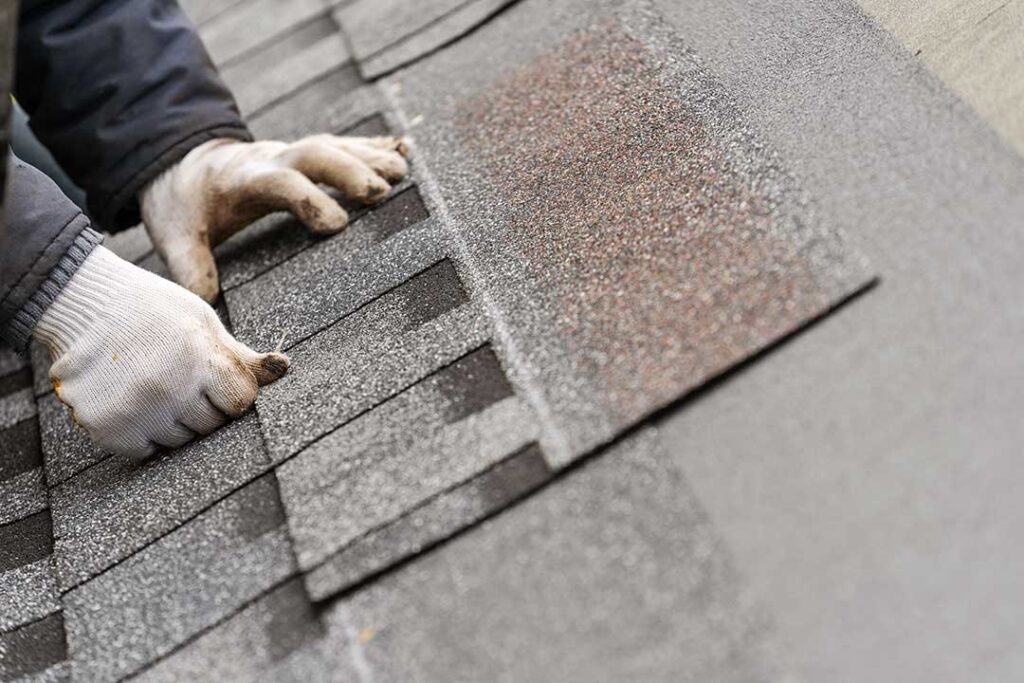
Does a roof need to be replaced just because it is old?
No. Age is useful context, but it does not determine roof condition by itself.
Many asphalt-shingle roofs perform well for 15 to 30 years, depending on installation quality, ventilation, sun exposure, storm history, roof slope, and maintenance. A roof that is 20 years old may still be serviceable, while a newer roof can develop problems after wind damage, poor flashing work, trapped moisture, or improper ventilation.
Signs that deserve attention include:
- Shingles that are cracked, curled, loose, or missing
- Granules collecting in gutters or at downspout outlets
- Dark or damp areas on attic framing
- Water stains on ceilings or upper walls
- Flashing that has separated around chimneys, vents, or wall intersections
- Sagging roof lines or visibly uneven sections
An age estimate should lead to closer inspection, not an automatic replacement decision.
Are roof leaks always easy to find from inside the house?
No. The visible stain is often not directly below the point where water entered.
Water can travel along roof decking, rafters, insulation, or framing before appearing indoors. A ceiling mark near an exterior wall may come from a roof penetration several feet away. Leaks may also appear only during certain wind directions, heavy rain, melting snow, or freeze-thaw conditions.
For that reason, painting over a stain without finding the entry point may hide the symptom while the underlying moisture continues. A small stain should be treated as evidence that water has entered the building assembly, even if the ceiling is no longer wet.
Do gutters cause roof leaks?
Gutters do not usually cause roof leaks by themselves, but poorly maintained or improperly installed gutters can contribute to water problems.
Clogged gutters may overflow against fascia boards, siding, windows, or foundation walls. Gutters that pull away from the roof edge can allow water to reach wood components. In winter, blocked drainage may also contribute to ice buildup along the eaves.
Roof drainage matters especially in a climate with snow, ice, spring rain, and repeated freeze-thaw cycles. Keeping gutters and downspouts clear helps manage water, but it does not correct damaged flashing, deteriorated shingles, or defective underlayment.
Does more attic insulation solve ice dams?
Not by itself. Ice dams are usually related to heat movement, air leakage, inadequate ventilation, snow conditions, or a combination of these factors.
An ice dam forms when heat escaping from the living space warms part of the roof, causing snow to melt. The water then reaches a colder roof edge, freezes, and creates a raised barrier. Later meltwater may back up beneath roof coverings.
Adding insulation can reduce heat loss, but insulation installed without attention to air sealing and ventilation may not solve the problem. Bathroom fans, recessed lights, attic hatches, ductwork, and other openings can allow warm indoor air into the attic.
Useful prevention measures may include:
- Sealing air leaks between the living space and attic
- Maintaining clear soffit-to-ridge or other designed ventilation paths
- Keeping insulation evenly distributed
- Directing bathroom and kitchen exhaust outdoors rather than into the attic
- Checking roof edges and valleys for appropriate water-shedding protection
Roof de-icing cables are not a substitute for correcting persistent air leakage or ventilation problems.
Is a roof with no visible leak waterproof?
No. A roof can have hidden damage before water reaches the interior.
Roof coverings are designed to shed water, but the full roof assembly also depends on underlayment, flashing, penetrations, ventilation, fasteners, and the condition of the roof deck. Wind-driven rain, melting snow, and repeated temperature changes can expose weaknesses that ordinary rainfall does not.
A roof may also look acceptable from the ground while having deteriorated flashing, lifted shingles, soft decking, or moisture damage in concealed areas. Visual checks are useful, but they do not reveal every problem.
Does a second layer of shingles always save money?
No. Installing new shingles over existing ones can sometimes be allowed, but it is not suitable for every roof.
A roof-over may conceal damaged decking, deteriorated flashing, uneven surfaces, or moisture problems. Added layers also increase weight and may affect how future repairs are performed. Local building requirements and the manufacturer’s installation instructions can limit when additional layers are permitted.
Removal may be more appropriate when:
- Existing shingles are badly curled or uneven
- There are multiple old layers
- The roof deck has rot or softness
- Flashing needs replacement
- Water intrusion is widespread
- The roof has poor drainage or structural concerns
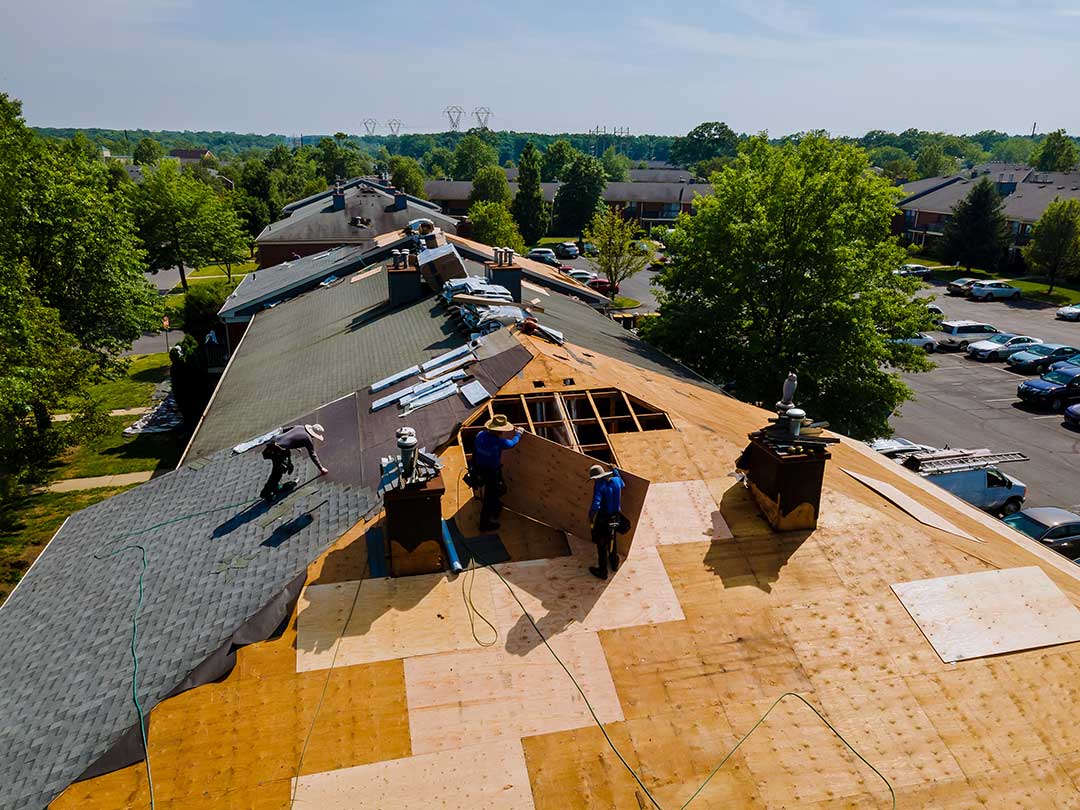
A lower initial cost does not necessarily mean a lower total cost if hidden defects remain uncorrected.
Are all roofing materials suitable for every roof?
No. Roofing materials must match the roof’s slope, structure, exposure, drainage pattern, and installation conditions.
Low-slope sections may require different systems than steeply pitched areas. Heavy materials may not be appropriate for every structure. Valleys, dormers, sidewalls, chimneys, and roof penetrations also require details specific to the material being installed.
A material’s advertised service life is not a guarantee. Installation quality, attic conditions, weather exposure, maintenance, and the design of the roof all influence performance.
Does roof ventilation make an attic colder in winter and waste heat?
Proper ventilation is intended to support a balanced roof system, not simply to remove heat from the house.
A properly insulated and air-sealed ceiling separates the conditioned living space from the attic. Ventilation then helps manage moisture and temperature in the attic area. It can reduce condensation on the underside of the roof deck and help limit uneven snow melt.
Ventilation must be designed as a system. Adding a single roof vent without providing intake air may have little effect. Blocking soffit vents with insulation can also reduce airflow and create localized moisture problems.
Can homeowners safely inspect a roof themselves?
Ground-level observation and attic checks are often reasonable. Walking on a roof is riskier, especially when shingles are wet, icy, steep, brittle, or covered with moss.
From the ground, residents can look for missing shingles, sagging, damaged flashing, exposed underlayment, and clogged drainage. From the attic, they can look for daylight, damp insulation, staining, rusted fasteners, or darkened wood.
Ladders, roof edges, skylights, and snow-covered surfaces create fall hazards. Electrical lines, unstable decking, and hidden structural damage add further risk. Conditions involving active leaks near electrical components, major sagging, storm damage, or unsafe access require appropriate safety precautions and may require qualified assistance.
Do small roof problems stay small?
Not always. A single missing shingle may be a limited repair, but the cause and surrounding condition matter.
A loose shingle can expose underlayment and roof decking to rain and wind. Damaged flashing can allow water into walls or attic insulation. A small leak may contribute to mold, wood decay, or damaged finishes over time.
After severe wind, heavy snow, or ice buildup, a roof may need closer observation even if no indoor stain is visible. In Greene, seasonal weather can place repeated stress on roof coverings and drainage details, making early attention more useful than waiting for a noticeable interior leak.
Should every roof problem be judged by appearance?
No. Appearance is only one part of the assessment.
A roof’s performance depends on how water moves across it, how penetrations are sealed, how the attic handles heat and moisture, and whether the underlying deck remains sound. A roof that looks worn may still be functioning adequately, while a clean-looking roof may have hidden flashing or ventilation defects.
The most reliable decisions consider visible condition, age, repair history, attic evidence, drainage, storm exposure, and the type of roof assembly. That broader view helps distinguish ordinary wear from problems that can affect the building’s structure or interior.
