
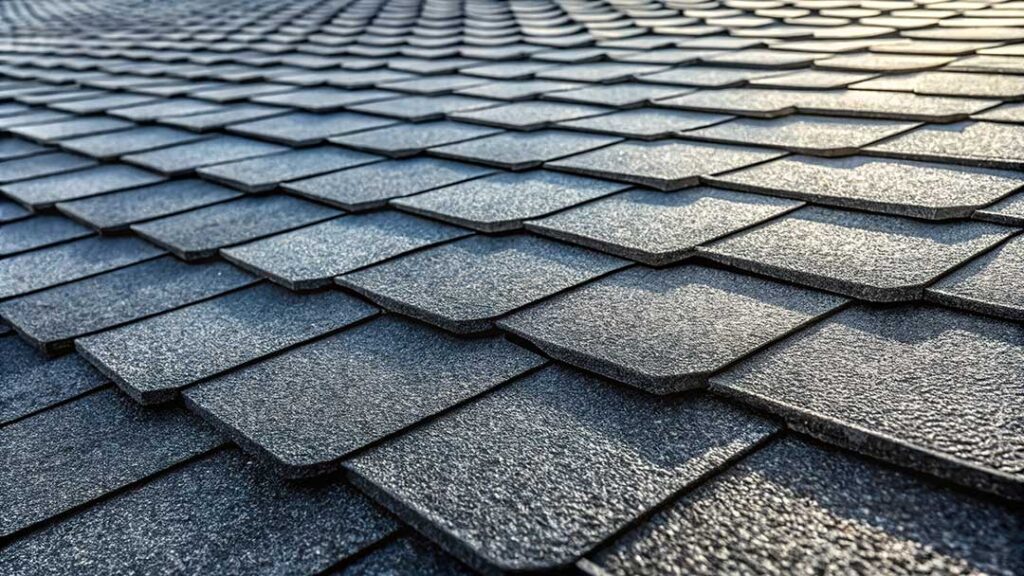
Roof debris can usually be removed safely when it is limited to leaves, small branches, pine needles, or light windblown material. The safest approach is to work from the ground whenever possible, avoid walking on the roof, and stop immediately if the roof is steep, wet, icy, damaged, or close to utility lines.
In Greene, NY, seasonal wind, heavy rain, snow, and falling leaves can leave debris on roofs throughout the year. Removing that material helps keep water moving toward the gutters and makes it easier to notice damaged shingles, blocked drainage areas, or branches that may cause further problems.
What debris should be removed from a roof?
Loose organic material should be cleared when it begins collecting in valleys, behind chimneys, near roof edges, or around plumbing vents. Common examples include:
- Leaves and pine needles
- Small twigs and branches
- Seed pods, bark, and windblown litter
- Moss or small accumulations of organic material
- Light debris trapped behind roof fixtures
Leaves and needles are especially likely to collect in roof valleys, where two roof sections meet. These areas receive water from both slopes and can become clogged quickly. Wet debris also adds weight and may keep the roofing surface damp, encouraging moss growth or premature deterioration.
Large limbs, construction materials, animal nests, and anything attached to the roof should not be pulled away casually. They may be hiding damaged shingles or may be under tension from wind or tree movement.
How can light debris be removed without damaging shingles?
For a one-story or low-slope roof that can be reached safely from a ladder, use a soft roof rake, a leaf blower designed for controlled use, or a long-handled soft broom. Work from the roof edge and move debris downward rather than dragging it across the shingles.
A practical method is:
1. Inspect the roof from the ground first.
2. Set up a stable ladder on level ground, keeping it away from overhead wires.
3. Wear slip-resistant footwear and avoid working in wet, icy, or windy conditions.
4. Use a soft tool to pull or blow loose debris toward the eave.
5. Keep the tool from scraping, poking, or catching the shingles.
6. Remove debris from gutters and the ground after the roof surface is clear.
7. Inspect visible areas for lifted shingles, exposed fasteners, damaged flashing, or sagging sections.
Do not use a pressure washer, stiff metal rake, shovel, or sharp-edged tool on asphalt shingles. These tools can remove protective granules, break seals, loosen tabs, and shorten the service life of the roof.
A leaf blower can be useful for dry leaves, but it should be used carefully. Directing strong airflow under shingle edges can lift or crease them. Blowing debris from the ridge downward is generally less disruptive than blowing upward against the shingle pattern.
Should anyone walk on the roof to remove debris?
Most homeowners should avoid walking on the roof unless there is a specific reason and the surface is known to be safe. Asphalt shingles become slippery with moisture, frost, algae, moss, or loose granules. Even a roof that looks dry can be hazardous after overnight temperatures below freezing.
Walking can also cause damage. Concentrated foot pressure may crack brittle shingles, dislodge granules, bend flashing, or disturb areas around vents and skylights. Older roofs are more vulnerable, particularly after repeated winter freeze-thaw cycles.
If roof access is unavoidable, conditions should be dry and calm, and proper fall protection should be used. A ladder is not a substitute for a fall-protection system. Roof edges, steep slopes, and surfaces above the second story create risks that are difficult to manage with household equipment.
How should debris be removed from gutters and roof valleys?
Debris in roof valleys should be cleared before cleaning the gutters because valley material can wash back into the drainage system during the next storm. Use a gloved hand or a soft scoop for loose material, but avoid digging into the roofing surface.
For gutters, remove larger debris by hand while standing on a properly secured ladder. A small plastic scoop can help, but metal tools may scratch or dent the gutter. After removing the material, flush the gutter with a garden hose if temperatures are above freezing. Watch for water leaking through seams, overflowing at one section, or backing up near a downspout.
Do not direct large amounts of water beneath shingles or toward areas where the roof meets a wall. The purpose of gutter cleaning is to restore drainage, not to test the roof with excessive water.
Downspouts also need attention. A blockage at the bottom can cause water to back up into the gutter, while a blockage near the top can make the gutter appear clear even though water cannot drain properly.
What should be checked after removing roof debris?
Debris removal is a useful time to look for signs of roof trouble, but a ground-level inspection cannot reveal everything. Check for:
- Shingles that are missing, curled, cracked, or visibly lifted
- Dark patches or exposed underlayment
- Damaged metal flashing around chimneys, vents, and roof edges
- Sagging roof sections
- Granules collecting heavily in gutters
- Water stains on ceilings or upper walls
- Branches rubbing against the roof
- Moss or organic growth covering shingle surfaces
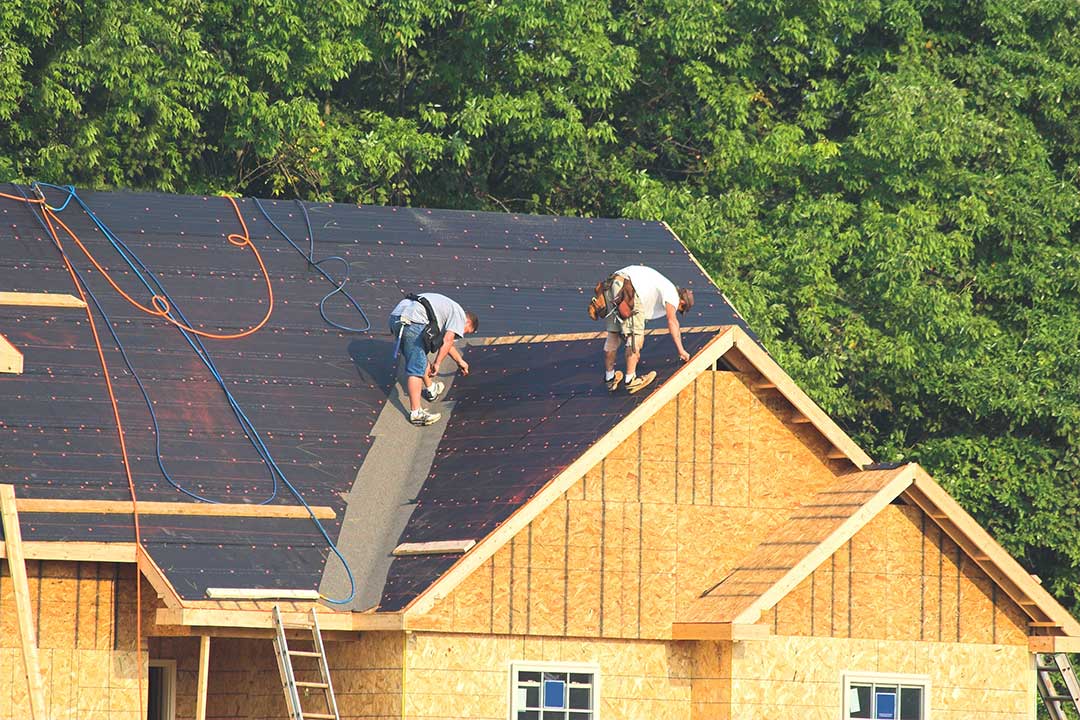
A small branch can cause damage even when no hole is visible. Shingles may be bruised or their underlying structure may be affected. Water stains inside the home can also appear far from the actual leak because water travels along roof decking and framing.
If debris has struck the roof, if a tree limb is resting on it, or if the roof is visibly sagging, climbing onto the surface to investigate can make the situation more dangerous. The area should remain clear until it can be evaluated safely.
When is roof debris removal unsafe?
Roof debris should not be removed from the roof during rain, snow, frost, high winds, or active thunderstorms. Wet leaves are heavy and slippery, while snow can conceal weak areas, roof openings, and ice beneath the surface.
Extra caution is needed when:
- The roof is steep or difficult to reach
- The roof is more than one story above ground
- Utility lines pass near the work area
- A tree limb is suspended or under tension
- The roof structure appears soft, sagging, or damaged
- Debris includes animal waste, nests, or unknown materials
- A ladder cannot be placed securely
- The person performing the work has limited balance or mobility
In these conditions, professional assistance is justified because the main risk is not simply falling. A person can also cause hidden roof damage, disturb electrical equipment, or trigger a falling branch or unstable section of roofing.
How often should a roof be cleared?
There is no single schedule that fits every home. A roof beneath mature trees may need checking several times during autumn and after major windstorms. Homes with fewer nearby trees may only require inspection after severe weather or before the winter season.
For local households, a practical routine is to inspect the roof from the ground in early spring, after the main leaf-fall period, and following strong wind or heavy snowfall. Keep nearby tree branches trimmed away from the roof when possible, but do not remove large limbs without considering their direction of fall and the safety of the surrounding property.
Regular ground-level observation is often more useful than occasional risky climbing. Removing loose debris promptly, keeping gutters and downspouts open, and watching for changes in the roof surface can help prevent minor drainage problems from becoming interior leaks.
