
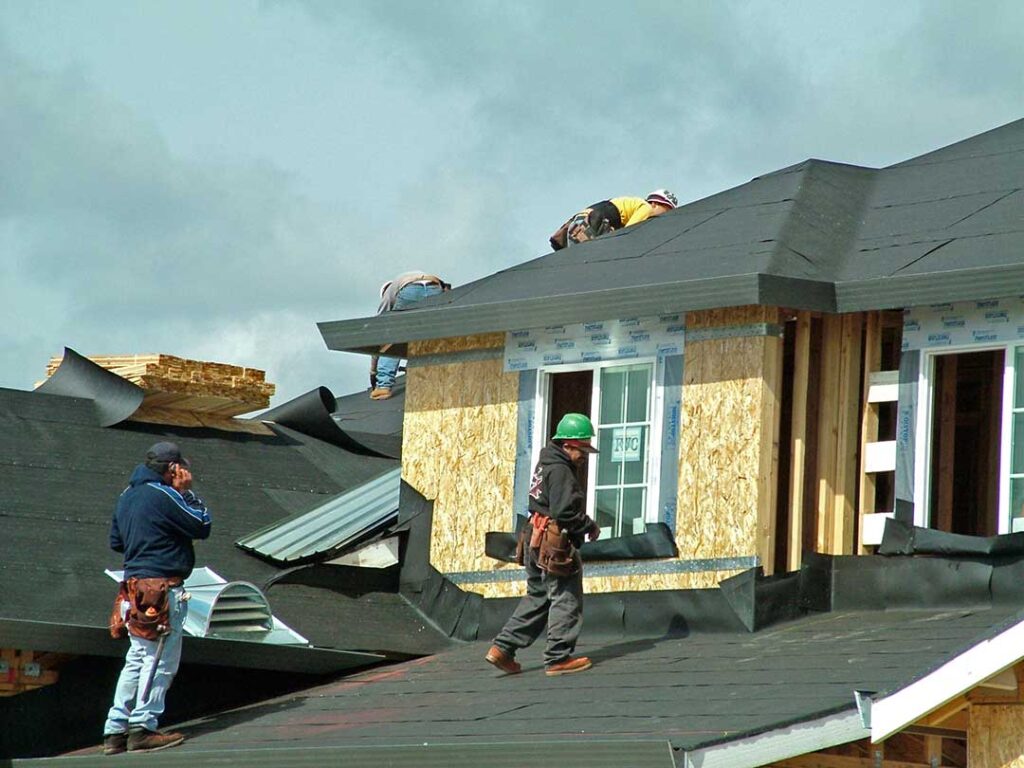
Choosing a roofing contractor in Greene, NY requires more than comparing prices. A sound decision depends on licensing and insurance, written documentation, roof-specific experience, communication, and an understanding of local weather conditions. The goal is not simply to find the lowest bid, but to identify a contractor whose work can be evaluated before, during, and after the project.
What should be checked before hiring a roofing contractor?
Before discussing price, verify that the contractor is properly established and able to provide clear project information. A reputable contractor should be willing to identify the business legally, explain who will perform the work, and provide documentation without treating reasonable questions as a problem.
Basic checks include:
- A written business name, physical mailing address, and working phone number
- Proof of general liability insurance
- Proof of workers’ compensation coverage for employees
- References for comparable roofing projects
- A written contract describing the work, materials, payment terms, and warranty
- Evidence of any registration, permit, or local compliance requirements that apply
Insurance matters because roofing involves fall hazards, property damage risks, and heavy materials. Homeowners should not assume that a contractor’s statement of coverage is enough. The insurance information should be current and issued in the business’s legal name.
A contractor who uses subcontractors should explain that arrangement in advance. Homeowners should also ask whether the same insurance and safety standards apply to those workers.
How many roofing estimates should a homeowner get?
Two or three detailed estimates are usually more useful than collecting a large number of quick prices. The estimates should describe comparable work so that the differences can be evaluated fairly.
A low bid may exclude important items such as removal of existing roofing, replacement of damaged decking, underlayment, flashing, ventilation work, disposal, or follow-up repairs. A higher bid is not automatically better, but a price that is far below the others deserves careful examination.
Each estimate should state:
- The roofing material, grade, color, and manufacturer if already selected
- Whether old roofing will be removed or covered
- How damaged sheathing or decking will be priced
- The type of underlayment and ice-barrier protection
- Treatment of flashing around chimneys, skylights, walls, and roof penetrations
- Ventilation work, including whether existing vents will be reused
- Cleanup, disposal, and protection of landscaping or outdoor property
- Start and completion expectations
- Payment schedule and cancellation terms
A written estimate should not be so vague that the homeowner cannot tell what is included.
What roofing experience matters in Greene, NY?
Roofing contractors should understand the demands created by the local seasonal cycle. Roofs in the area must handle snow, freezing temperatures, ice formation, wind, heavy rain, and repeated expansion and contraction as temperatures change.
This does not mean a contractor needs to use unusual materials for every home. It does mean the roof assembly should be planned correctly for the building and exposure. Details such as underlayment, flashing, ventilation, drainage, and the condition of the roof deck often have as much long-term importance as the visible shingles.
Home design also matters. Older houses may have multiple roof layers, additions, enclosed porches, low-slope sections, aging chimneys, or previous repairs that are not obvious from the ground. A contractor should inspect these areas rather than assuming the roof is a simple, uniform surface.
Ask whether the contractor has worked on homes with similar roof shapes, materials, age, and drainage conditions. Experience with one type of roof does not automatically prove competence with another.
What questions should be asked during the roof inspection?
A useful inspection should explain the roof’s condition, not simply label it as “good” or “bad.” Homeowners can ask:
- How much service life may remain?
- Are there active leaks, or are there signs of previous leakage?
- Is the roof deck sound?
- Are the flashing and sealants intact?
- Is attic ventilation adequate?
- Are gutters, downspouts, and drainage paths contributing to roof problems?
- Are there areas with moss, algae, exposed fasteners, lifted shingles, or wind damage?
- Which repairs are urgent, and which can be monitored?
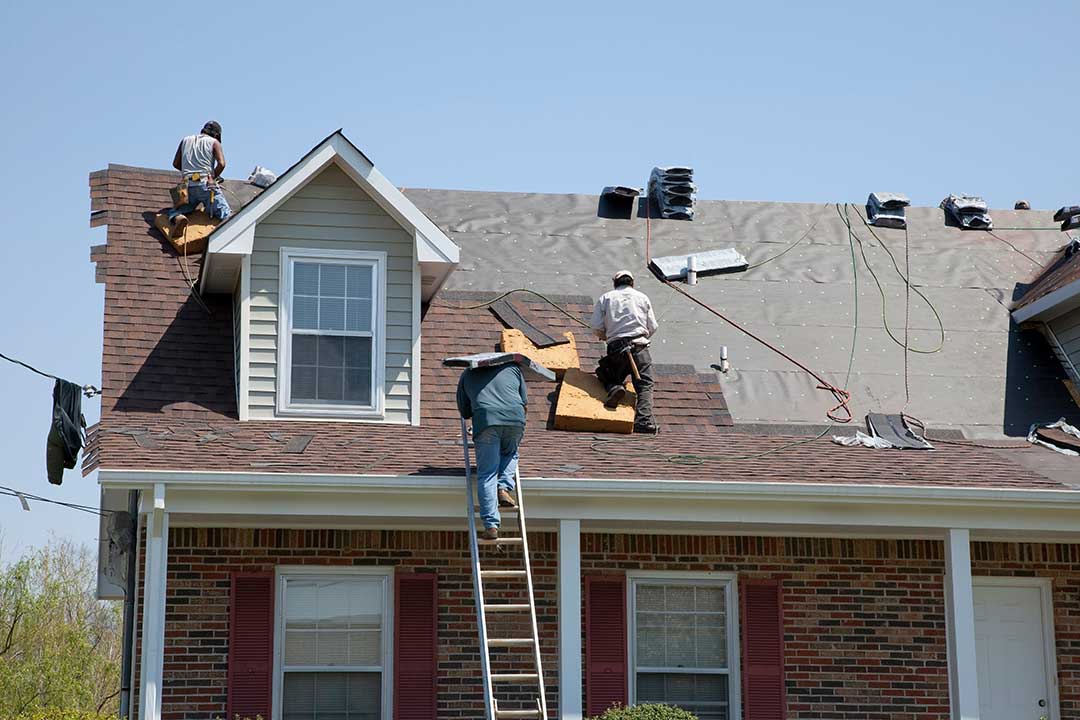
Photographs can make the explanation easier to understand. A contractor does not need to recommend replacement merely because a roof has some age. Some roofs need targeted repairs, while others have widespread deterioration that makes replacement more practical.
Homeowners should also be cautious of inspections based only on a quick view from the driveway. Some defects can be seen from the ground, but roof penetrations, valleys, flashing, and soft decking often require a closer examination when conditions are safe.
What should a roofing contract include?
A roofing contract should be specific enough that a person who was not present for the conversation could understand the agreement. Verbal promises are difficult to verify later, particularly if weather or hidden damage changes the schedule or cost.
The contract should identify the property, describe the scope of work, list the materials, and explain how unexpected conditions will be handled. If rotten decking or damaged flashing is discovered, the process for approving additional work should be stated before the project begins.
Payment terms deserve special attention. A reasonable arrangement connects payments to defined stages of work rather than requiring the entire amount before materials arrive. Homeowners should avoid signing documents with blank spaces or agreeing to changes that are not written down.
The contract should also explain workmanship coverage separately from manufacturer material coverage. These warranties are not the same. A materials warranty may address manufacturing defects, while workmanship coverage concerns installation problems. Ask who handles warranty claims and whether the contractor remains responsible if a problem appears after the crew has left.
How can homeowners recognize warning signs?
Certain behaviors should prompt caution before any deposit is paid. Warning signs include pressure to sign immediately, demands for full payment upfront, reluctance to provide insurance information, vague estimates, unexplained cash-only terms, or promises that sound too broad to be realistic.
A contractor should be able to explain the work in plain language. Evasive answers about ventilation, flashing, cleanup, permits, or workers’ compensation can create problems later.
Storm damage also creates opportunities for rushed decisions. After wind or hail, homeowners may receive unsolicited offers to inspect the roof. An inspection is not proof that replacement is necessary. It is reasonable to document damage, review insurance requirements, and compare written findings before authorizing major work.
Homeowners should never allow a contractor to sign insurance documents on their behalf or make coverage decisions for them. Insurance claims and roof repairs are separate matters that should be reviewed carefully.
What happens after the roofing work is finished?
The final inspection should be treated as part of the project, not an afterthought. Walk around the property and check that debris, nails, packaging, and leftover materials have been removed. Gutters, landscaping, siding, windows, and exterior fixtures should be inspected for damage.
Ask for copies of:
- The final invoice
- Product and workmanship warranty documents
- Any change orders
- Permit or inspection records, when applicable
- Maintenance information
- Photographs of concealed repairs, such as replaced decking
The roof should also be observed during the first significant rainfall and after strong wind or heavy snow. Interior signs such as ceiling stains, damp insulation, peeling paint, or musty attic odors should be addressed promptly. A new roof does not eliminate the need for reasonable maintenance, including keeping drainage paths clear and watching for damage caused by fallen branches or ice.
The most reliable contractor choice is usually the one supported by clear documentation, realistic explanations, appropriate insurance, and a detailed plan for the specific roof. Price matters, but the quality of the information provided before work begins is often a better indicator of how smoothly the project will be managed.
