
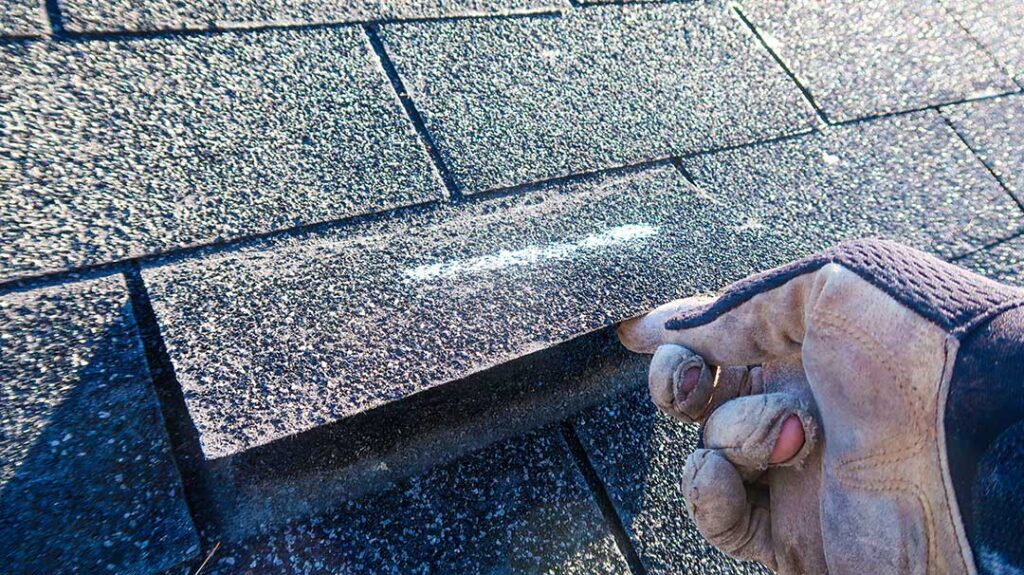
Tree limbs can affect a roof long before a large branch falls. Repeated rubbing, falling debris, trapped moisture, and storm loading can gradually damage shingles, flashing, gutters, roof edges, and even the underlying wood.
For residents of Greene, NY, the risk can change throughout the year. Heavy snow and ice may add weight to branches, while summer thunderstorms, high winds, and remnants of tropical systems can break weak or overextended limbs. Understanding the different types of damage makes it easier to spot problems early and respond safely.
Can tree limbs damage a roof even if they never fall?
Yes. Branches that touch or scrape the roof can cause gradual wear that may not be obvious from the ground.
As wind moves a limb back and forth, it can:
- Scuff away protective granules from asphalt shingles
- Crack or loosen shingles
- Wear through roofing membranes
- Damage ridge caps and roof-edge materials
- Disturb flashing around chimneys, skylights, and wall intersections
- Scratch metal roofing or painted surfaces
A branch may appear harmless during calm weather but move several inches during a windy storm. Repeated contact can create a small damaged area that later allows water to enter.
Pine, spruce, and other evergreen branches can be especially troublesome because their needles and smaller twigs may remain in contact with the roof. Broadleaf trees can create similar problems when their limbs become heavy with leaves or wet snow.
What happens when leaves, twigs, and bark collect on the roof?
Organic debris holds moisture against roofing materials and can block water from flowing toward the gutters. A thin layer of leaves may seem minor, but repeated accumulation can contribute to several problems.
Moist debris can encourage moss and algae growth, especially on shaded roof slopes. It can also hide damaged shingles, loose flashing, or small punctures. If twigs collect near valleys, dormers, or roof-to-wall areas, water may back up during rain and find a path beneath the roofing.
Debris can also wash into gutters and downspouts. Clogged drainage causes water to overflow near fascia boards, siding, windows, and foundations. During freezing weather, wet debris and blocked gutters may contribute to ice buildup along the roof edge.
How do storms make tree-limb damage worse?
Storms create several different hazards at the same time. Wind can break dead, cracked, or weakly attached branches. Snow and ice can add substantial weight to limbs that already extend over the roof. Saturated soil may also reduce a tree’s stability, increasing the chance of uprooting.
In Greene, winter ice events and heavy snow can bring down branches even when wind speeds are not extreme. During warmer months, thunderstorms may produce sudden gusts that expose weak points in trees. A limb that survives ordinary weather may fail when it carries wet foliage or receives an abrupt load from wind.
The size of the branch is not the only concern. A smaller limb can still puncture a shingle roof if it falls from sufficient height, while a large limb may damage roof framing, gutters, siding, windows, or attached structures.
Which roof areas are most vulnerable?
Tree-related damage often appears at locations where the roof is already more complex or exposed.
Pay particular attention to:
- Roof edges beneath overhanging branches
- Valleys where leaves and twigs naturally collect
- Chimneys and chimney flashing
- Skylights and roof windows
- Dormers and roof-to-wall transitions
- Gutters, fascia, and soffits
- Low-slope sections where debris drains slowly
- Areas beneath dead or split limbs
A falling limb may also damage vents or pipe boots. Once one of these penetrations is cracked or displaced, rainwater can enter the attic and spread along the underside of the roof deck before a ceiling stain appears.
What signs suggest that a tree limb has affected the roof?
Some warning signs are visible from the ground, while others may appear inside the home.
Exterior signs include:
- Shingles that look scraped, lifted, cracked, or missing
- Freshly broken branches on the roof
- Bare patches where granules have been removed
- Bent gutters or downspouts
- Damaged flashing around roof penetrations
- Sagging roof edges
- Leaves or twigs repeatedly collecting in one area
- A branch that is resting on, rubbing against, or hanging over the roof
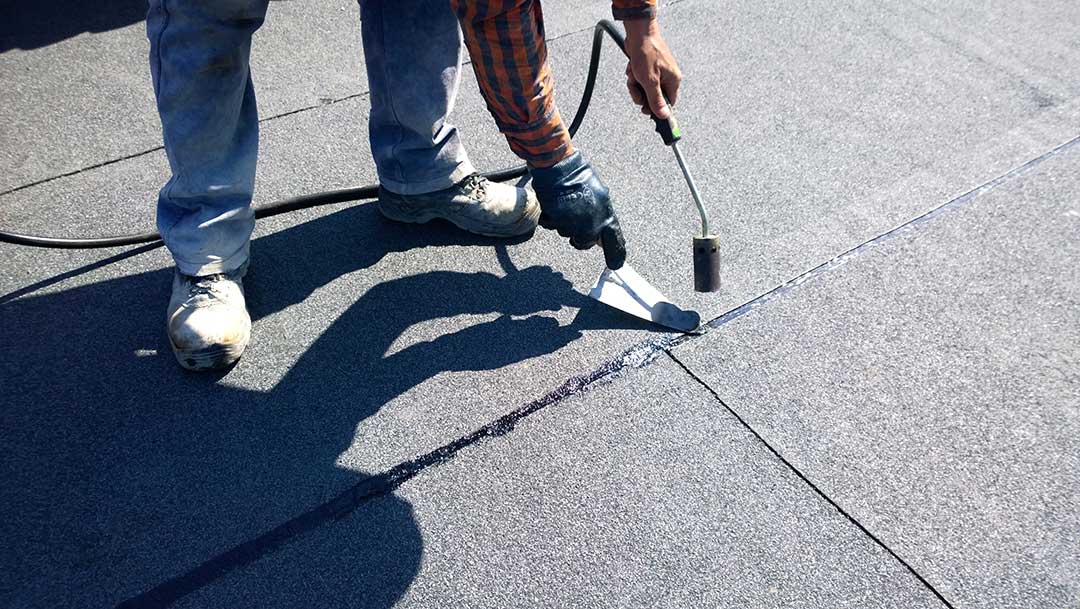
Inside the attic or upper rooms, look for damp insulation, daylight through the roof deck, water stains, musty odors, or drips that appear after wind-driven rain. Water may travel away from the original entry point, so a stain on a ceiling does not always identify the exact location of roof damage.
Should branches overhanging a roof always be removed?
No. Overhang alone does not automatically mean that a tree is unsafe or must be removed. The condition of the tree, the size and attachment of the limb, the distance from the roof, and the likely path of failure all matter.
Branches deserve closer attention if they are:
- Dead or brittle
- Cracked at a major union
- Hanging at an unusual angle
- Split after a storm
- Covered with excessive decay
- Resting on another branch or structure
- Close to utility lines
- Large enough that a fall could reach the roof or occupied areas
Pruning should not be done by randomly cutting large limbs or removing the top of a tree. Improper cuts can create decay points, weaken branch structure, and encourage poorly attached regrowth. Large limbs over a roof, damaged trees, and any branch near electrical lines present significant safety hazards and require qualified tree-care judgment.
What should be done after a limb falls on the roof?
Safety comes first. Do not climb onto a roof to inspect or remove a branch, particularly when the surface is wet, icy, steep, or structurally damaged. Keep people away from areas where a limb is hanging or where the roof appears to sag.
If electrical wires are involved, stay clear of the tree, roof, and surrounding ground. A downed or damaged line may remain energized even when it appears inactive.
From the ground, note the location of the limb, visible roof damage, broken windows, and signs of water entry. If water is entering the home, place containers under active drips and move belongings away from the area when it is safe to do so. Do not disturb a large limb that is still under tension or supported by damaged roofing.
After the immediate hazard is controlled, the roof and tree should be assessed separately. A tree specialist is suited to evaluating limb attachment, decay, stability, and safe removal. Roof damage may involve more than the visible hole; decking, insulation, flashing, and interior finishes can also be affected.
How can homeowners reduce the risk?
Regular observation is more useful than waiting for a storm. Walk around the property in different seasons and look for branches that have begun to touch the roof, deadwood that has developed over occupied areas, or debris that repeatedly gathers in gutters and valleys.
Practical maintenance includes:
- Keeping roof-contacting branches from rubbing against roofing
- Removing dead or visibly damaged limbs before severe weather
- Keeping gutters and downspouts clear of leaves and twigs
- Checking attic spaces after major storms
- Photographing existing roof and tree conditions for household records
- Watching for changes in tree lean, soil movement, cracks, or exposed roots
The goal is not to eliminate every tree near a house. Healthy, well-maintained trees can remain part of a property while reducing avoidable contact and debris. The key is recognizing that a roof can be damaged by constant movement and moisture just as surely as by one dramatic falling branch.
