
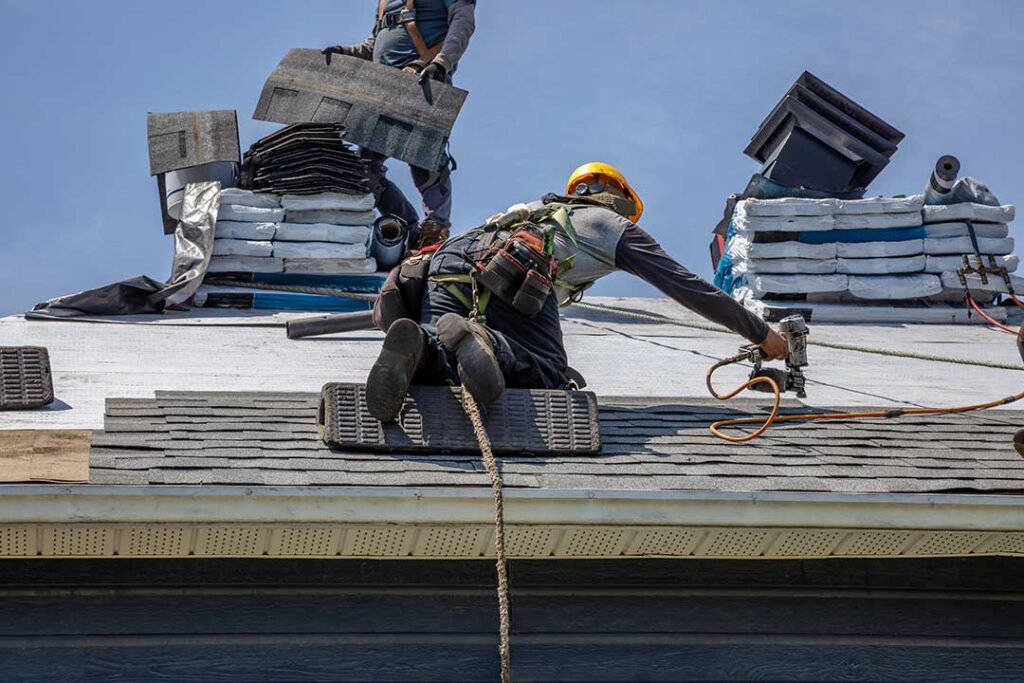
What is roof flashing?
Roof flashing is thin, water-resistant material installed at places where a roof changes direction, meets another surface, or contains an opening. Its purpose is to guide rain and melting snow away from vulnerable joints so water does not enter the roofing system or the building below.
Flashing is commonly made from aluminum, galvanized steel, copper, or other corrosion-resistant materials. Some modern roofing systems also use flexible membrane flashing around certain transitions and penetrations.
Shingles, metal panels, and underlayment shed most roof water, but they cannot seal every joint by themselves. Flashing provides an additional layer of protection at the locations most likely to develop leaks.
Where is flashing installed?
Flashing appears in several areas of a typical roof. Some pieces are visible, while others are covered by shingles, siding, or trim.
Common locations include:
- Chimneys: Step flashing and counterflashing help protect the joint between masonry and roofing.
- Roof-to-wall intersections: Wall flashing directs water away from a vertical wall where it meets a sloped roof.
- Valleys: Valley flashing or carefully installed valley materials help manage water flowing from two roof sections.
- Roof edges: Drip edge flashing helps move water into the gutters or away from fascia boards.
- Skylights: Special flashing kits surround the skylight and help prevent water from collecting around the frame.
- Plumbing vent pipes: Small flashing collars seal the area where pipes pass through the roof.
- Roof penetrations: Vents, exhaust outlets, satellite mounts, and similar openings require properly fitted flashing.
- Dormers and other projections: The intersections around dormers often use several layers of flashing because multiple roof planes meet.
Each location presents a different water-management problem. A repair that works around a vent pipe may not be suitable for a chimney or a roof valley.
Why does roof flashing matter in Greene, NY?
Roof flashing matters because water rarely enters through the middle of an intact roofing surface. Leaks more often begin at joints, edges, penetrations, and transitions where materials meet.
In Greene, NY, roofs must handle rain, freeze-thaw cycles, wind, ice, and periods of heavy snow. Water can seep beneath a small opening, freeze, expand, and gradually make the opening larger. Repeated wetting and drying can also cause metal to corrode, sealants to break down, and nearby wood to deteriorate.
A flashing problem may not produce an obvious ceiling stain right away. Water can travel along roof decking, rafters, wall cavities, insulation, or trim before becoming visible indoors. By the time a stain appears, the original entry point may be several feet away.
Proper flashing helps protect:
- Roof decking and structural framing
- Attic insulation
- Interior ceilings and walls
- Exterior trim and siding
- Masonry around chimneys
- Electrical components and ventilation areas
What are the main types of roof flashing?
Different flashing designs are used for different roof conditions.
Step flashing consists of individual metal pieces installed in overlapping courses where a roof meets a wall or chimney. Each piece works with the shingle course above it, creating a layered path for water to drain downward.
Counterflashing is installed over or into masonry, commonly at chimneys. It covers the upper edge of base flashing so water cannot enter behind it. If counterflashing is loose, cracked, or missing, the joint may leak even when the lower flashing appears intact.
Drip edge flashing is placed along roof edges. It helps prevent water from soaking the roof edge, fascia, and exposed ends of roof decking. It also helps direct runoff toward the gutter system where gutters are present.
Valley flashing protects the low points where two roof slopes meet. These areas receive concentrated runoff and can be especially vulnerable if leaves, ice, or debris slow the flow of water.
Pipe flashing surrounds plumbing vents and similar roof penetrations. The flexible collar must remain sealed as the pipe and roof move slightly with temperature changes.
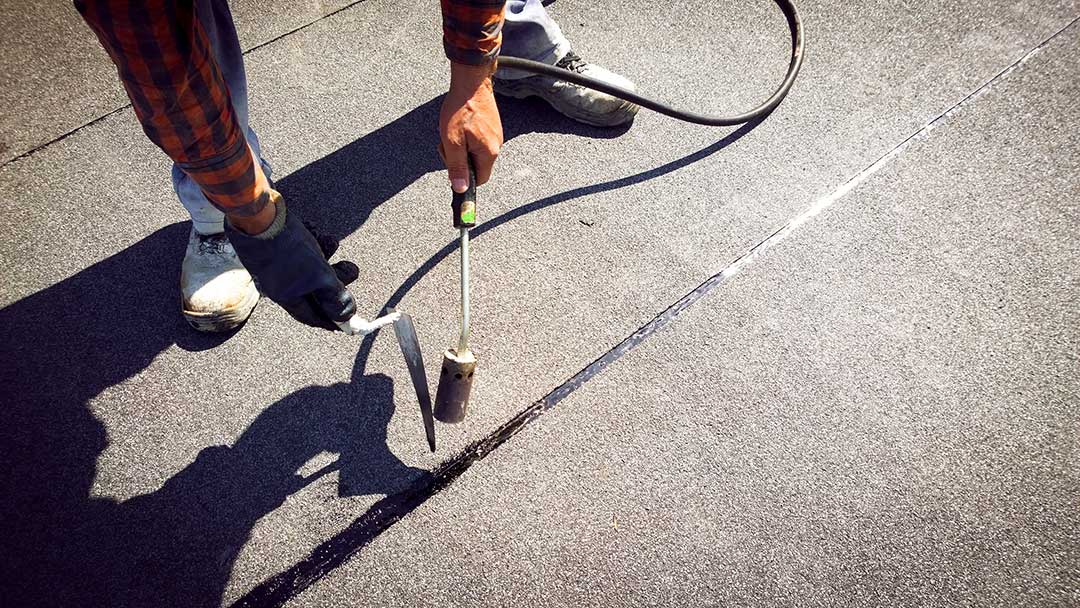
Apron and cricket flashing are used around larger transitions, chimneys, and areas that need water redirected around an obstruction. A cricket is a raised, sloped structure behind some chimneys that divides water and reduces buildup on the uphill side.
What does damaged flashing look like?
Visible warning signs can include rust, holes, bent edges, lifted sections, cracked sealant, loose fasteners, or flashing that has pulled away from masonry or siding.
Inside the home, possible signs include:
- Brown or yellow ceiling stains
- Damp attic insulation
- Peeling paint near upper walls
- Musty odors
- Soft or discolored roof decking
- Moisture around a chimney or skylight
- Drips that appear only during wind-driven rain
A leak that appears during one type of weather may provide a useful clue. For example, water entering only during wind-driven rain may point to a sidewall or roof-edge problem. Moisture that appears after snow begins melting may involve ice accumulation, blocked drainage, or a concealed flashing weakness.
Not every ceiling stain comes from flashing. Roof coverings, ventilation issues, plumbing leaks, and ice-related problems can create similar symptoms.
Can flashing be repaired, or does it need to be replaced?
Minor problems may sometimes be corrected by securing a loose section, replacing damaged fasteners, or renewing a compatible seal at a specific joint. However, sealant alone is not a complete substitute for properly shaped and layered flashing.
Replacement is more likely when flashing is badly corroded, punctured, incorrectly installed, buried beneath roofing materials, or damaged during earlier repairs. Flashing that is too short, lacks proper overlap, or directs water behind the roofing system may need to be rebuilt rather than simply covered.
A common misconception is that adding roofing cement over a visible seam solves the problem permanently. Patches may slow water entry for a limited time, but they can crack, separate, or conceal worsening damage. The underlying water path still needs to be understood.
How can residents reduce flashing-related problems?
Routine observation can identify trouble before a small leak becomes widespread damage. After major storms, residents can look from the ground for missing shingles, displaced metal, damaged chimney caps, sagging gutters, or visible debris collecting near valleys and roof penetrations.
From inside the attic, safe access may allow a person to look for damp insulation, darkened wood, or daylight around penetrations. Roof walking is riskier, particularly when surfaces are wet, icy, steep, or covered with debris.
Keep gutters and nearby drainage paths reasonably clear so water does not back up against roof edges. Trim branches that repeatedly scrape roofing materials, and watch for ice buildup during freezing weather. Snow and ice should not be removed from a roof by climbing onto it without appropriate safety equipment and experience.
If water is actively entering near electrical wiring, a ceiling fixture, or a heavily saturated area, limit contact with the affected area and treat the condition as a safety issue. Flashing is a small component of the roof, but its placement and condition can determine whether rain and melting snow remain outside or begin moving through the building.
