
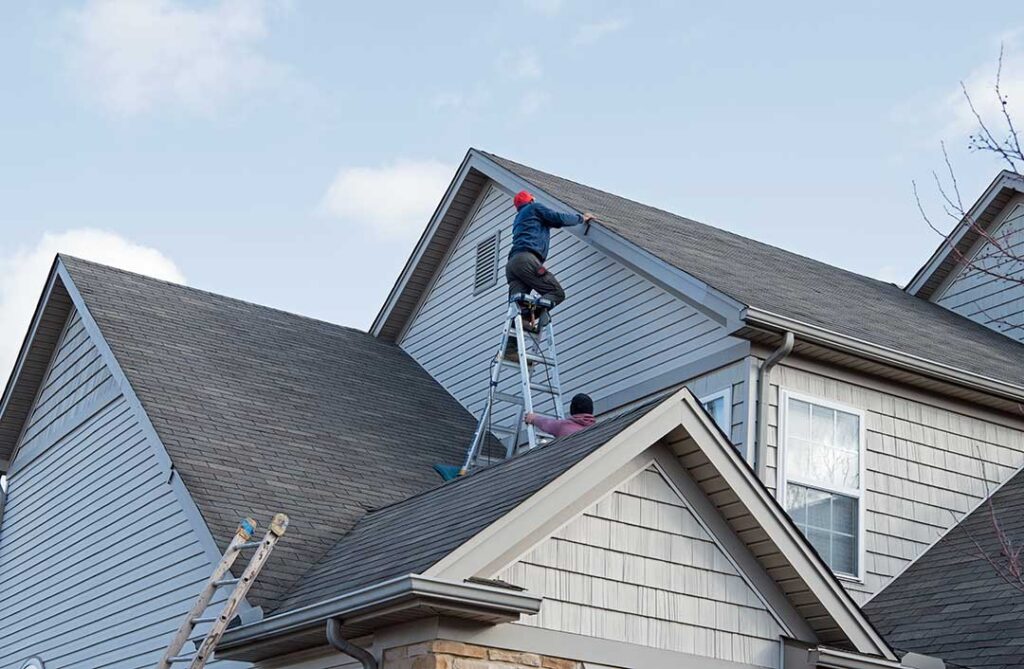
A green roof can reduce runoff, protect a roof membrane from sunlight, and add habitat, but it is not a simple substitute for a conventional roof. For households in Greene, NY, the value depends on structural capacity, roof design, winter conditions, maintenance expectations, and how long the property will be used.
What is a green roof?
A green roof is a roof system designed to support vegetation above a waterproof membrane. It usually includes several layers: a roof deck, waterproofing, root protection, drainage, growing media, and plants.
Most residential green roofs are extensive systems. They use a relatively shallow growing medium and low-growing plants that can tolerate drought, wind, heat, and cold. More elaborate intensive systems use deeper soil and may support shrubs, ornamental plants, paths, or small trees. These systems are substantially heavier and more complex.
A green roof is not the same as a roof covered with potted plants. The entire assembly must be designed to control water, protect the membrane, handle wind, and carry the combined weight of the soil, plants, retained moisture, and snow.
Are green roofs practical in Greene, NY?
They can be, but local winter conditions make careful design especially important. Roofs in the area must deal with snow, freeze-thaw cycles, ice, spring rain, summer heat, falling leaves, and occasional high winds.
Snow does not automatically make a green roof impractical. The roof must be engineered for the total expected load, including the weight of the green roof system and saturated growing media. Snow that melts and refreezes can also place stress on drainage paths and roof edges.
A low-slope roof is generally easier to adapt than a steep residential roof. However, a low slope must drain reliably. Standing water can damage roofing materials and create problems around drains, edges, skylights, chimneys, and mechanical equipment.
The most suitable candidates are often:
- Flat or low-slope additions
- Garages, sheds, and accessory structures
- New construction designed from the beginning for a planted roof
- Roofs with safe access for inspection and maintenance
- Properties where stormwater control or habitat has a clear purpose
A typical steep, older roof may require major structural changes before a green roof is even considered.
What benefits can a green roof provide?
The strongest benefit is stormwater management. Plants and growing media absorb, store, and slowly release some rainfall. That can reduce the amount of water reaching gutters, downspouts, yards, drainage swales, and nearby waterways during ordinary storms.
Green roofs can also:
- Shield waterproofing from ultraviolet light and temperature swings
- Reduce the speed and volume of roof runoff
- Provide limited habitat for insects and birds
- Reduce surface temperatures during warm weather
- Add visual interest to a garage, porch roof, or outbuilding
- Improve the appearance of a property where a roof is visible from upper windows
The benefits are not equal during every season. A green roof may retain a meaningful share of rainfall during the growing season, but frozen soil and snow-covered vegetation limit its ability to absorb winter precipitation. During long periods of saturated soil or heavy rain, excess water still has to be routed safely away.
A green roof also does not eliminate the need for gutters, overflow protection, or sound site drainage.
Can a green roof lower energy bills?
Possibly, but energy savings are often overstated. Vegetation and moist growing media can reduce heat gain through a roof during summer, particularly over an occupied upper floor. The effect depends on roof assembly, insulation, air sealing, sun exposure, ventilation, and the depth of the growing medium.
In a cold climate, insulation remains the primary tool for reducing winter heat loss. A green roof should not be viewed as a replacement for adequate insulation or proper attic ventilation.
For many homes, the financial return from lower utility costs alone will not justify the added construction cost. The environmental and roof-protection benefits may matter more than direct energy savings.
What are the main disadvantages?
The largest drawbacks are weight, cost, access, and maintenance.
A basic extensive system can weigh considerably more than ordinary roofing, especially after heavy rain or snow. Older buildings may not have enough reserve structural capacity. Structural review is particularly important if the roof has sagging, undersized framing, water damage, or a history of snow-related problems.
Installation is also more complicated. A green roof requires compatible waterproofing, protected seams, reliable drainage, edge restraint, overflow planning, and details that prevent roots from reaching vulnerable areas.
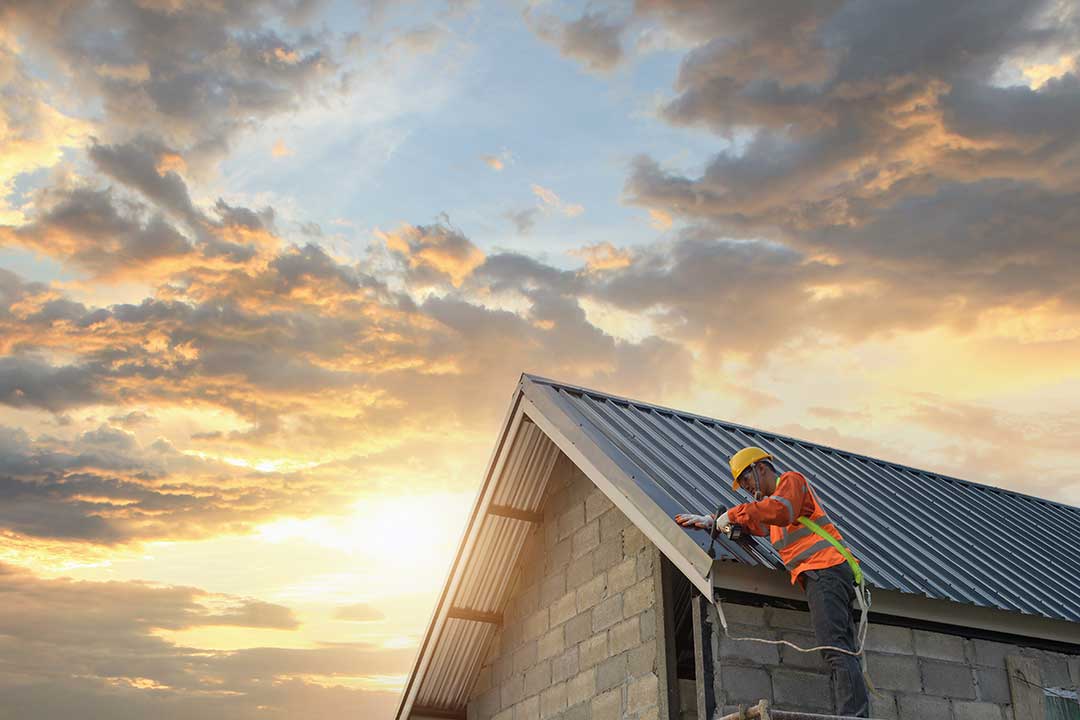
Maintenance does not disappear because the roof is planted. Routine tasks may include:
- Removing unwanted woody growth
- Keeping drains, scuppers, and overflow outlets clear
- Checking exposed flashing and roof edges
- Replacing dead or damaged plants
- Watching for erosion or bare areas
- Inspecting after major storms
- Controlling invasive plants without damaging the membrane
Safe access can be difficult in winter or on steep roofs. Walking on frozen plants, saturated soil, or slippery surfaces can damage the system and create fall hazards.
How does a green roof compare with other environmentally friendly options?
A green roof is only one method of reducing roof-related environmental impacts. Depending on the property, simpler options may provide more value.
Rain barrels or larger rainwater storage systems can capture runoff from a conventional roof for landscape use, although they need winter management and overflow planning. Rain gardens can handle downspout water at ground level when soil, grading, and space allow. Permeable surfaces may reduce runoff from walkways and driveways.
A highly reflective roof can reduce summer heat gain without adding the weight of soil and plants. Better insulation, air sealing, durable roofing materials, and properly sized gutters may produce more predictable benefits for a typical household.
These approaches can also be combined. For example, a small green roof on an accessory structure may work with downspout controls and a planted drainage area elsewhere on the property.
Does a green roof require special permits or code review?
Potentially. Requirements depend on the scope of the work, the structure, roof alterations, electrical or mechanical equipment, and local enforcement practices. Structural changes, drainage modifications, occupied-roof features, and new construction may trigger building-code review.
New York State stormwater standards also recognize green roofs as a form of green infrastructure in appropriate projects. That does not mean every residential installation requires a stormwater permit, but larger construction or redevelopment projects can involve additional design and documentation requirements.
Before work begins, the applicable building, zoning, stormwater, and fire-safety requirements should be confirmed. Structural design should account for saturated soil, snow, wind uplift, drainage, and maintenance access rather than relying on the dry weight of the system alone.
When is a green roof worth considering?
A green roof may be worthwhile when the property has a suitable low-slope roof, adequate structural capacity, a long ownership horizon, and a clear reason for adding vegetation. It can make particular sense for a new building or planned roof replacement, when drainage and structural details can be designed together.
It is less likely to be worthwhile when the roof is steep, the structure is already stressed, access is poor, or the main goal is simply lowering monthly energy bills. In those situations, insulation, air sealing, roof drainage improvements, or a durable conventional roof may offer a better balance of cost and performance.
The practical answer for local residents is neither an automatic yes nor no: green roofs can work in Greene, NY, but they are specialized roof systems, not a universal residential upgrade. Their value is highest when stormwater reduction, habitat, roof protection, and long-term property plans all align.
