
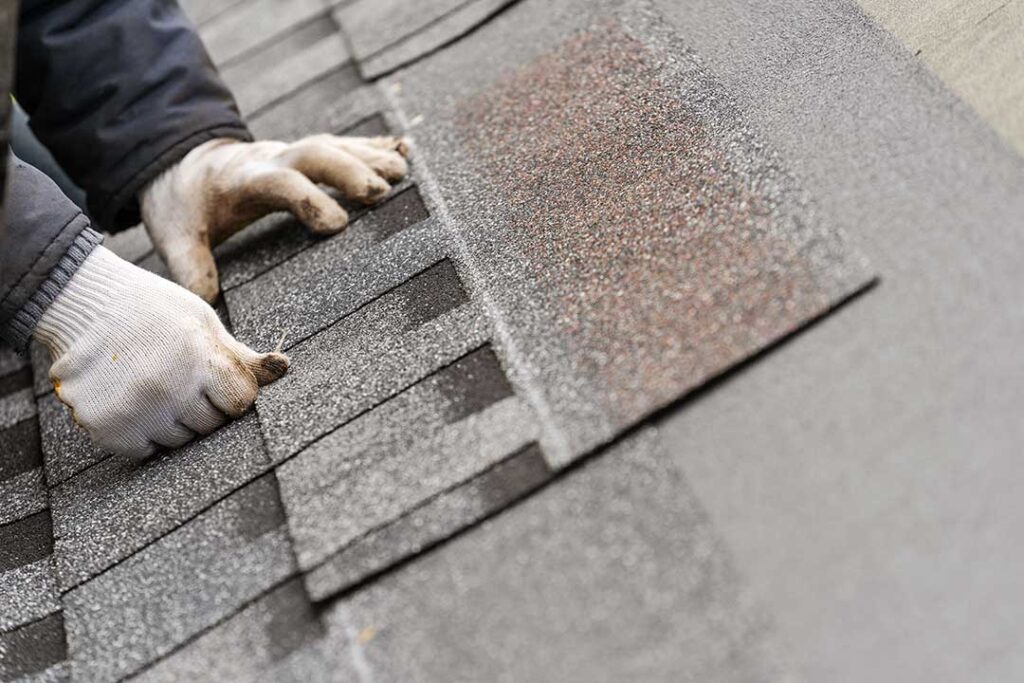
A roof does more than keep rain and snow out. Its insulation, air sealing, ventilation, color, and condition all influence how much energy a home uses and how comfortable the upper floors feel.
For households in Greene, NY, roof-related energy concerns are especially noticeable during cold winters, periods of snow, summer heat, and rapid temperature changes. Understanding how the roof assembly works can help residents identify practical improvements and avoid common mistakes.
Does a roof affect heating and cooling costs?
Yes. Heat moves through a roof when insulation is missing, compressed, unevenly installed, or bypassed by air leaks. During winter, warm indoor air can escape into the attic. During summer, solar heat can pass through the roof and raise attic and upper-floor temperatures.
The roof itself is only one part of the system. Energy performance depends on how these components work together:
- Roof covering
- Roof sheathing
- Air barrier
- Insulation
- Attic ventilation
- Ceiling or roof-line construction
- Ductwork and mechanical equipment located near the attic
A roof with good shingles but inadequate insulation may still allow substantial heat loss. Likewise, adding insulation without controlling air leakage can leave the attic damp and reduce the insulation’s effectiveness.
Is attic insulation or roof insulation more useful?
For many homes with an unfinished attic, insulating and air-sealing the attic floor is the most direct approach. This keeps the attic outside the home’s heated envelope while reducing heat transfer through the ceiling.
An attic-floor approach usually makes sense when:
- The attic is used mainly for storage or inspection
- Heating and cooling equipment are not located in the attic
- Ducts are outside the conditioned space
- The roof framing has limited room for insulation
- Existing ventilation can be maintained
Insulating along the underside of the roof is a different strategy. It can bring the attic into the conditioned space and may be useful when ducts, plumbing, or equipment are located there. It also requires careful control of moisture, air movement, and roof-deck temperature.
Neither approach is automatically better for every house. The correct choice depends on the building layout, existing insulation, ventilation design, and condition of the roof assembly.
Why does air sealing matter?
Air sealing stops uncontrolled air movement through gaps between the living space and the attic. These openings are often found around wiring, plumbing, recessed fixtures, chimneys, duct penetrations, attic access panels, and the tops of interior walls.
In winter, warm air leaking upward can carry moisture into the attic. That moisture may condense on cold roof sheathing, insulation, or fasteners. Over time, this can contribute to frost, staining, mold-like growth, wood deterioration, or ice-related problems.
Air sealing should generally happen before adding insulation. Otherwise, the new insulation may cover the problem without stopping the airflow. An attic access panel should also fit securely and have insulation comparable to the surrounding ceiling area.
Does attic ventilation make a home more energy efficient?
Proper ventilation helps manage heat and moisture in a vented attic, but ventilation is not a substitute for insulation or air sealing.
A typical vented attic may use low intake openings near the eaves and high exhaust openings near the ridge or upper roof area. Air should be able to move through the attic without being blocked by insulation. Baffles can preserve a ventilation channel above the insulation at the eaves.
Ventilation problems often arise when:
- Soffit vents are blocked by insulation
- Exhaust vents are installed without adequate intake air
- Bathroom fans discharge into the attic
- Gaps allow indoor air to bypass the ceiling air barrier
- Snow, debris, or damaged screens restrict airflow
Adding more roof vents does not automatically solve these problems. In some cases, excessive or poorly balanced ventilation can increase wind-driven snow entry or interfere with the intended airflow pattern.
Can roof color reduce summer heat?
Roof color and surface reflectivity can affect summer heat gain, particularly on low-slope roofs or homes with limited attic insulation. A lighter or more reflective roof surface generally absorbs less solar radiation than a dark surface.
However, roof color is usually not the first energy improvement to consider in a cold-weather region. Air sealing, insulation coverage, moisture control, and attic ventilation often have a more consistent effect on year-round comfort.
A reflective roof may reduce heat entering the attic during sunny weather, but it cannot correct missing insulation or major air leaks. The roof’s orientation, shade from trees, attic design, and interior ceiling construction also influence the result.
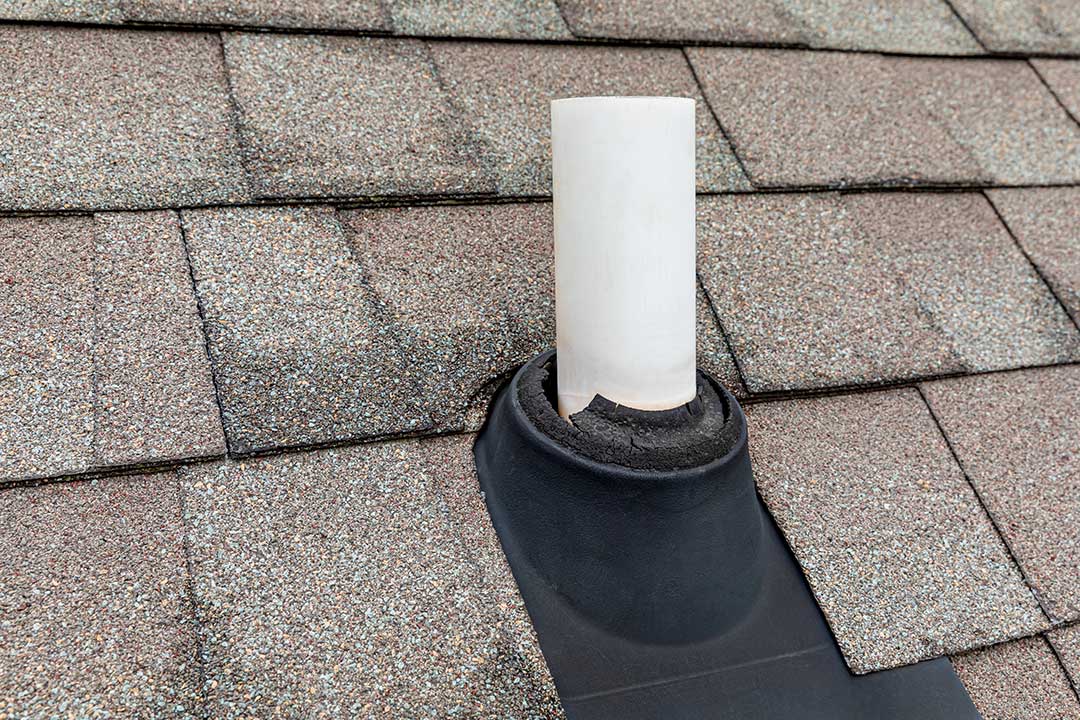
How do snow and ice affect roof energy performance?
Snow can temporarily act as an insulating layer, but it also creates risks when heat escapes unevenly through the roof. Warm areas of the roof can melt snow while colder eaves remain frozen. The water may refreeze near the eaves, contributing to ice dams.
Ice dams are often linked to a combination of:
- Heat loss through the ceiling or roof
- Air leakage into the attic
- Inadequate insulation
- Poor airflow along the underside of the roof
- Heavy snow followed by freezing temperatures
A properly designed roof should not depend on snow for insulation. Reducing heat loss from the living space and keeping the roof assembly at a more consistent temperature can lower the likelihood of uneven melting.
Residents should not climb onto an icy roof or attempt to remove heavy snow with improvised tools. Roof edges, ladders, and overhead snow can create serious hazards.
What roof-related energy improvements are practical for older homes?
Older homes often have a mixture of insulation materials, additions, enclosed roof areas, and previous repairs. A practical review should begin with observation rather than immediate replacement.
Useful questions include:
- Is the attic insulation level consistent from one area to another?
- Are there bare sections near eaves or around attic access points?
- Is roof sheathing discolored or damp?
- Are bathroom or kitchen exhaust fans vented outdoors?
- Can daylight be seen through unintended gaps?
- Are ducts located in a cold attic?
- Does the upper floor become unusually hot in summer or cold in winter?
- Are there signs of past ice dams or recurring roof leaks?
A roof replacement may provide an opportunity to improve insulation or air sealing, but replacing the roof covering alone does not necessarily make a home more energy efficient. Any changes should preserve proper flashing, drainage, ventilation, and moisture control.
What building-code issues should Greene residents understand?
New construction and many renovation projects must follow New York State’s current building and energy requirements. These rules address insulation levels, air barriers, ventilation, moisture control, and roof or ceiling assemblies.
Requirements can differ depending on whether the project involves an attic floor, a vented roof, an unvented roof, or a conditioned attic. Work involving structural changes, electrical equipment, combustion appliances, or enclosed roof assemblies may also require code review or permits.
The 2025 New York State code updates became fully effective on December 31, 2025. Because code requirements can change and project details matter, residents planning substantial roof or insulation work should verify the applicable requirements before construction begins.
Energy efficiency is most reliable when the entire roof system is considered together. In a local climate with cold winters, snow, summer humidity, and wide temperature swings, the goal is not simply to add more insulation. The goal is to control heat flow, air movement, and moisture while keeping the roof structurally sound.
