
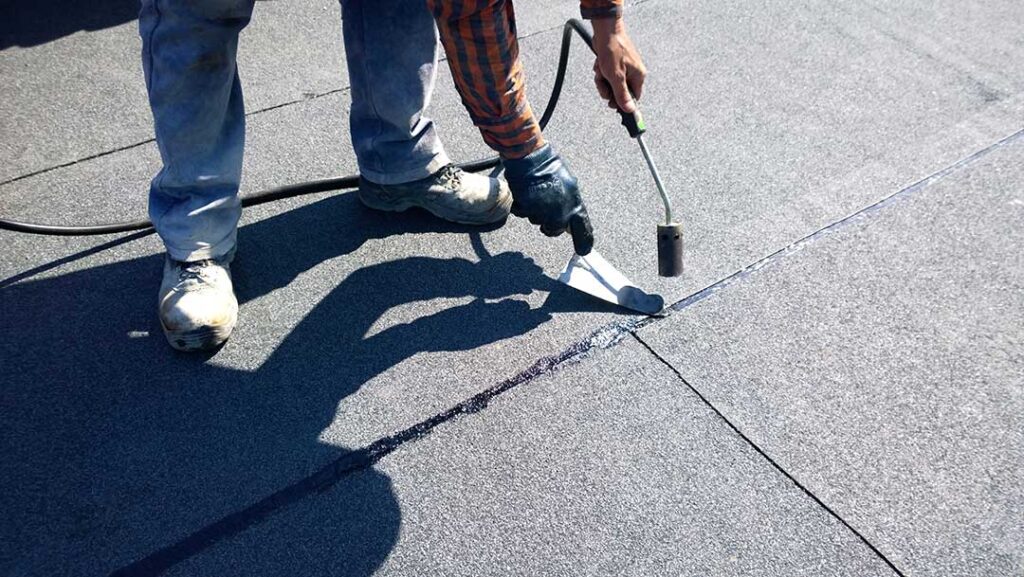
What makes a roofing material durable?
The most durable roofing materials are those that resist water, freeze-thaw cycles, wind, impact, ultraviolet exposure, and gradual deterioration. In Greene, NY, durability also depends on how well a roof handles snow, ice formation, summer heat, changing temperatures, and occasional storm-related debris.
The material itself is only part of the equation. A long-lasting roof also needs:
- A sound roof deck
- Proper underlayment
- Reliable flashing around chimneys, walls, skylights, and plumbing vents
- Adequate attic ventilation
- Fasteners suited to the roofing system
- Installation that follows applicable building-code requirements
- Routine inspection and maintenance
A premium material installed over wet or weakened sheathing may fail sooner than a less expensive material installed correctly on a well-prepared structure.
Which roofing materials generally last the longest?
Natural slate, metal roofing, clay or concrete tile, and some synthetic roofing products are usually considered among the longest-lasting choices. Their suitability depends on roof structure, slope, snow conditions, maintenance expectations, and the building’s design.
Natural slate
Natural slate can last many decades and, with appropriate material selection and care, may remain serviceable for well over 75 years. It resists rot, insects, ultraviolet exposure, and fire.
Its main limitations are weight, brittleness, and installation complexity. Slate can crack if walked on improperly or struck by falling branches. The supporting structure may need to be designed for its substantial weight, and replacement pieces must be handled carefully.
Slate is most practical when a building is structurally suited to it and the roof design allows proper drainage. It is not automatically the best choice for every older home simply because it has a long potential service life.
Metal roofing
Metal roofing can provide several decades of service when the panels, fasteners, coatings, and flashing details are well matched to the building. Standing-seam metal systems are often valued for their continuous seams, limited exposed fasteners, and ability to shed rain and snow.
Metal is resistant to rot and generally handles sunlight well. It can also be installed over some existing roof assemblies when the structure and code requirements permit it. However, metal is not maintenance-free. Fasteners, sealants, penetrations, and areas where dissimilar metals meet require attention over time.
Snow sliding from a smooth metal roof can also create a safety concern near entrances, walkways, lower roofs, and equipment. Snow guards or other design measures may be appropriate depending on the building layout.
Clay and concrete tile
Clay tile is highly resistant to sunlight, fire, insects, and decay. Concrete tile is also durable and can perform well for many decades. Both materials are less vulnerable to the gradual surface wear associated with some asphalt products.
The major concern is weight. Tile roofing can place significant loads on rafters, trusses, and roof decking. Individual tiles can also crack from impact, improper foot traffic, or severe weather. Repairs require compatible replacement materials and careful handling.
Tile is more common on certain architectural styles than on typical wood-framed homes, but it can be a durable option when the roof structure and slope are appropriate.
Synthetic slate and composite roofing
Synthetic slate and composite roofing products are designed to imitate the appearance of natural slate, wood, or tile while reducing weight. Their performance varies substantially by product design, material quality, testing, and installation.
Some products offer strong resistance to impact, moisture, and ultraviolet exposure. Others may become brittle, fade, or crack sooner than expected. Product documentation should be reviewed for temperature performance, impact testing, fire classification, fastening requirements, and expected service life.
A synthetic material should not be judged only by appearance. The roof assembly, accessories, and long-term repairability matter just as much.
Is metal roofing more durable than asphalt shingles?
Metal roofing often has a longer potential service life than standard asphalt shingles, but that does not make it universally better. Asphalt shingles remain practical because they are relatively light, adaptable to many roof shapes, and available in a wide range of performance levels.
Basic asphalt shingles may provide roughly 15 to 25 years of service under favorable conditions. Heavier architectural or impact-rated shingles may last longer, often in the range of 25 to 40 years, depending on ventilation, exposure, installation quality, and maintenance.
Metal roofing may last 40 to 70 years or more, but its actual performance depends on corrosion resistance, coating quality, panel design, fastener condition, and how penetrations are detailed.
For many households, the better question is not simply which material lasts longest. It is whether the roof can be properly supported, repaired, ventilated, and maintained over its expected life.
How does Greene’s seasonal weather affect material choice?
The local climate places repeated stress on roofing systems. Snow and ice add weight, while freezing and thawing can expose weaknesses in flashing, sealants, underlayment, and drainage paths. Wind can lift poorly secured shingles or loosen exposed components. Summer heat and sunlight also age roof surfaces.
Materials should be selected with attention to:
- Roof slope and drainage
- Snow-shedding behavior
- Wind-resistance ratings
- Impact resistance
- Ice-dam protection at eaves and vulnerable roof edges
- Compatibility with existing flashing and ventilation
- The ability to inspect and repair the system safely
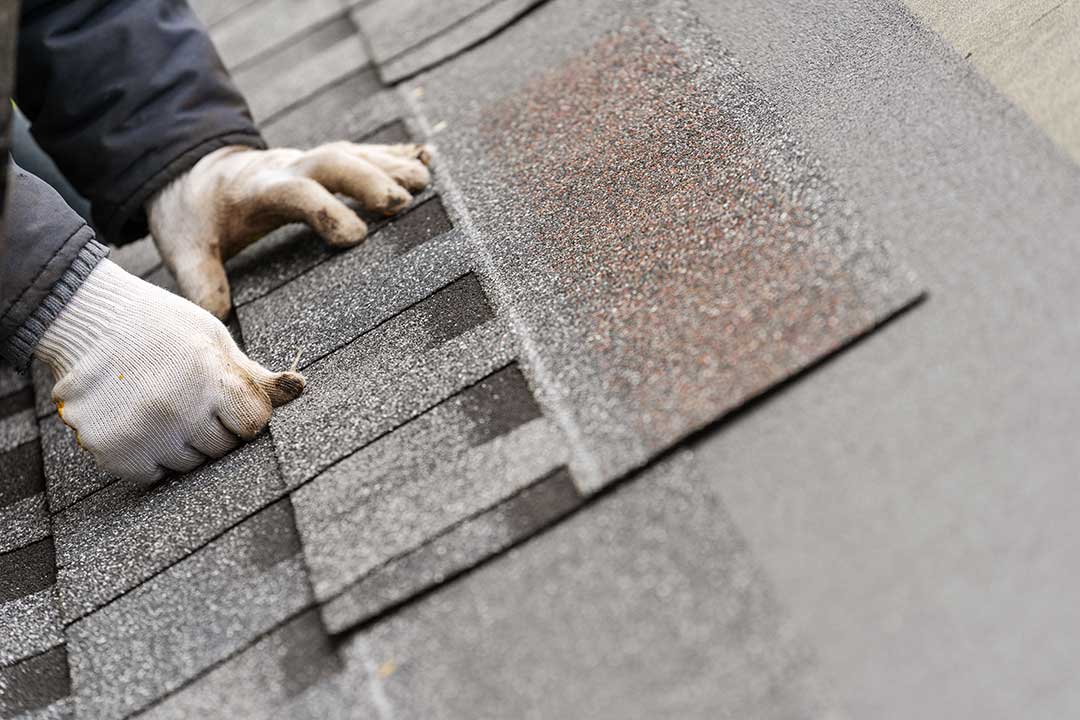
A steep roof may shed snow more readily, but it can also be more difficult to inspect. A low-slope area may need a membrane roofing system rather than shingles, because water drains more slowly and seams require different detailing.
What roofing material is best for an older home?
For an older home, the most durable material is often the one that fits the existing structure and roof design without creating new problems. Structural capacity, roof slope, historic details, existing decking, and attic ventilation should be evaluated before choosing a heavy or specialized system.
Replacing an older roof also presents an opportunity to correct hidden issues such as:
- Soft or water-damaged sheathing
- Inadequate flashing
- Blocked soffit vents
- Poorly sealed plumbing penetrations
- Improperly installed valleys
- Evidence of repeated ice-dam damage
New York’s residential code addresses roof coverings, underlayment, wind resistance, fire classification, and reroofing conditions. Existing slate, clay, or cement tile may have special requirements during replacement or recovery. A new roof should not simply cover deteriorated materials or damaged decking.
Does maintenance affect how long a roof lasts?
Yes. Maintenance can significantly influence service life, especially in a climate with snow, ice, wind, and seasonal temperature changes.
Useful maintenance practices include:
- Keeping gutters and downspouts clear
- Removing leaves and organic debris from roof valleys
- Checking for lifted, cracked, rusted, or missing materials
- Watching for damaged flashing around roof penetrations
- Keeping tree limbs from rubbing against the roof
- Checking attic insulation and ventilation
- Looking for water stains after major storms or periods of snow and ice
Roof surfaces should not be walked on casually. Slate, tile, some metal systems, and aging shingles can be damaged by foot traffic. Snow and ice removal also requires caution because sharp tools and aggressive scraping can harm roofing materials and flashing.
What is the most durable roofing choice overall?
There is no single best material for every building. Natural slate and properly designed metal systems usually offer the longest service potential for many steep-slope applications. Clay and concrete tile can also last for decades when the structure can support them. High-quality synthetic products may provide a useful balance of durability and lower weight. Premium asphalt shingles are often the most adaptable option for ordinary residential roof designs, even though their service life is generally shorter.
The most durable roof is the one whose material, structure, drainage, underlayment, flashing, ventilation, and maintenance plan work together. For area households, that complete system matters more than a product label or a promised lifespan by itself.
