
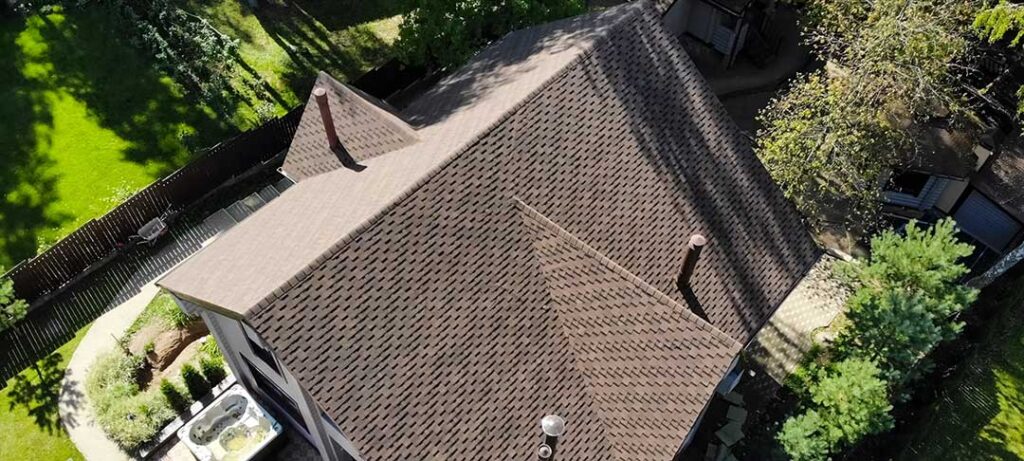
Roof repairs are often needed before the cause is obvious. A small ceiling stain may come from damaged flashing, a failed vent boot, lifted shingles, ice-related movement, or water traveling beneath the roof covering. Choosing the right roofing company means finding a contractor who can identify the actual source of the problem, explain the repair clearly, and complete the work safely.
What should a homeowner check before choosing a roofing company?
Start by confirming that the company has experience with the type of roof and repair involved. A contractor who mainly installs new asphalt shingle roofs may not be the right choice for slate, metal, low-slope, or older roofing systems.
Ask for basic information before agreeing to any work:
- How long the company has performed roof repairs
- Whether the workers are employees or subcontractors
- What types of roofing materials and structures they routinely repair
- Whether the company carries liability insurance and workers’ compensation coverage
- Who will supervise the work
- How the company handles unexpected damage found after materials are removed
A legitimate contractor should be willing to provide written answers. Vague responses, pressure to decide immediately, or reluctance to discuss insurance are reasons to continue looking.
How many roofing companies should be compared?
For a non-emergency repair, comparing at least two or three written evaluations is useful. The goal is not simply to choose the lowest price. Different companies may identify different causes, recommend different repair methods, or include different materials and labor in their proposals.
Each written proposal should describe:
- The suspected source of the leak or damage
- The specific repair being recommended
- Materials to be used
- Whether damaged decking, insulation, flashing, or underlayment is included
- Cleanup and disposal responsibilities
- The expected schedule
- Payment terms
- Any workmanship warranty
A proposal that only says “repair roof leak” does not provide enough detail for a fair comparison.
What questions reveal whether a company understands the problem?
A reliable roofing company should be able to explain how it will investigate the repair. Ask whether the inspection will include the roof surface, flashing, valleys, penetrations, attic space, and the interior area where water has appeared.
The visible stain is not always directly below the roof defect. Water can move along rafters, roof decking, insulation, or framing before entering the living space. A contractor who promises a repair without investigating the surrounding area may be treating the symptom rather than the cause.
Useful questions include:
- What do you believe is allowing water to enter?
- How will you confirm the source?
- Could ventilation, condensation, or ice buildup be contributing?
- Will damaged wood be replaced if it is no longer sound?
- Is this a localized repair or evidence of broader roof deterioration?
- What conditions would make a repair impractical?
Good answers should be specific enough for a homeowner to understand, even if roofing terminology is involved.
Why does local experience matter in Greene, NY?
Roofing conditions in Greene, NY require attention to winter snow, ice, freeze-thaw cycles, wind-driven rain, and summer humidity. These conditions can loosen flashing, split sealants, expose small gaps, and worsen existing defects over time.
Local experience can also help a contractor recognize common construction patterns in the community, including older homes, additions with different roof lines, enclosed porches, chimneys, and roof sections that were repaired at different times. A roof may appear uniform from the ground while containing several layers or different materials.
Local knowledge should not be treated as proof of quality by itself. It is more useful when combined with clear documentation, appropriate insurance, good communication, and a repair plan suited to the structure.
Does roof repair require a permit?
Roofing permit requirements should be verified before work begins. The Town and Village of Greene states that permits are required for roof replacement and roof recover work, with enforcement under the New York State Existing Building Code. Property owners and contractors are responsible for obtaining required approvals before starting covered work.
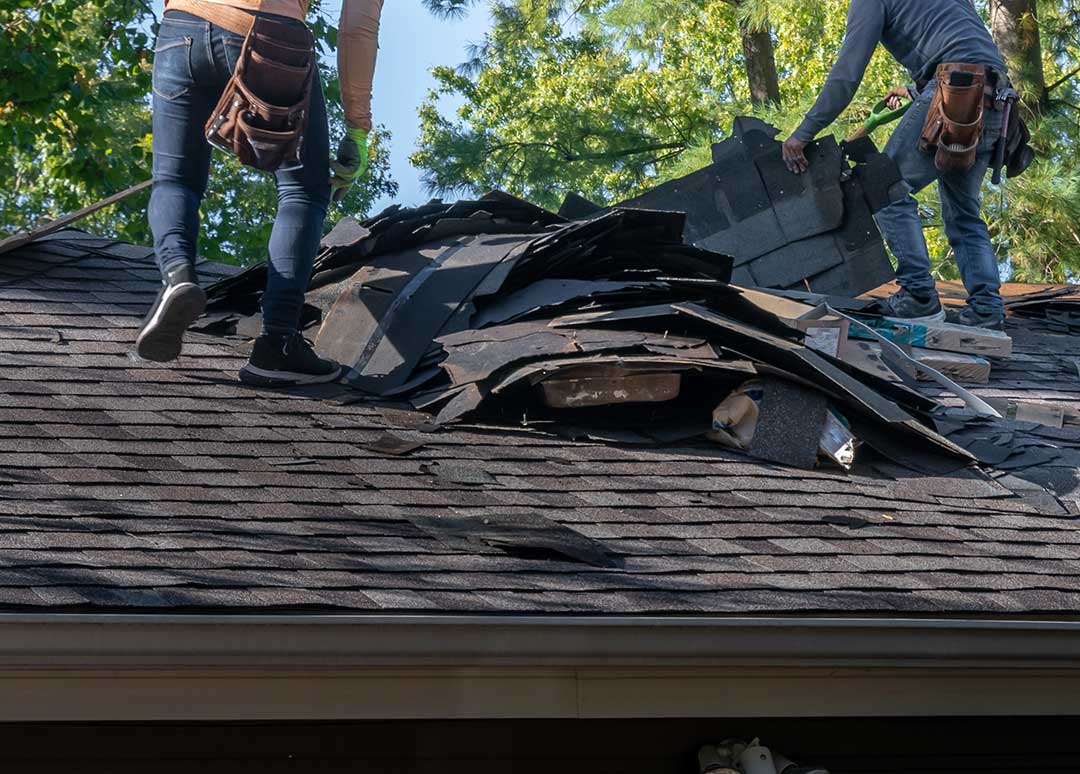
A repair may be treated differently from a full replacement, depending on its scope and the jurisdiction. Ask the roofing company which permits may apply, but confirm the answer with the local code enforcement office when the project involves extensive replacement, structural work, multiple roof layers, or changes to the roof assembly.
A contractor who suggests skipping a required permit may create problems with inspections, insurance claims, future property sales, or later construction work.
How can homeowners verify insurance and business information?
Do not rely only on a logo, vehicle lettering, or an online profile. Ask for current proof of liability insurance and workers’ compensation coverage. The documents should match the legal business name shown on the proposal.
It is also reasonable to check whether the business has a consistent operating history and a physical method of communication beyond a temporary phone number. Reviews can provide useful clues, but they should not be the only source of information. Look for patterns involving unfinished work, unexplained price increases, poor cleanup, or difficulty honoring warranty promises.
References may be especially helpful for complex repairs. Ask whether previous customers had similar roof materials, leak locations, or structural conditions.
What are warning signs of a poor roofing company?
Several warning signs deserve caution:
- A contractor claims the entire roof must be replaced without showing the damaged areas
- The price is offered only verbally
- The company demands full payment before work begins
- The proposal has no business name, address, insurance details, or scope of work
- The contractor insists that a permit is unnecessary without checking local requirements
- The inspection is performed from the driveway without examining the roof or attic
- The company uses storm damage as pressure to make an immediate decision
- The contractor cannot explain who will actually perform the work
- The warranty is described as “lifetime” without written terms
Emergency situations can limit the time available for research, but urgency should not eliminate basic precautions.
What should happen during a roof repair?
Before work begins, confirm how the property will be protected. Roofing repairs may involve falling debris, exposed openings, noise, and damage to landscaping if cleanup is poorly managed.
The contractor should explain how workers will protect siding, windows, plants, vehicles, attic contents, and interior areas below the repair. Afterward, the homeowner should receive an explanation of what was found, what was repaired, and whether any temporary measures remain.
Photographs can be useful, especially when the repair involved hidden areas such as flashing, roof decking, or underlayment. They create a simple record for maintenance and future insurance or property-sale questions.
When is a repair no longer the right solution?
A repair is more likely to make sense when damage is limited, the surrounding roof is in reasonable condition, and the underlying structure remains sound. Replacement may deserve consideration when leaks are widespread, shingles are failing across broad areas, the roof has several layers of aging repairs, or decking and framing have sustained extensive moisture damage.
The decision should be based on the roof’s condition rather than age alone. An older roof with a small, isolated flashing problem may be repairable, while a newer roof with poor installation or widespread storm damage may require more extensive correction.
For area households, the best choice is usually the option that clearly addresses the cause, complies with local requirements, and leaves a written record of the work performed.
