
What is the difference between re-roofing and roof replacement?
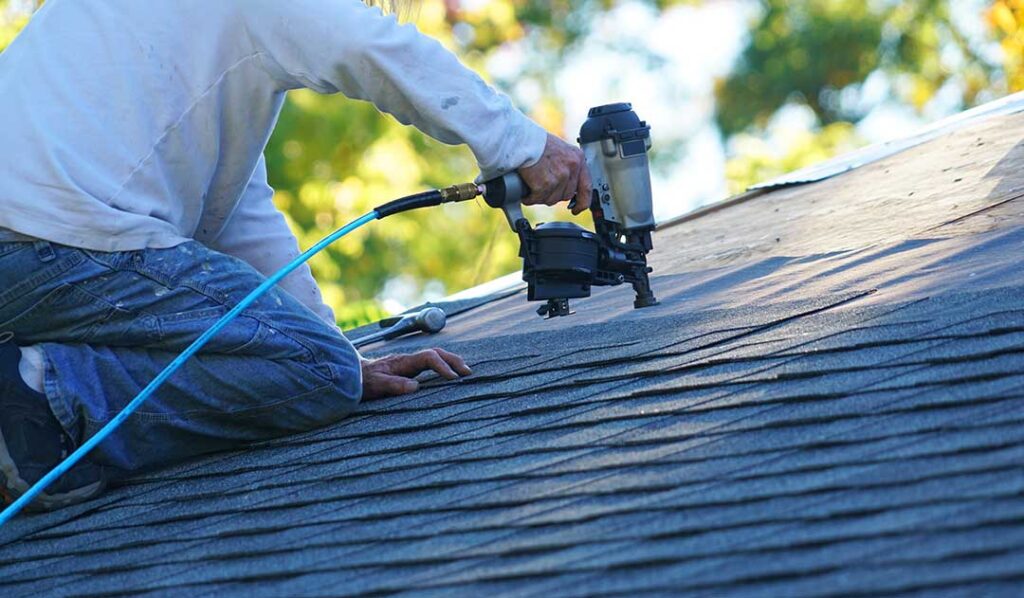
Re-roofing adds a new layer of roofing material over an existing layer, while roof replacement removes the old roofing system before installing new materials. The two approaches can look similar from the ground, but they address very different conditions.
For many homes in Greene, re-roofing may involve installing a second layer of asphalt shingles over an existing layer. Roof replacement is more extensive. It typically includes removing the shingles, underlayment, flashing, and sometimes damaged roof decking so the underlying structure can be inspected and rebuilt where needed.
The right choice depends on the roof’s age, condition, construction, ventilation, local code requirements, and whether moisture has reached the layers beneath the shingles.
When is re-roofing a reasonable option?
Re-roofing is generally considered when the existing roof is nearing the end of its service life but remains flat, dry, and structurally sound. The current shingles should not have widespread curling, severe blistering, missing sections, or signs of water damage.
A second layer may be practical when:
- The existing roof has only one layer of shingles.
- The roof deck is in good condition.
- The shingles are worn but not failing throughout the surface.
- There are no persistent leaks or widespread soft areas.
- The roofline and flashing details can still be properly protected.
- Local building requirements allow another layer.
Re-roofing can reduce labor because the old shingles do not have to be removed. It may also limit the amount of debris produced during the project. However, it does not correct problems hidden below the existing shingles. If the roof deck is rotting or the ventilation is poor, adding another layer can leave those issues in place.
A second layer also adds weight. Most homes can support a properly installed additional shingle layer, but the roof framing and existing materials still need to be considered.
When does a roof need full replacement?
Full replacement is usually necessary when the roofing system has reached the end of its useful life or when damage extends beneath the shingles. A roof that has repeated leaks, extensive deterioration, or multiple layers may no longer be a good candidate for re-roofing.
Replacement is more appropriate when:
- Shingles are brittle, cracking, curling, or losing large amounts of surface granules.
- Leaks appear in several areas or return after temporary repairs.
- The roof deck feels soft or shows staining, rot, or sagging.
- Flashing around chimneys, walls, vents, or roof edges has failed.
- Ice, wind, fallen branches, or heavy snow has caused structural damage.
- The roof already has two or more layers of shingles.
- The roof has poor ventilation or a design problem that needs correction.
- Interior ceilings or attic areas show ongoing moisture intrusion.
A complete replacement provides an opportunity to inspect the roof deck directly. Damaged decking can be removed and repaired, and the underlayment, flashing, ventilation, and edge details can be installed correctly rather than covered by another layer.
How do Greene’s seasonal conditions affect the decision?
Roofing materials in Greene must handle changing conditions throughout the year. Freeze-thaw cycles, winter snow, spring rain, summer heat, wind, and falling leaves can all affect the roof system.
Moisture is especially significant during periods when temperatures move above and below freezing. Water can enter small cracks or damaged seams, freeze, expand, and gradually worsen the opening. A second layer of shingles may cover visible wear but will not stop movement or deterioration below the surface.
Snow and ice can also expose weaknesses around roof edges, valleys, chimneys, plumbing vents, and other transitions. If the existing flashing is already failing, re-roofing without addressing it may result in a newer-looking roof that continues to leak.
Seasonal shade and dampness can contribute to moss or algae growth in areas that remain wet. Growth on the surface does not automatically mean the roof needs replacement, but widespread growth may hold moisture against aging shingles and should be evaluated along with the roof’s overall condition.
Does re-roofing last as long as replacement?
A properly installed re-roof can provide useful additional service life, but it generally does not offer the same inspection and correction opportunities as a full replacement. The new layer depends on the condition and flatness of the old layer beneath it.
If the existing shingles are already distorted, the new shingles may not lie evenly. Uneven surfaces can affect appearance, fastening, drainage, and resistance to wind. The added layer may also make future repairs more difficult because the source of a leak can be harder to identify.
A full replacement begins with a clean roof deck. That does not guarantee that every roof will last the same length of time, since installation quality, attic ventilation, material selection, weather exposure, and maintenance all matter. It does provide a more complete starting point.
Can a roof be re-roofed if it has a leak?
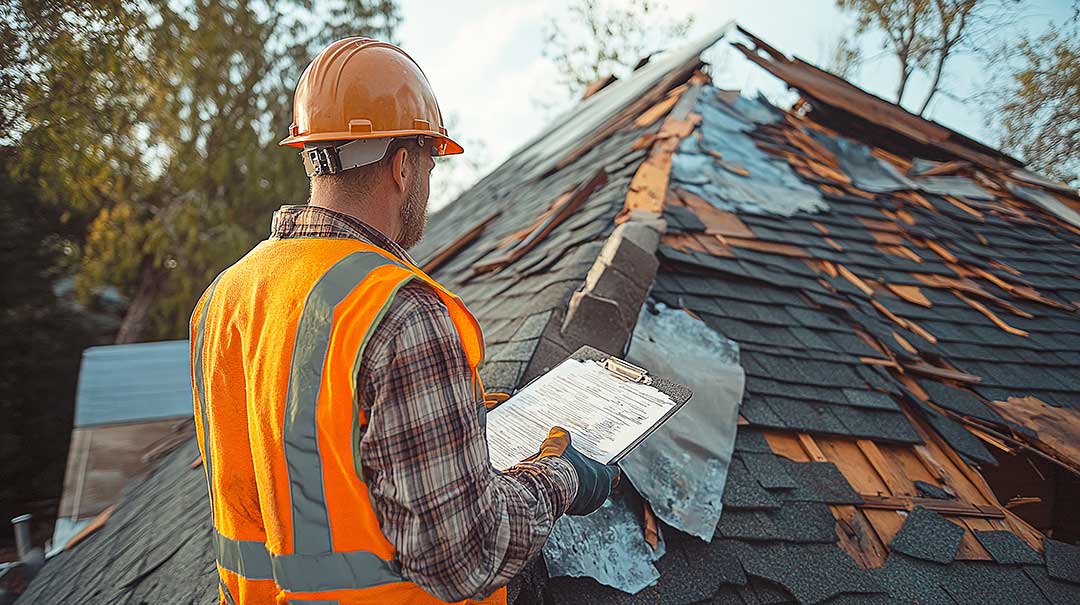
Sometimes, but a leak must be traced before deciding. A small, isolated leak may come from damaged flashing, a roof penetration, or a limited area of shingles rather than a roof that needs an entirely new covering.
Re-roofing over an active leak is risky because it can conceal the visible symptom without repairing the source. Water may continue moving through the underlayment, roof decking, insulation, or wall cavities. Over time, hidden moisture can contribute to wood decay, mold growth, damaged insulation, and interior staining.
Leaks near chimneys, valleys, roof-to-wall intersections, and vents deserve particular attention because these areas depend heavily on properly installed flashing. A roof surface can appear serviceable while these details are already failing.
What is the difference in cost and disruption?
Re-roofing is often less disruptive because it requires fewer removal and disposal steps. The project may also take less time when the roof is simple and the existing layer is suitable for covering.
Full replacement usually involves more labor, more material handling, and more debris. The process can expose the home to weather temporarily, so installation sequencing and weather conditions matter. Despite the greater initial disruption, replacement may prevent the added expense of repairing hidden damage later.
The lowest initial cost is not always the lowest long-term cost. If re-roofing lasts only a short time because the old roof deck, flashing, or ventilation remains defective, another project may be needed sooner than expected.
What should be checked before choosing?
The decision should be based on the entire roofing system rather than shingle appearance alone. Useful questions include:
- How many roofing layers are already present?
- Is the roof deck flat, dry, and structurally sound?
- Are there active or recurring leaks?
- Are the flashing and roof penetrations in good condition?
- Does the attic have adequate ventilation?
- Are gutters, drip edges, and roof drainage functioning properly?
- Has wind or winter weather caused concealed damage?
- Are there local requirements that limit the number of roofing layers?
- Will the roof structure support the additional weight?
A roof inspection may include looking at the attic, roof edges, valleys, flashing, and the underside of the decking—not just viewing the shingles from the ground. In older homes, this broader review can reveal problems that are not visible on the exterior.
Can re-roofing and replacement be combined?
Yes. Some roofs may receive a new shingle layer over sound portions while damaged sections are removed and repaired, but this depends on the roof’s design and the extent of deterioration. In other cases, partial replacement may be possible, particularly after localized storm damage, although matching older shingles can be difficult.
The key distinction is whether the existing roof can safely serve as a stable base. Re-roofing is a covering strategy. Full replacement is a system-level repair that allows the underlying components to be examined and renewed. Understanding that difference helps homeowners make a decision based on roof condition rather than appearance alone.
