
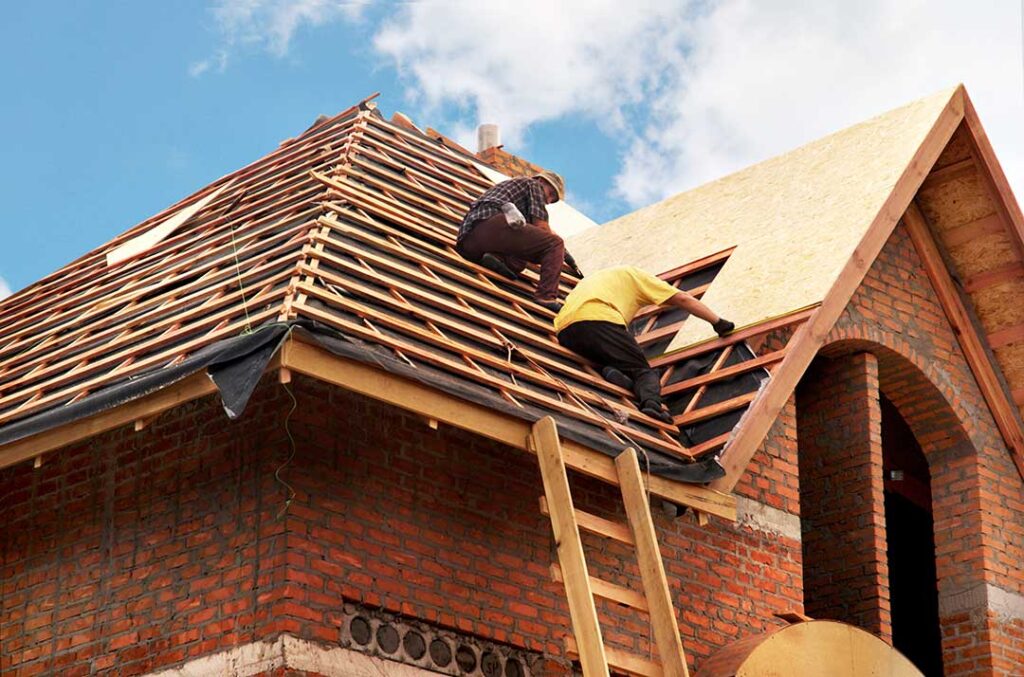
Roof work is rarely a routine household task. A roof may look dry and stable from the ground while hiding slick surfaces, weakened decking, loose materials, or fall hazards near the edges. For residents of Greene, NY, seasonal snow, ice, wind, rain, and rapid temperature changes can make rooftop access especially unpredictable.
The safest approach is to inspect from the ground whenever possible and avoid climbing onto a roof unless the task is necessary, conditions are favorable, and the person doing the work has the right equipment and experience.
Is it safe for a homeowner to walk on the roof?
A homeowner should not assume that a roof is safe to walk on simply because it appears intact. Roof slopes, wet shingles, moss, frost, loose granules, and hidden damage can all cause a sudden loss of footing.
Avoid walking on the roof when:
- Shingles, metal panels, or roofing membranes are wet, icy, frosted, or covered with moss
- Wind is strong enough to affect balance or move loose materials
- Rain, snow, or freezing temperatures are present
- The roof has visible sagging, exposed decking, missing sections, or storm damage
- You are carrying tools or materials that require both hands
- You are unfamiliar with the roof’s slope, edge conditions, or structural history
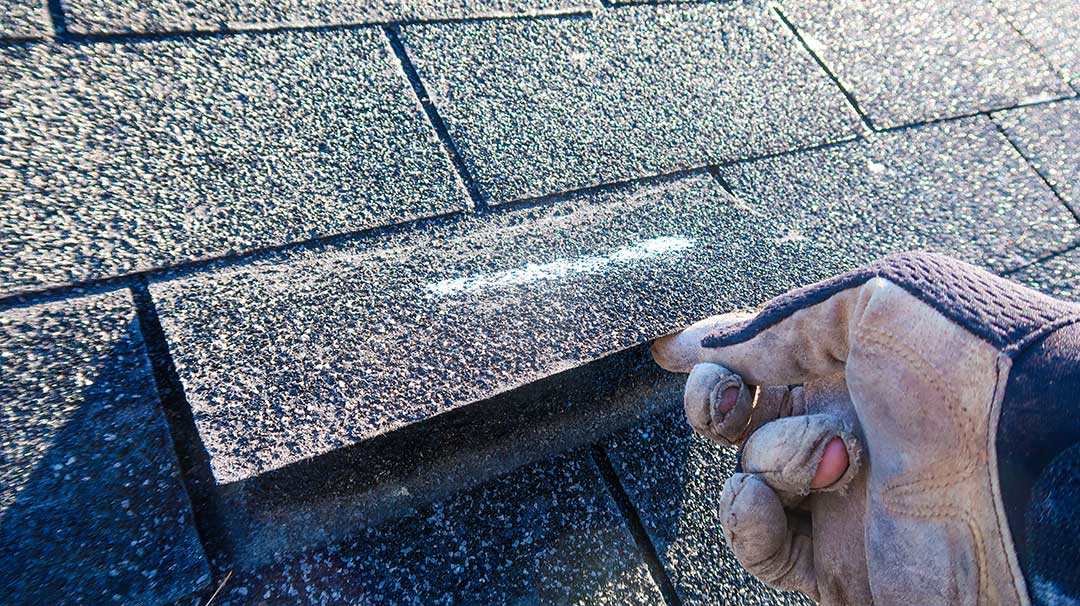
A roof can also be damaged by foot traffic. Asphalt shingles may lose protective granules, older materials can crack, and fragile areas around skylights, vents, valleys, and roof edges may not support a person safely.
What should be checked before using a ladder?
Ladder safety begins before the ladder is opened. Inspect the rails, rungs, feet, locks, and hardware for damage. Do not use a ladder with bent components, missing feet, oil or mud on the rungs, or weak locking mechanisms.
Set the ladder on firm, level ground. Snow, frozen soil, mulch, loose gravel, and uneven landscaping can allow the base to shift. Never place a ladder on boxes, buckets, lumber, ice, or other objects to gain extra height.
Before climbing:
- Keep the ladder away from overhead electrical wires
- Confirm that the top rests against a stable surface
- Face the ladder while climbing
- Maintain three points of contact—two hands and one foot, or two feet and one hand
- Keep your belt buckle between the rails rather than leaning to either side
- Have another adult stabilize the ladder when practical
- Keep the area below clear of children, pets, and foot traffic
A step ladder should be fully opened and locked. Never stand on the top cap or the highest step that is not designed for standing. An extension ladder should extend above the upper landing far enough to provide a secure handhold when stepping off, but climbing onto a roof from a portable ladder remains a significant risk.
How should gutters and low roof areas be cleaned?
Gutter cleaning is often the reason homeowners climb near a roof edge, but it still presents a fall hazard. A ladder stabilizer, proper footwear, and a second person nearby can reduce risk, but they do not eliminate it.
Do not overreach from a ladder. Climb down and reposition it instead. Use tools that allow debris removal from a stable position, and avoid throwing wet leaves or ice where they may strike people below or create slippery walkways.
For homes with tall elevations, steep slopes, dormers, porches, or difficult access, cleaning from the ground with an extension tool may be safer than climbing. If ice has formed in gutters or along the eaves, attempting to chip it away from a ladder can cause sudden movement and falling debris.
What equipment is needed for roof work?
Basic household clothing is not enough for rooftop work. Shoes should have clean, slip-resistant soles and fit securely. Soft-soled footwear may provide better traction than worn work boots, but no shoe makes an icy or wet roof safe.
Depending on the task, safe work may require:
- A properly selected and secured ladder
- A stable work platform or scaffold
- Roof brackets or walk boards designed for the specific roof
- Guardrails or other edge protection
- A properly fitted fall-arrest or fall-restraint system
- Eye protection, gloves, and hearing protection for cutting or drilling
- A tool belt or controlled lifting method so hands remain available for climbing
A harness and rope are not automatically safe merely because they are being worn. Fall-protection equipment must be compatible, correctly fitted, attached to a suitable anchor, and used according to its instructions. A chimney, vent pipe, fascia board, plumbing stack, or random structural member should never be treated as an anchor without proper verification.
How can homeowners avoid electrical and fire hazards?
Ladders and long-handled tools must stay clear of overhead electrical lines. Metal ladders and ladders with metal components can conduct electricity, and contact may be fatal even if the person does not directly touch the wire.
Keep roofing tools away from service drops, exterior wiring, and electrical equipment. Do not use power tools in wet conditions or with damaged cords. Outdoor receptacles should have appropriate ground-fault protection, and extension cords should be rated for the equipment and environment.
Heat-producing tools also require caution. Roofing torches, heat guns, and similar equipment can ignite dry materials, attic dust, insulation, leaves, or hidden wood. Keep fire extinguishing equipment available where appropriate, and never leave hot tools unattended.
What should be done after wind, hail, or heavy snow?
Storm damage should first be assessed from the ground. Look for missing or displaced shingles, loose metal, damaged flashing, fallen branches, exposed underlayment, dents, water staining, and debris in the yard.
After heavy snow or ice, do not climb onto the roof to remove accumulated material without a carefully planned system. Snow can conceal weak areas and make footing unstable. Roof raking from the ground may be suitable for some low-slope areas, but pulling snow from above can damage shingles, gutters, siding, windows, or people below.
A ceiling stain, active drip, sagging area, or visible opening should be treated as more than a cosmetic problem. Keep people away from the affected area inside and outside, place containers under leaks where safe, and avoid entering a damaged roof or attic area if structural failure is possible.
When should a homeowner stay off the roof?
A homeowner should avoid rooftop access when the roof is steep, high, deteriorated, icy, or visibly damaged. The same applies when a task requires carrying heavy materials, working near an unprotected edge, using power equipment, or moving across an unfamiliar surface.
Work involving structural repairs, skylights, chimney areas, electrical equipment, or fall-protection anchors can create hazards that are difficult to judge from the ground. Stopping before a risky climb is often the safest decision.
Routine visual checks from the yard, attic, or upper windows can identify many warning signs without putting anyone on the roof. In a community that experiences winter weather and changing conditions, choosing not to climb during unsafe conditions is an essential part of responsible home maintenance.
