
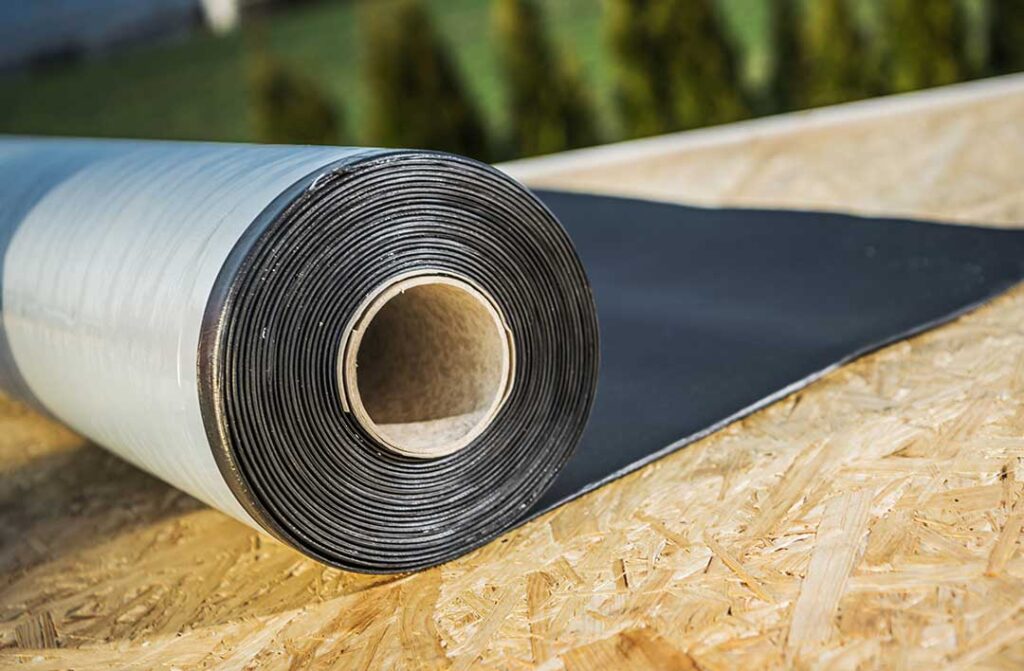
What should a roof color do for a home?
The right roof color should complement the house, suit the surrounding landscape, and remain practical through changing weather. It also needs to work with exterior features that are expensive or difficult to replace, such as siding, brick, stone, trim, gutters, and permanent landscaping.
In Greene, NY, homeowners often consider a roof while also thinking about snow, seasonal shade, wooded surroundings, and the character of older or newer homes. A color that looks attractive in a small sample may appear very different across an entire roof, especially under bright summer sun or a gray winter sky.
Roof color is mostly an appearance decision, but it can also influence how much heat a roof absorbs, how visible surface variation becomes, and how easily dirt or natural debris can be noticed.
How do you match a roof color to siding?
Start with the siding color, then compare the roof as a supporting element rather than the main focal point. Most successful combinations create a clear relationship between the roof and walls without making every exterior feature the same shade.
Common pairings include:
- White or light siding: Charcoal, medium gray, brown, and weathered wood tones can all work, depending on trim and masonry.
- Gray siding: Dark gray, black, muted brown, and blended gray roofs often create a balanced appearance.
- Blue siding: Slate gray, charcoal, and certain brown-gray blends usually coordinate better than strongly warm colors.
- Tan, beige, or cream siding: Brown, weathered wood, gray, and dark neutral roofs are common choices.
- Green siding: Deep brown, charcoal, and darker green-gray blends can support the natural character of the exterior.
- Brick or stone exteriors: A roof color should pick up one of the quieter tones in the masonry instead of competing with its varied texture.
A useful rule is to repeat at least one exterior color. For example, a roof with brown undertones may connect with a wood door, stone foundation, or warm-colored trim. A gray roof may coordinate with metal details, cool siding, or gray tones found in masonry.
Should a roof be lighter or darker than the house?
A roof is often most visually appealing when it provides moderate contrast with the siding. A very dark roof can make a light-colored home look crisp and defined, while a medium or lighter roof may soften a darker exterior.
The size and shape of the roof matter as well. A large, steep roof occupies a significant portion of the visible exterior, so a dramatic color may have a stronger effect than expected. On a small roof with many dormers, valleys, and intersecting sections, a blended or mid-range color can help the design look less busy.
Dark colors tend to emphasize the roofline and can make a low-pitched roof appear more substantial. Lighter colors may make the roof seem less visually dominant. Neither approach is automatically better; the goal is to decide whether the roof should stand out or quietly support the rest of the house.
Does roof color affect indoor temperature?
Roof color can affect how much solar energy the roofing surface absorbs, but it is only one part of a home’s temperature performance. Attic insulation, ventilation, air sealing, roof pitch, tree cover, window placement, and exterior wall color may have equal or greater effects.
In general, darker roofing materials absorb more sunlight and may become warmer during sunny weather. Lighter colors reflect more sunlight and may reduce heat gain under certain conditions. In a climate with cold winters, however, heating and cooling needs vary by season, and a roof should not be selected on color alone.
Proper attic insulation and ventilation are more dependable ways to improve comfort and manage heat. Roof color should be treated as a secondary energy consideration unless the property has unusual exposure or specific energy goals.
How do seasonal conditions affect the choice?
A roof in Greene, NY must remain visually appropriate through bright summer conditions, colorful autumn foliage, snow cover, and long periods of overcast weather. The same color can look warmer, cooler, lighter, or darker depending on the season.
Natural surroundings also influence how a roof is perceived. Homes near mature trees may look well suited to brown, gray, green-gray, or weathered blends. A roof with strong red or orange undertones may appear more noticeable against a wooded setting, especially when leaves are gone.
Snow can temporarily cover much of the roof, but exposed areas, roof edges, dormers, and lower slopes remain visible. Dark roofs often create strong contrast against snow, while medium blended colors may produce a softer appearance.
Debris is another practical consideration. Dark, solid colors may show pale residue or lichen more clearly. Very light colors can show dark organic debris. A blended color often disguises minor variation better than a uniform shade, although no roof color prevents moss, algae, or debris accumulation.
Are some colors better for older homes?
Older homes often benefit from roof colors that respect their original proportions and materials. A highly contrasting roof can make a traditional house look visually divided, while a muted color may better connect the roof with wood siding, stone, brick, or historic trim.
For homes with architectural details, consider the roof’s relationship to:
- Dormers, gables, and porches
- Decorative trim and shutters
- Chimneys and masonry
- Foundation color
- Existing metalwork and gutters
- Nearby mature trees and landscape features
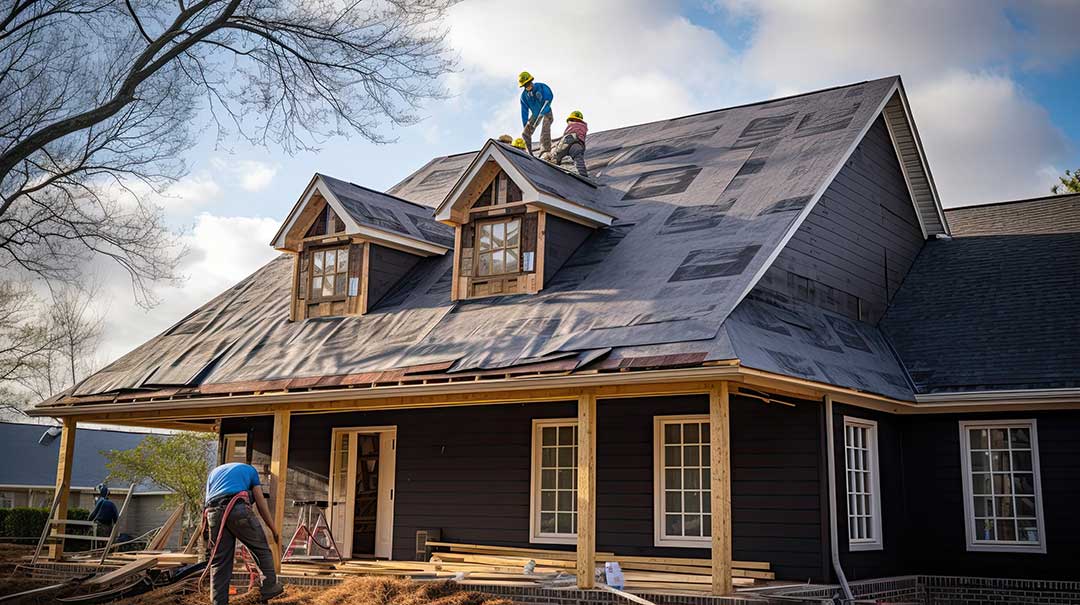
A roof does not need to look historically exact to suit an older home. It should, however, avoid competing with distinctive features that already give the house its character.
How should you test roof colors before deciding?
Small samples can be misleading. A color that seems neutral on a sample board may show noticeable blue, red, green, or brown undertones once spread across a large roof.
Before making a decision, view samples:
- In direct morning and afternoon sunlight
- Under cloudy conditions
- Beside the home’s siding and trim
- Near brick, stone, or the foundation
- From the street and from the front walk
- With existing landscaping visible
Look at the sample from several distances. Roofs are usually seen from the ground, not from close range, so the overall impression matters more than the texture of an individual shingle.
It is also useful to compare the proposed color with neighboring homes without copying them. A roof should fit the broader character of the street while still working with the specific house.
Do local rules affect roof color?
Many residential roof color decisions are private design choices, but restrictions may apply in some neighborhoods, planned developments, historic districts, or properties governed by association rules. Requirements can also concern roofing materials, reflectivity, fire performance, or installation details rather than color alone.
Before ordering materials, review any property-specific rules, especially if the home is part of a development or has preservation requirements. Confirming those details early can prevent an otherwise attractive choice from creating a compliance problem.
What is the safest overall approach?
Choose a roof color that supports the home’s permanent features, looks reasonable in every season, and does not depend on a short-lived trend. Neutral and moderately blended colors are generally easier to live with because they coordinate with future changes to doors, shutters, landscaping, or exterior paint.
The strongest choice is usually not the most eye-catching sample. It is the color that looks balanced from the street, works with the home’s materials, and remains comfortable through the changing light and weather typical of the local area.
