
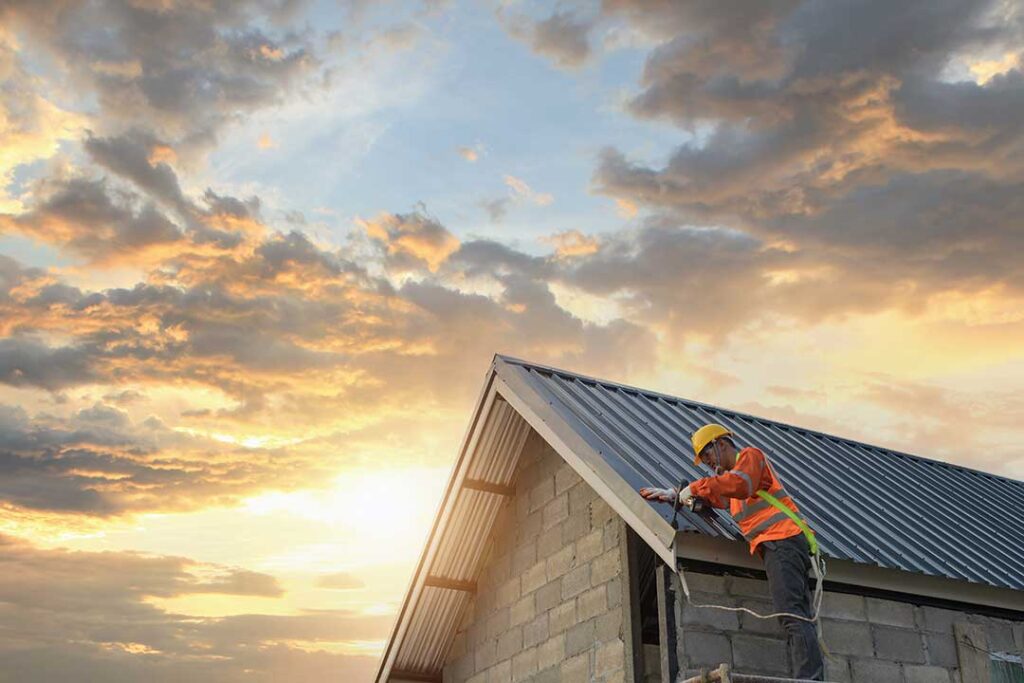
What is a roof inspection, and why does it matter?
A roof inspection is a careful review of the roof’s exterior, attic, drainage system, and related areas to identify damage, aging, moisture entry, and safety concerns. It is more detailed than looking up from the yard, but it does not always require walking on the roof.
For homeowners in Greene, NY, inspections are especially useful after winter weather, strong wind, heavy rain, or repeated freeze-thaw cycles. Ice, snow, falling branches, and temperature changes can affect shingles, flashing, gutters, and roof edges even when damage is not immediately visible from the ground.
A timely inspection can help distinguish between:
- Minor maintenance that should be monitored
- Repairs that should be addressed soon
- Conditions that may allow water or air to enter the home
- A roof that is nearing the end of its useful service life
An inspection is not the same as a warranty review, insurance determination, or full structural evaluation. If serious structural movement, widespread mold, or major interior water damage is present, additional evaluation may be needed.
How often should a homeowner inspect a roof?
Most homeowners should perform a basic visual check twice a year, commonly in spring and fall. A closer inspection is also sensible after a severe storm, unusually heavy snowfall, or a nearby tree limb falling.
Spring inspections can reveal:
- Shingles loosened or damaged by winter weather
- Bent or displaced flashing
- Ice-dam-related staining or leakage
- Clogged gutters and downspouts
- Moss or organic debris that held moisture against roofing materials
Fall inspections help identify conditions before snow and ice arrive. Leaves can cover valleys, gutters, and roof edges, making it harder for water to drain properly. Trimming branches that overhang the roof can also reduce the risk of impact damage and excess debris.
A roof that is newer, well maintained, and free of warning signs may not require a detailed inspection every year. Older roofs, roofs with a history of leaks, and roofs beneath large trees deserve closer attention.
What should be checked from the ground?
A ground-level inspection is safer than climbing onto a roof and can reveal many problems. Use binoculars if necessary, but avoid standing under unstable branches or walking near visibly damaged areas.
Look for:
- Missing, cracked, curled, or lifted shingles
- Dark patches or areas that appear smoother than surrounding shingles
- Exposed fasteners or roofing underlayment
- Sagging along the roofline or between supports
- Damaged soffits, fascia, gutters, or downspouts
- Rusted, loose, or displaced flashing around roof penetrations
- Granules collecting at the ends of downspouts
- Moss, algae, or heavy leaf buildup
- Daylight visible beneath roof edges or through exterior trim
Not every dark mark indicates a leak. Shading, natural aging, and surface discoloration can look similar to water damage. The location and pattern matter. A stain near a chimney, vent, valley, or roof-wall intersection deserves closer attention because those areas have more potential entry points.
What should be checked inside the attic?
The attic often provides the clearest evidence of a roof problem. Inspect during daylight with a flashlight, stepping only on structural framing or an installed walking surface. Attic insulation can hide gaps, wiring, or areas that cannot safely support weight.
Check for:
- Damp or compressed insulation
- Water stains on rafters, roof decking, or wall plates
- Rust around nails or metal fasteners
- Darkened wood or visible mold growth
- Condensation on the underside of the roof deck
- Musty odors
- Daylight entering through areas that should be sealed
- Blocked or inadequate ventilation openings
A water stain does not always appear directly below the point where water entered. Water can travel along roof decking, rafters, insulation, or framing before becoming visible. For that reason, interior staining should be considered evidence of a moisture path, not proof that the roof surface immediately above the stain is the only problem.
Condensation can also be mistaken for a roof leak. Warm, moist household air may enter a cold attic and form water droplets on the underside of the roof deck. Bathroom exhaust fans that discharge into the attic, blocked soffit vents, and inadequate air sealing can contribute to this condition.
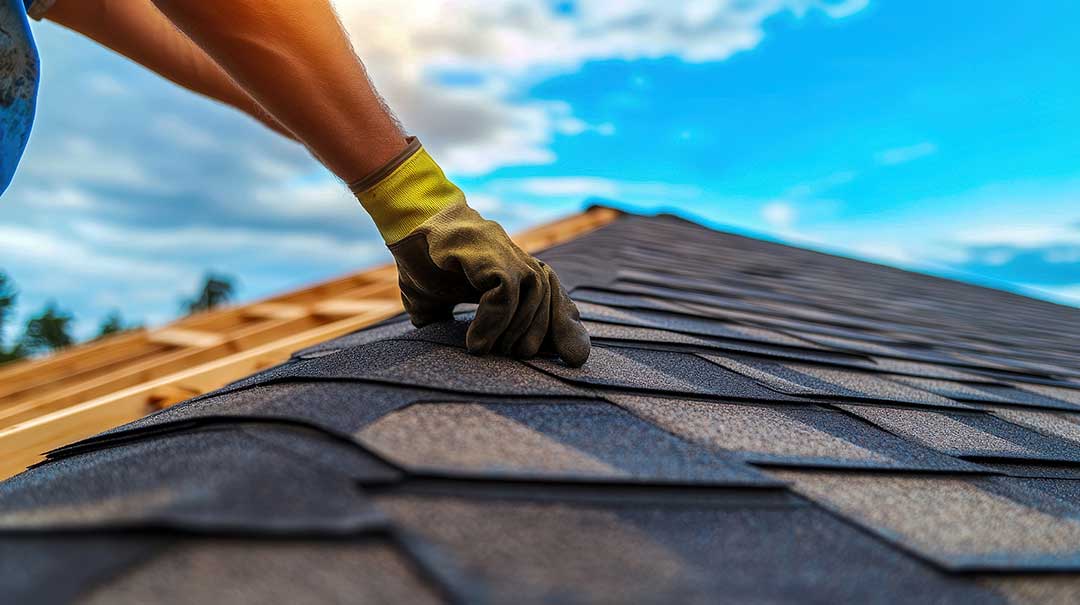
Which roof areas deserve the most attention?
Some parts of a roof are more vulnerable because they collect water, meet another material, or contain an opening.
Pay particular attention to:
Valleys
Valleys carry water from two roof slopes. Leaves, ice, and damaged shingles can interfere with drainage. Cracked or exposed materials in a valley may allow water to reach the underlayment or decking.
Flashing
Flashing is installed around chimneys, sidewalls, roof-to-wall transitions, skylights, and many vents. Gaps, corrosion, lifted edges, and failed sealant can create leaks. Sealant alone is not always a lasting repair if the underlying flashing is loose or improperly installed.
Roof edges
The eaves and rakes are exposed to wind and ice. Damaged drip-edge metal, loose shingles, and deteriorated fascia can allow water to reach wood components.
Penetrations
Plumbing vents, exhaust vents, satellite mounts, and other penetrations interrupt the roof surface. Their boots, collars, or surrounding flashing should be checked for cracking and separation.
Gutters and downspouts
A roof inspection should include drainage. Gutters that sag, overflow, or pull away from the fascia can contribute to wet walls, basement moisture, soil erosion, and ice formation along the roof edge.
What does storm or winter damage look like?
Storm damage is not always dramatic. Wind can lift shingle edges without removing the entire shingle. Hail may leave small impact marks, bruising, or exposed matting. Heavy snow can stress weak areas, while ice dams may force water beneath shingles and into the attic.
After severe weather, look for:
- Shingles found in the yard or driveway
- Uneven rows or lifted shingle corners
- Dents or impact marks on metal surfaces
- Broken vent caps or damaged flashing
- Fallen branches or scraped roofing
- New ceiling stains or attic moisture
- Gutters containing unusual amounts of roofing granules
Do not climb onto a roof to inspect suspected storm damage. Wet surfaces, hidden structural damage, and loose materials create fall hazards. Interior staining and active dripping should be documented with photographs, while electrical fixtures affected by water should be avoided until the area is safe.
When is a roof inspection urgent?
Some conditions should not wait for a routine seasonal check. Prompt attention is warranted when there is active leaking, a sagging roofline, a large missing area of roofing, exposed decking, a fallen tree limb, or water near electrical equipment.
An inspection is also prudent before buying or selling a home, after a major renovation that affects roof penetrations, or when an older roof begins showing several unrelated warning signs. A written inspection record with dated photographs can help track changes over time, especially when deciding whether a condition is stable or worsening.
What can homeowners safely do themselves?
Homeowners can safely perform many ground-level checks, clear small amounts of accessible gutter debris from stable locations, keep attic vents unobstructed, and watch for changes after storms. Cleaning should never involve standing on an unstable ladder, walking on a steep or wet roof, or working near overhead electrical lines.
Roof surfaces become more dangerous with moisture, frost, moss, steep slopes, and hidden damage. If inspection requires walking on the roof, entering a confined or unstable attic area, or evaluating structural movement, safety should take priority over convenience. A qualified roofing or building professional may be necessary when the condition cannot be assessed safely from the ground or interior.
Keeping inspection notes, photographs, repair records, and approximate roof age gives homeowners a clearer picture of how the roof is performing through Greene’s changing seasons. It also makes it easier to recognize whether a small maintenance issue is remaining stable or developing into a larger moisture problem.
