
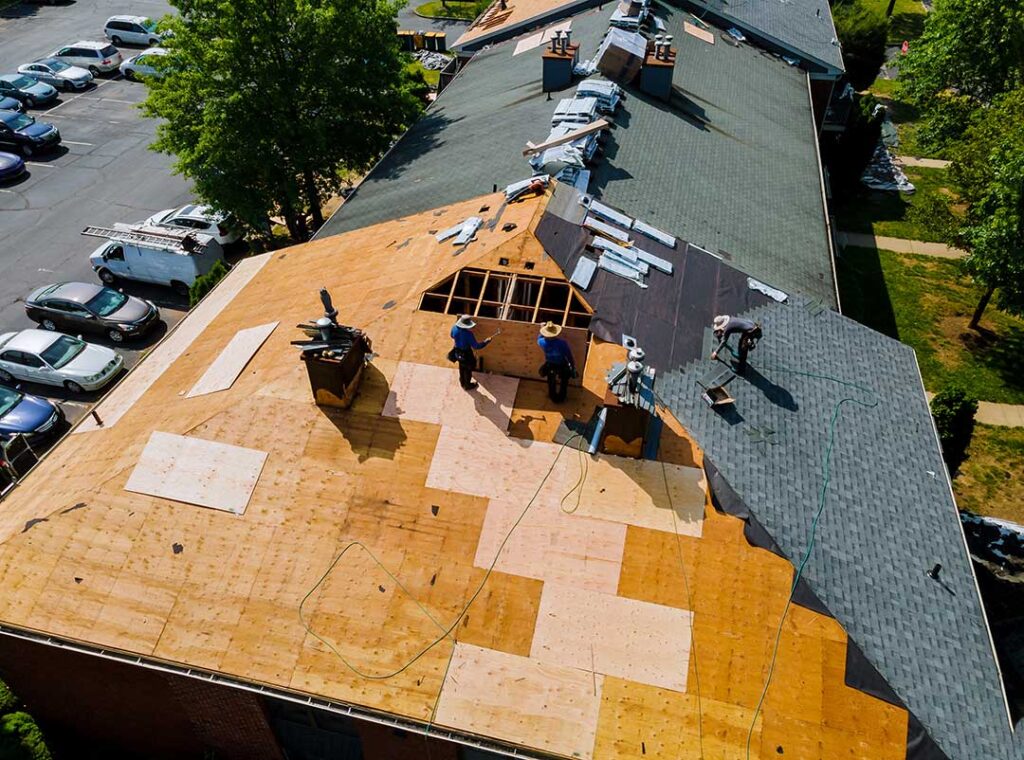
What Is Roof Decking?
Roof decking is the structural layer installed over the roof framing and beneath the underlayment and shingles. It provides the solid surface that supports the roofing materials and helps transfer the weight of snow, ice, rain, and maintenance activity to the roof structure.
In many homes, decking is made from plywood or oriented strand board. Older properties may contain boards installed individually rather than large panels. Either type can remain serviceable for decades, but repeated moisture exposure, poor ventilation, storm damage, and long-term wear can weaken it.
Roof decking is not usually visible from the ground. Problems often become apparent through changes in the roof surface, attic, ceilings, or upper walls.
What Are the Most Visible Signs of Damaged Decking?
A sagging roof surface is one of the clearest warning signs. If part of the roof appears lower than the surrounding area, the decking may have weakened, the framing may be affected, or moisture may have accumulated beneath the roofing materials.
Other exterior clues include:
- Shingles that appear wavy, uneven, or depressed in one area
- Roof sections that dip between rafters or trusses
- Loose or shifting shingles
- Nail heads that have pulled upward
- Repeatedly damaged shingles in the same location
- Soft-looking areas along roof edges, valleys, or around penetrations
- Visible damage after a fallen branch, heavy snow load, or severe wind
An uneven appearance does not always prove that the decking is failing. Roofing materials can wrinkle or move for other reasons. However, a visible depression that remains after the roof dries deserves closer attention.
How Can the Attic Reveal a Decking Problem?
The attic often provides earlier evidence than the exterior. During a careful visual inspection from inside the attic, look for dark staining, discoloration, mold-like growth, or damp wood on the underside of the decking.
Additional warning signs include:
- Water marks that spread outward from a nail or roof penetration
- Light showing through a roof panel or board
- Wood that looks swollen, delaminated, split, or crumbly
- Rusted fasteners
- Damp insulation beneath a roof slope
- A musty odor that becomes stronger after rain
- Drips or wet areas following snowmelt
A single stain may reflect an old leak rather than an active one, but stained wood can still be weakened. Moisture may also travel along rafters before appearing in the attic, so the location of an interior mark is not always directly below the roof opening.
Attic inspections should be performed only where safe footing is available. Stepping between framing members can damage ceilings or cause a fall.
Can Interior Ceiling Stains Mean the Decking Is Failing?
They can, although a ceiling stain does not identify the exact source by itself. Brown or yellow discoloration, bubbling paint, peeling drywall, and damp insulation may indicate water entering through the roof system.
Water may pass through damaged decking, but it can also enter through flashing, valleys, roof penetrations, or deteriorated shingles. In some cases, the decking is only one part of a larger moisture problem.
Pay particular attention to stains that:
- Reappear after rain
- Grow larger over time
- Develop near an exterior wall or upper-floor ceiling
- Occur beneath roof valleys or areas where roof sections meet
- Are accompanied by sagging drywall or a musty smell
A ceiling can remain dry for a period after a roof leak has stopped. Conversely, a stain may become noticeable long after the original water entry occurred. Tracking changes after rainfall and snowmelt can help show whether the problem is active.
What Does Soft or Rotting Decking Feel Like?
Soft decking may flex under pressure, crumble at the edges, or show a spongy texture when viewed from a safe location. Rot often appears darker than surrounding wood and may have a rough, layered, or deteriorated surface.
Testing a roof by walking on it is risky and can create additional damage. Roofing materials may be slippery, especially after rain, frost, or early-season ice. A weak area may also fail without warning.
If decking is visible from an attic, it can sometimes be observed without touching it. Any inspection involving roof access, steep slopes, suspected structural weakness, or unstable surfaces should be left to someone trained and properly equipped for that hazard.
Why Are Roof Valleys, Edges, and Penetrations Common Trouble Spots?
Certain roof areas receive more water or are more vulnerable to installation and maintenance problems. Valleys concentrate runoff, while eaves and roof edges are exposed to splashback, ice buildup, and repeated wetting.
Decking problems are also common around:
- Chimneys and other masonry features
- Plumbing vent openings
- Skylights
- Dormers
- Roof-to-wall transitions
- Areas beneath damaged or missing flashing
- Locations where snow repeatedly drifts or accumulates
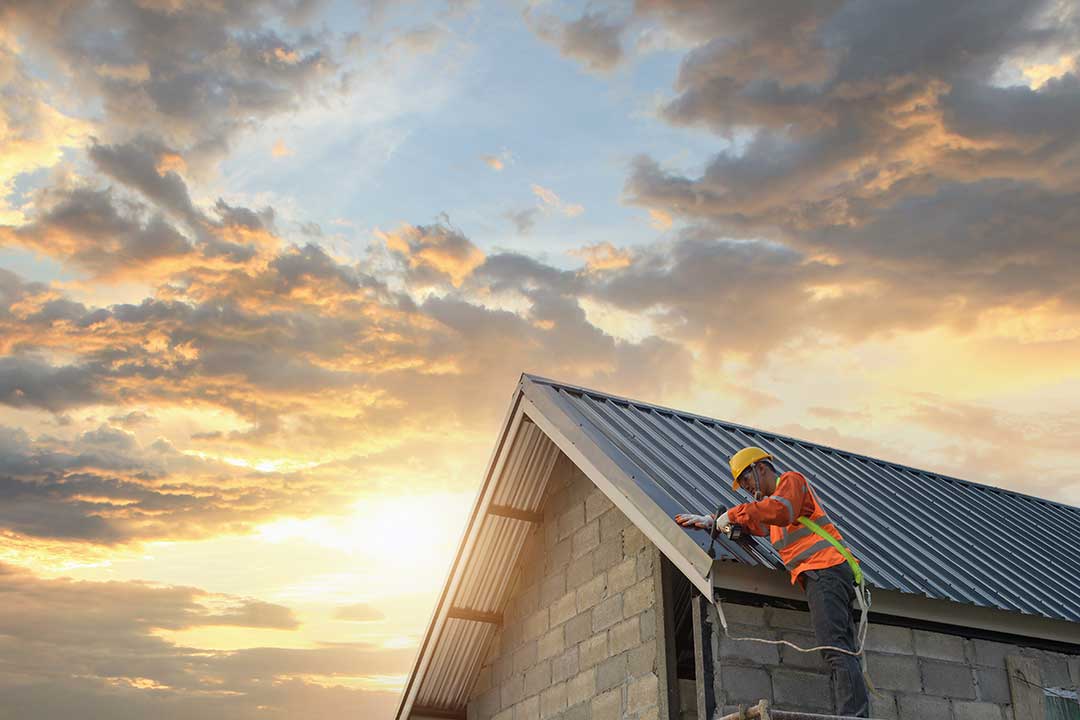
In Greene, NY, changing temperatures can move moisture between wet and frozen conditions. Ice, snow, and repeated freeze-thaw cycles can place extra stress on shingles, flashing, fasteners, and the wood beneath them. That does not mean every roof will develop decking damage, but it makes seasonal inspection clues worth taking seriously.
Does Mold Always Mean the Roof Decking Must Be Replaced?
No. Mold-like growth may result from condensation, inadequate attic ventilation, or a past leak. It may be limited to the surface, or it may be associated with deeper wood deterioration.
Roof decking generally requires more than cleaning when it has lost strength, separated into layers, absorbed prolonged moisture, or can no longer hold fasteners securely. The extent of damage matters. A small area near one leak may be handled differently from widespread deterioration across several roof slopes.
The source of moisture must also be corrected. Replacing a damaged panel without addressing leaking flashing, poor ventilation, or recurring ice-related water entry can allow the problem to return.
How Urgent Is a Decking Problem?
Urgency depends on the condition of the roof and whether water is entering the home.
More immediate attention is warranted when there is:
- Active dripping or rapidly spreading ceiling damage
- A visibly sagging roof area
- A hole, opening, or section exposed to weather
- Extensive soft or deteriorated wood
- Water near electrical wiring or light fixtures
- A major branch impact or other structural damage
- Heavy snow or ice combined with unusual roof deflection
Keep people away from areas beneath severe sagging or active water entry. If water is near electrical components, avoid touching wet fixtures or wiring and use appropriate caution before entering the affected area.
A minor stain with no current moisture may be less urgent, but it should not be dismissed. Hidden wood damage can worsen during repeated wet seasons, and deteriorated decking may make future roofing work less secure.
What Should Homeowners Document?
Simple records can help distinguish an isolated event from a recurring pattern. Photograph exterior irregularities from the ground, note the date of ceiling stains, and record whether the attic or roof area is damp after rain or snowmelt.
Useful details include:
- Where the stain or sagging appears
- Whether the condition changes after precipitation
- Whether shingles are missing, lifted, or repeatedly repaired
- Whether attic insulation feels damp
- Whether the problem appeared after a storm, ice buildup, or falling branch
Roof decking is part of the structure, not merely a cosmetic layer. Signs such as uneven shingles, attic staining, soft wood, ceiling damage, and roof sagging deserve attention because they may indicate that moisture or structural stress has reached beneath the visible roofing materials.
