
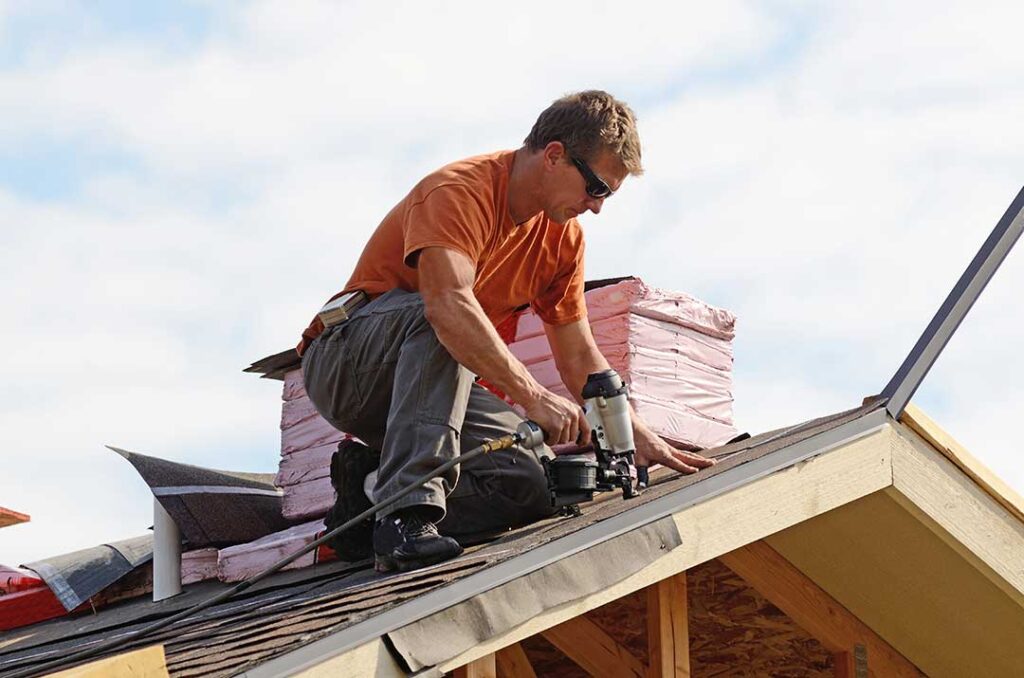
How does weather affect a roof in Greene, NY?
Weather affects a roof through repeated cycles of moisture, temperature change, wind, snow, and sunlight. A single storm may not cause visible damage, but months or years of exposure can weaken shingles, flashing, gutters, roof decking, insulation, and attic materials.
In this area, roofs commonly face humid summers, strong rainstorms, freezing temperatures, snow, ice, and rapid changes between melting and refreezing. The most serious problems often develop gradually, especially when a minor leak or ventilation issue is not noticed until interior damage appears.
A roof does not fail only because of age. Weather exposure, installation quality, roof slope, surrounding trees, attic conditions, and drainage all influence how long it remains dependable.
What does summer heat and sunlight do to roofing materials?
Summer heat causes roofing materials to expand, while cooler nighttime temperatures cause them to contract. Repeated expansion and contraction can loosen fasteners, stress sealants, and make older shingles more brittle.
Direct sunlight also affects the surface of asphalt shingles. Ultraviolet exposure can dry out protective oils, fade the granules that shield the underlying material, and reduce flexibility. Dark roof surfaces may become especially hot during sunny weather, although attic ventilation and insulation affect how much heat reaches the roof structure.
Summer weather can also expose problems that are less visible during colder months. Heavy rain may reveal loose flashing around chimneys, vents, skylights, and roof edges. Wind-driven rain can enter through small gaps that ordinary rainfall does not reach.
After a period of hot or stormy weather, watch for:
- Missing, curled, cracked, or blistered shingles
- Granules collecting in gutters or downspout outlets
- Damp attic insulation or water stains on roof decking
- Peeling paint or discolored ceilings near exterior walls
- Loose metal flashing or exposed fasteners
Not every dark mark or surface variation means a roof is leaking. However, staining that grows after rain, soft decking, or repeated dampness deserves prompt attention.
Why are heavy rain and wind hard on a roof?
Rain tests the entire drainage system, not just the shingles. Water must move down the roof surface, into the gutters, through the downspouts, and away from the foundation. If any part of that path is blocked or poorly directed, water may back up beneath roofing materials or seep into wall and ceiling assemblies.
Wind can lift shingle edges, remove loose sections, and drive rain beneath laps and flashing. Even when shingles remain in place, wind may loosen ridge caps, vent covers, gutter sections, or trim along the roof edge. Damage is more likely where materials were already aged, poorly sealed, or weakened by earlier storms.
Tree limbs create another risk during windy weather. A small branch may scratch shingles, while a larger limb can damage the roof deck or framing. Overhanging branches also drop leaves and needles into gutters, slowing drainage and keeping roof surfaces damp.
After strong wind or heavy rain, a ground-level inspection can identify obvious concerns. Look for displaced materials, hanging gutters, broken branches, and new stains indoors. Walking on a wet or damaged roof is unsafe and can cause additional damage.
How do snow and ice affect a roof?
Snow itself is not automatically harmful, but substantial accumulation adds weight to the roof structure. The risk depends on snow density, roof design, span, pitch, structural condition, and whether snow has accumulated unevenly.
Wet snow is much heavier than fresh, powdery snow. Areas where snow drifts against higher roof sections, dormers, or nearby structures may receive extra loading. Interior warning signs can include new ceiling cracks, doors that suddenly stick, unusual popping sounds, or visible sagging. These conditions require immediate caution.
Ice dams form when heat escapes into the attic and warms portions of the roof while the eaves remain below freezing. Snow melts higher on the roof, flows downward, and refreezes near the colder edge. The resulting ice can block drainage and allow water to move beneath shingles.
Ice dams are often linked to a combination of:
- Insufficient attic insulation
- Air leaks from the living space into the attic
- Inadequate roof or soffit ventilation
- Deep snow cover followed by freezing weather
- Uneven roof temperatures caused by ducts, chimneys, or recessed fixtures
Removing snow or ice with sharp tools can damage shingles and create a fall hazard. Preventing heat loss and air leakage is generally more effective than repeatedly removing ice after it forms.
What happens to a roof during freeze-thaw cycles?
Freeze-thaw cycles are especially stressful because water expands when it freezes. Moisture can enter small cracks, joints, porous masonry, or damaged flashing. When that moisture freezes, it can widen the opening. Thawing allows water to move deeper, where it may freeze again later.
This cycle can affect roofing cement, sealants, flashing seams, chimney masonry, and roof decking. It can also worsen small defects that were not causing an obvious leak during warmer weather.
Roof penetrations deserve close attention because they interrupt the continuous surface of the roof. Plumbing vents, exhaust vents, skylights, chimneys, and antenna mounts all require carefully sealed transitions. Aging rubber boots and cracked sealants may allow water to enter even when surrounding shingles appear sound.
Can attic conditions change how weather affects a roof?
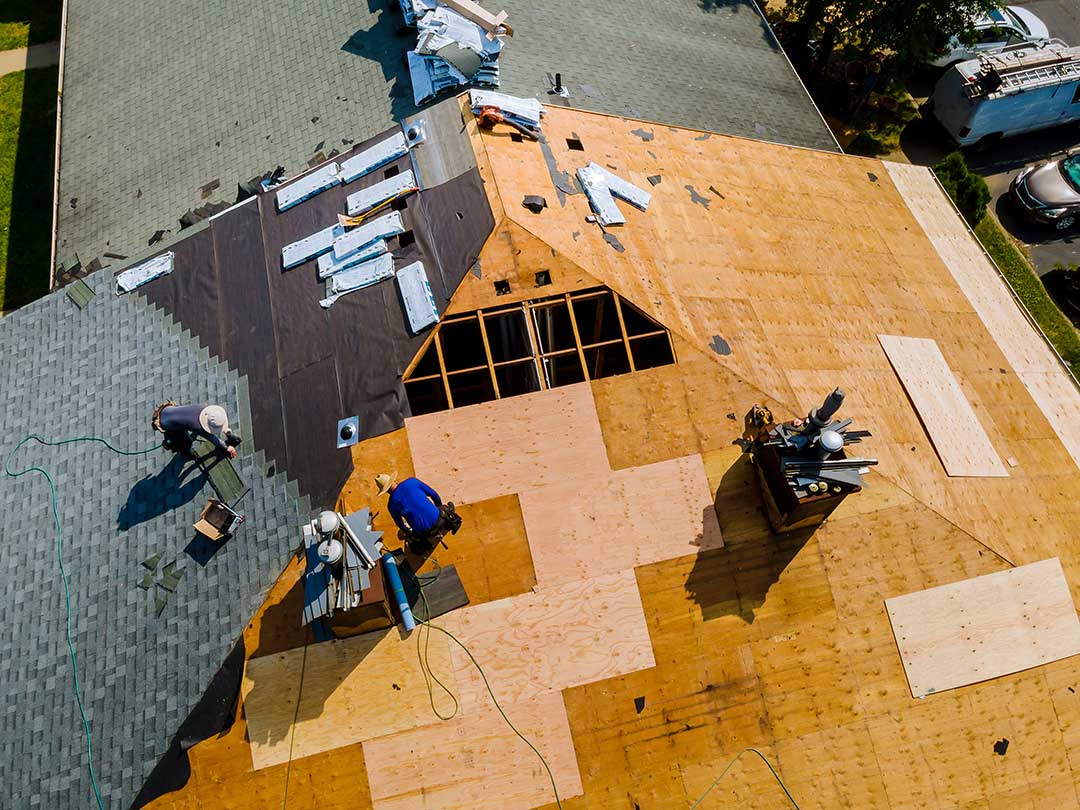
Yes. Attic temperature and moisture strongly influence roof performance. An attic that is too warm may contribute to ice dams and accelerate deterioration of roofing materials. An attic with excess moisture may develop mold, rot, rusted fasteners, or damp insulation.
Moisture enters attics through air leaks from bathrooms, kitchens, laundry areas, and living spaces. Exhaust fans that terminate in the attic instead of outdoors can add significant moisture. Roof leaks are another source, but not every damp attic is caused by a roof defect.
Useful warning signs include:
- Frost or water droplets on the underside of the roof deck
- Musty odors
- Rust around nails or metal connectors
- Compressed or wet insulation
- Darkened wood near vents or roof penetrations
- Mold-like growth on framing
Ventilation should not be treated as simply adding more openings. Intake and exhaust pathways need to work together, and air sealing and insulation must be considered at the same time.
How can residents reduce weather-related roof damage?
Routine observation is more useful than waiting for a leak. A roof does not need to be inspected constantly, but seasonal checks can reveal problems before the next major storm.
Practical steps include:
- Clear leaves and debris from gutters when buildup restricts water flow.
- Keep downspouts directing water away from the foundation.
- Trim hazardous branches that can strike the roof.
- Check attic areas for dampness after heavy rain or melting snow.
- Look for missing or damaged shingles from the ground.
- Keep records of leaks, repairs, storm damage, and recurring problem areas.
- Avoid pressure washing or scraping roofing materials.
- Treat ceiling stains as evidence of moisture, even if the area dries later.
Some conditions should not be handled as a routine maintenance task. Active interior leaking near electrical fixtures, structural sagging, major storm impact, suspected roof collapse, or unsafe ice accumulation can create immediate hazards. In those situations, occupants should avoid the affected area and prioritize safety.
Weather-related roof maintenance is mainly about managing water, air movement, temperature, and structural loads. In Greene, seasonal changes make it useful to think of the roof as part of the entire building system: shingles shed water, flashing protects transitions, gutters control runoff, and the attic helps regulate heat and moisture. When those parts work together, ordinary weather is less likely to become a costly building problem.
