

Winter preparation starts before the first major snow. For homes in Greene, NY, a sound roof must handle repeated freeze-thaw cycles, wind, snow, ice, and moisture moving through the attic. A careful inspection in fall can reveal small problems before they become winter leaks or structural concerns.
What should be checked before winter?
Before cold weather settles in, inspect the roof from the ground and examine accessible attic areas from inside. The goal is to identify damage, blocked drainage, weak flashing, and signs that heat or moisture is moving where it should not.
From the ground, look for:
- Missing, cracked, curled, or visibly loose shingles
- Dark areas or exposed underlayment
- Sagging roof lines
- Damaged metal around chimneys, plumbing vents, skylights, or wall intersections
- Gutters pulling away from the roof edge
- Large amounts of shingle granules collecting below downspouts
- Tree limbs that could scrape the roof or fall during a storm
Avoid walking on a roof that is wet, frosty, steep, or covered with leaves. A roof can become dangerously slippery before winter conditions are obvious.
Inside the attic, check for damp insulation, water stains, daylight through the roof deck, frost on nails, musty odors, or darkened wood. These signs may indicate leaks, condensation, or inadequate air sealing.
Why do gutters and downspouts matter in winter?
Gutters and downspouts should be clear and securely attached before snow and ice arrive. Blocked drainage allows melting snow and rain to collect along the roof edge, where it can refreeze and contribute to ice dams.
Remove leaves, twigs, roof granules, and other debris. Confirm that downspouts discharge water away from the foundation and do not empty directly onto walkways where freezing water could create a hazard.
Gutter guards do not eliminate winter maintenance. Fine debris can still collect on top of or beneath them, and snow or ice can shift sections of gutter. Check that the system remains firmly attached and that water has a clear path away from the house.
Do not rely on icicles as a harmless winter decoration. Large icicles can indicate drainage or heat-loss problems, and falling ice can injure people or damage property below.
How can ice dams be reduced?
Ice dams form when heat escapes into the attic and warms parts of the roof deck. Snow melts on the warmer area, flows toward a colder roof edge, and refreezes. The resulting ice ridge can hold back water and allow it to move beneath roofing materials.
The most effective prevention focuses on keeping the roof surface more evenly cold. That usually requires a combination of:
- Adequate attic insulation
- Air sealing around ceiling penetrations
- Clear soffit and ridge ventilation
- Properly functioning roof vents
- Good control of indoor moisture
Common air-leak locations include attic hatches, recessed lights, plumbing penetrations, duct openings, and gaps around chimneys. Warm air entering the attic can carry moisture that later condenses as frost.
Do not block soffit vents with insulation. Insulation should reduce heat transfer while preserving the intended airflow from the lower roof edge toward upper ventilation openings. Ventilation improvements should be planned as a complete system rather than treated as a matter of simply adding more vents.
Should snow be removed from a roof?
Most homeowners should not climb onto a snow-covered roof. Snow removal can damage shingles, flashing, gutters, and the roof deck, while slips and falling snow create serious hazards.
After a major storm, watch for warning signs such as:
- New sagging in the roof line
- Doors or windows that suddenly bind
- Cracking sounds from the attic or ceiling
- Interior doors that no longer close normally
- Large amounts of snow drifting on one roof section
- Water stains or active leaks
- Bending, cracking, or shifting structural members
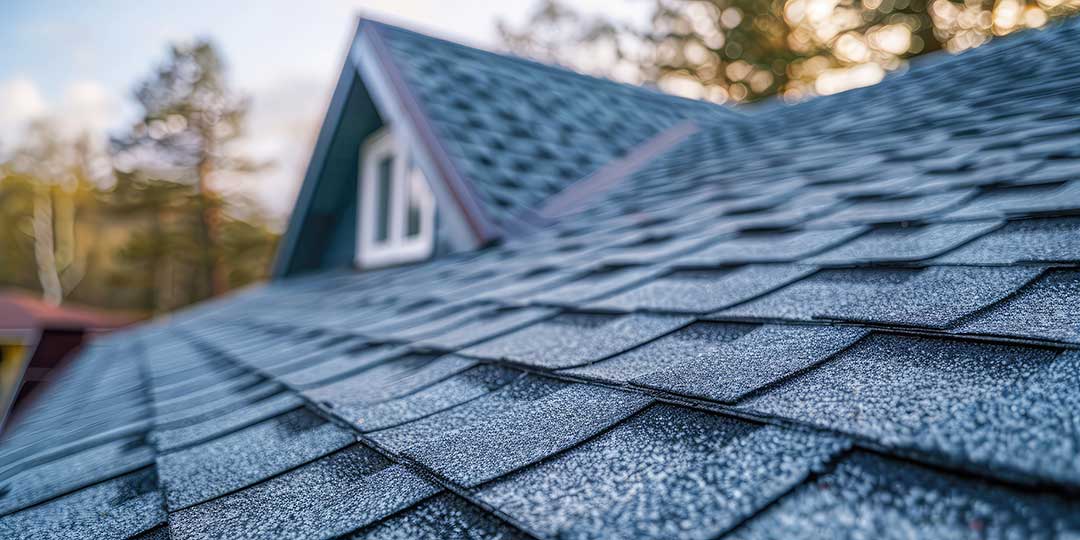
Snow loads can become more serious when rain, sleet, or freezing rain adds weight. Older structures, low-slope sections, additions, porches, and areas below higher roof slopes may collect uneven drifts.
If snow removal becomes necessary, it should be handled with equipment and methods designed for roof use. Chopping at ice or scraping aggressively can remove protective roofing materials and create additional damage.
What roof repairs are most urgent before freezing weather?
Some defects are more time-sensitive than others. A small cosmetic issue may wait for suitable conditions, but water entry and structural weakness should not be ignored.
Prioritize attention to:
- Active leaks or damp attic insulation
- Missing shingles or exposed roof underlayment
- Loose or corroded flashing
- Cracked masonry or damaged chimney caps
- Sagging roof areas
- Failed sealant around roof penetrations
- Gutters or downspouts that are detached
- Trees or limbs resting against the roof
Temporary patches may reduce water entry for a short period, but they are not a substitute for correcting the source. Roofing materials also become less flexible in cold weather, and some sealants or adhesives require specific temperature ranges to bond properly.
How should roof vents and plumbing vents be handled?
Roof vents must remain open and properly protected from snow, debris, and animals. A blocked vent can increase attic moisture and reduce the roof’s ability to dry.
Plumbing vent pipes also need attention. Ice or snow can obstruct a vent opening, potentially causing drainage problems or allowing sewer gases to enter the home. Do not alter or extend a vent without understanding the applicable building requirements, particularly where anticipated snow accumulation affects the needed height above the roof.
Bathroom and kitchen exhaust fans should discharge outdoors rather than into the attic. Exhausting warm, moist air into an enclosed roof space can produce condensation, frost, mold, and wood deterioration during cold weather.
What should homeowners monitor during winter?
Winter roof care is not limited to fall preparation. After strong winds, heavy snowfall, or a rapid thaw, inspect the attic and upper floors for changes.
Check for new ceiling stains, dripping sounds, damp insulation, peeling paint, or moisture around skylights and exterior walls. Look outside for displaced shingles, damaged flashing, overflowing gutters, or snow sliding into areas where people walk.
Keep roof-edge areas below windows, doors, and eaves clear of stored items. Falling snow and ice can travel farther than expected, especially during a thaw.
If a leak appears, place a container beneath the drip and move belongings away from the affected area. Do not puncture a bulging ceiling; water may be collecting above it. Electrical fixtures near water should be treated as a potential safety hazard.
A practical winter roof plan combines fall inspection, clear drainage, controlled attic airflow, safe observation after storms, and prompt attention to leaks or structural changes. These steps help a home withstand the repeated snow, ice, wind, and temperature swings typical of the cold season in Greene.
