
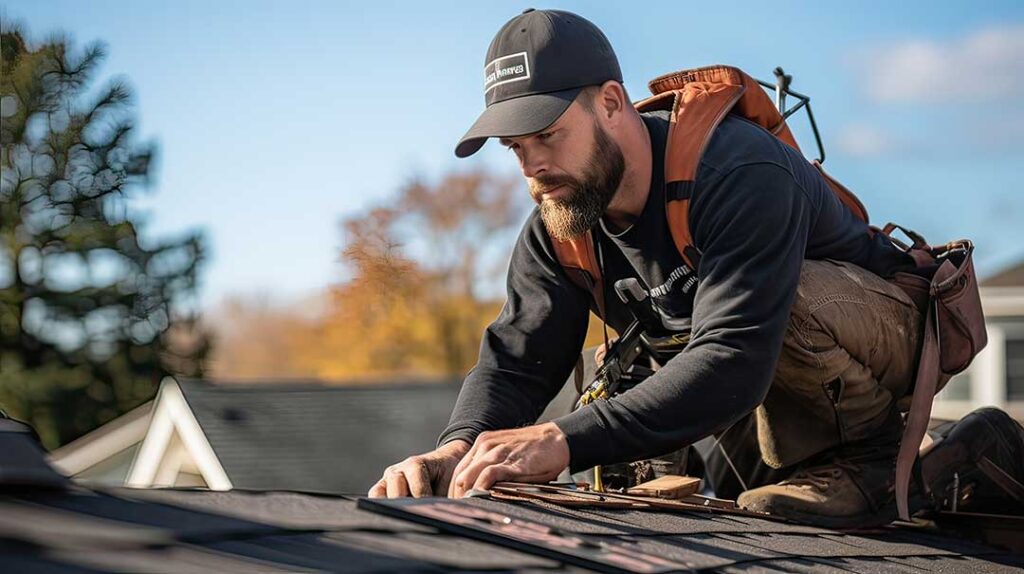
Replacing a roof creates more waste than many homeowners expect. Asphalt shingles, roofing paper, flashing, nails, underlayment, damaged wood, and packaging may all need separate handling. In Greene, NY, the most practical approach is to identify what can be reused or recycled before sending the remaining debris to a transfer station or construction-and-demolition waste facility.
Can asphalt shingles be recycled?
Yes. Clean, asphalt-based roofing shingles can often be recycled into processed material used in asphalt pavement and other construction products. Recycling is more likely when the shingles are kept separate from household trash and free of contamination.
Recyclers generally look for:
- Asphalt shingles
- Roofing felt or roofing paper
- Small amounts of attached nails
- Uncontaminated shingle fragments
Shingles should not be placed in household recycling bins. They are too heavy and too specialized for curbside recycling systems. Instead, they are usually handled through a construction-and-demolition debris facility or a transfer station that accepts roofing waste.
Acceptance rules vary. Before hauling a load, verify whether the facility accepts asphalt shingles specifically, whether loads must be separated, and whether charges are based on weight or volume.
What should be separated before disposal?
Sorting roofing waste at the job site makes recycling easier and can prevent an entire load from being rejected. Keep these materials apart whenever possible:
- Asphalt shingles and roofing paper
- Metal flashing, drip edge, gutters, and downspouts
- Clean wood decking and framing lumber
- Plastic wrap, cardboard, and packaging
- Damaged insulation
- General household garbage
- Potentially hazardous materials
Metal roofing components are often recyclable as scrap metal if they are reasonably clean and free of excessive roofing cement. Removing large pieces of wood, plastic, and garbage from a shingle load also improves the chance that the shingles can be processed.
Do not mix paint cans, solvents, fuel containers, batteries, appliances, or other household hazardous waste with roofing debris. These materials may be prohibited at construction-and-demolition facilities and can create safety problems during hauling and processing.
Can old shingles be reused instead of recycled?
Sometimes, but reuse is more limited than recycling. Newer shingles that were never installed may be suitable for a small repair, garden structure, shed, or temporary weather barrier. Shingles removed from a roof are usually curled, brittle, weathered, or damaged by nails, which makes them poor candidates for another roof installation.
Other roofing materials may have better reuse potential. Intact metal panels, gutters, flashing, ridge vents, roof brackets, and unused rolls of underlayment can sometimes be stored for future repairs or passed along for a small building project. Materials should be dry, structurally sound, and free of mold, severe rust, or adhesive contamination.
A useful rule is to inspect materials before demolition begins. If something can be removed without damage and has a clear future use, set it aside before it becomes mixed with debris.
How should roofing waste be prepared for transport?
Roofing debris is heavy, sharp, and difficult to handle. Preparation reduces the risk of punctured tires, falling debris, and injuries.
Use a strong truck bed, covered trailer, or properly rated container. Keep the load below the sidewalls and secure it with a tarp or other suitable cover. Loose shingles can blow onto roads, especially during the windy conditions that sometimes follow a storm or cold front.
Nails should be handled carefully. Do not sweep roofing debris into drainage areas, roadside ditches, wooded edges, or snowbanks. A rolling magnetic sweeper can help collect stray nails from driveways and walkways, but the collected material should still be contained and disposed of safely.
Roofing waste can become heavier when wet. This matters during Greene’s rainier seasons and during spring thaw, when uncovered debris may absorb water and become more difficult to move.
Where can residents take old roofing materials?
Local transfer stations commonly accept construction-and-demolition debris, but roofing materials may be subject to specific rules, fees, and load restrictions. Some facilities accept mixed construction debris, while others may require asphalt shingles, metal, wood, or general trash to be separated.
Before making a trip, check:
- Whether shingles are accepted
- Whether asbestos-containing materials are prohibited
- Whether loads must be covered
- Whether the facility charges by weight, bag, vehicle, or load
- Whether commercial and household customers follow different rules
- Whether there are limits on trailer size or material quantity
A facility may accept construction debris without actually recycling every material in the load. Asking whether shingles are recovered for recycling, rather than simply buried or transferred, can clarify how the material will be managed.
New York facilities that process construction-and-demolition debris may be registered to receive uncontaminated asphalt roofing shingles and roofing paper. That does not mean every facility accepts every roofing product, so the material type and condition still matter.
What about old roofs that may contain asbestos?
Older roofing materials require extra caution. Some roofing products, mastics, flashing compounds, and roofing papers may contain asbestos, particularly on older buildings or roofs with several historic layers.
Asbestos cannot be identified reliably by appearance alone. Do not cut, grind, break, or sweep suspicious material. Do not place it in a regular shingle recycling load unless testing and disposal requirements have been addressed.
If a roof appears unusually old, contains several layers, or includes materials that crumble or release dust, stop and obtain guidance about testing and proper handling. Asbestos-containing waste is not the same as ordinary asphalt shingle debris and may be rejected by local transfer stations.
Are permits related to roofing waste?
Roof replacement and roof recover work may require local approval before work begins. Permit requirements are separate from waste-disposal rules, but both should be considered during project planning.
A permit may address the roofing work itself, while the disposal facility controls how removed materials are transported and accepted. Keeping receipts, weight tickets, or disposal records can be useful for larger projects, rental properties, insurance documentation, or questions about where the material went.
Storm-damaged roofs may involve additional concerns, including wet insulation, fallen branches, damaged electrical equipment, or debris scattered across neighboring properties. These materials should not automatically be combined with clean shingle waste.
What is the most responsible disposal plan?
For a typical roofing project, the simplest plan is:
1. Identify whether the roof contains ordinary asphalt shingles or potentially hazardous materials.
2. Separate shingles and roofing paper from metal, wood, plastic, and household garbage.
3. Keep reusable items dry and undamaged.
4. Cover and secure all loads during transport.
5. Confirm acceptance rules and fees before hauling.
6. Use a registered construction-and-demolition debris facility when recycling is available.
7. Keep hazardous or questionable materials out of ordinary roofing loads.
Recycling old roofing materials is not always available for every product or every small quantity, but careful sorting makes recovery more likely. It also reduces the amount of mixed debris sent for disposal and helps keep sharp, heavy construction waste out of ordinary household garbage.
