
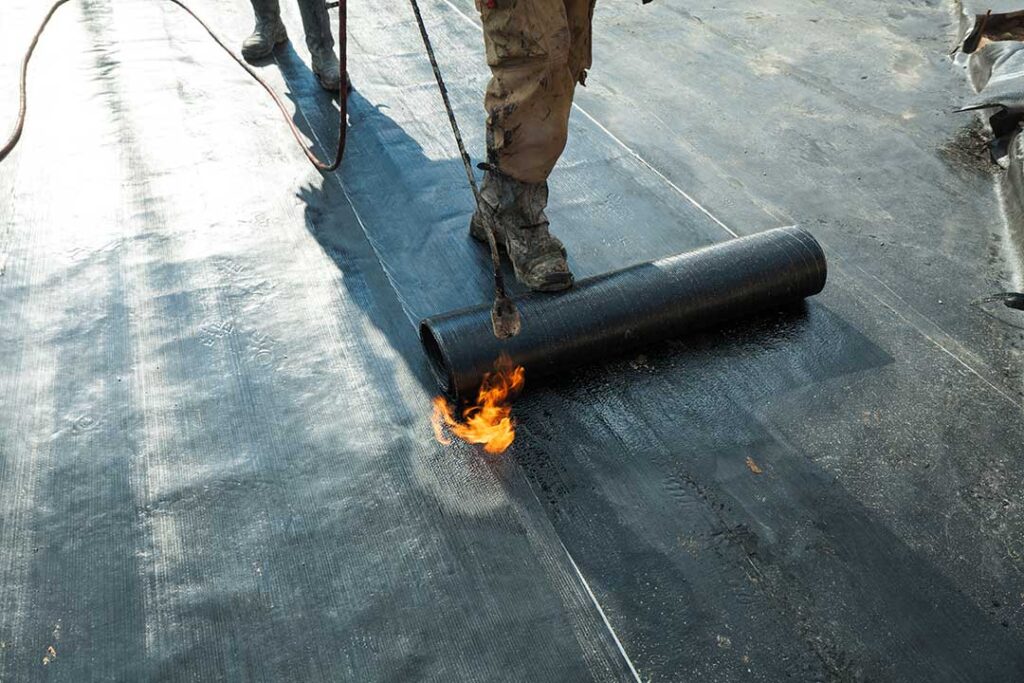
A new roof can improve a home’s value, but the financial effect is rarely equal to the full replacement cost. Its greatest benefit often comes from reducing buyer concerns, protecting the structure, improving appearance, and making the property easier to evaluate.
For homeowners in Greene, NY, roofing decisions also need to account for snow, ice, freeze-thaw cycles, heavy rain, wind, and long heating seasons. A roof that performs reliably through these conditions can support both immediate market appeal and long-term property condition.
Does a new roof automatically increase home value?
Not automatically. A new roof may increase a home’s market value, but the result depends on the roof’s quality, the home’s overall condition, local buyer expectations, and comparable sales.
A roof replacement often protects value more effectively than it creates a large profit. If the existing roof is visibly worn, leaking, near the end of its service life, or showing signs of water damage, replacing it may prevent the property from being discounted during negotiations.
Buyers usually do not view every roof replacement as a luxury improvement. Instead, they often see it as a major building system that should be in dependable condition. A new roof can make the home feel more predictable and reduce the likelihood of immediate repair expenses.
Why does roofing condition matter to buyers?
The roof protects nearly every other part of a house. If it fails, water can affect insulation, ceilings, wall finishes, electrical components, framing, and personal belongings.
A buyer evaluating an older roof may wonder:
- How many years remain before replacement is needed?
- Has water entered the attic or living areas?
- Is the roof deck sound?
- Are flashing, valleys, vents, and chimney areas properly sealed?
- Will an insurer or lender raise concerns?
- Is the asking price high enough to justify future repair costs?
A newer roof can answer many of these questions before they become negotiation points. It does not eliminate the need for an inspection, but it can remove one of the more significant uncertainties associated with an older home.
Is a new roof more valuable than a roof repair?
That depends on the roof’s actual condition. A targeted repair may be the more sensible choice when the roof is generally sound and the problem is limited to a damaged flashing detail, isolated shingle loss, a vent, or a small area of wear.
Replacement becomes more relevant when problems are widespread or recurring. Common warning signs include:
- Multiple areas of missing, cracked, curling, or brittle roofing material
- Repeated leaks after repairs
- Sagging areas or visibly damaged roof decking
- Extensive granule loss in gutters
- Water stains, damp insulation, or mold-like odors in the attic
- Deteriorated flashing around penetrations, walls, or chimneys
- An installation that has reached the end of its expected service life
A new roof installed over a roof that only needed a minor repair may not produce a strong financial return. A replacement that corrects active leaks and underlying deterioration is more likely to protect value.
How does a roof affect an appraisal?
An appraiser considers the roof as part of the home’s overall condition, not as an isolated feature. The age, visible wear, remaining useful life, installation quality, and evidence of water intrusion may all influence the opinion of value.
A roof with very little remaining life can become a concern in a sale, particularly if other parts of the property also need work. The issue may appear as a lower valuation, a repair condition, a credit request, or a negotiation over price.
Documentation can make the condition easier to evaluate. Useful records may include:
- The approximate installation date
- The type of roofing system
- Permit information, where applicable
- Photos taken before concealed areas were covered
- Details about replacement of damaged decking or flashing
- Transferable warranty documents, if available
- Receipts describing the work completed
These records do not guarantee a higher appraisal, but they help distinguish a complete roof replacement from a surface-level patch or cosmetic upgrade.
What roofing features matter most for value?
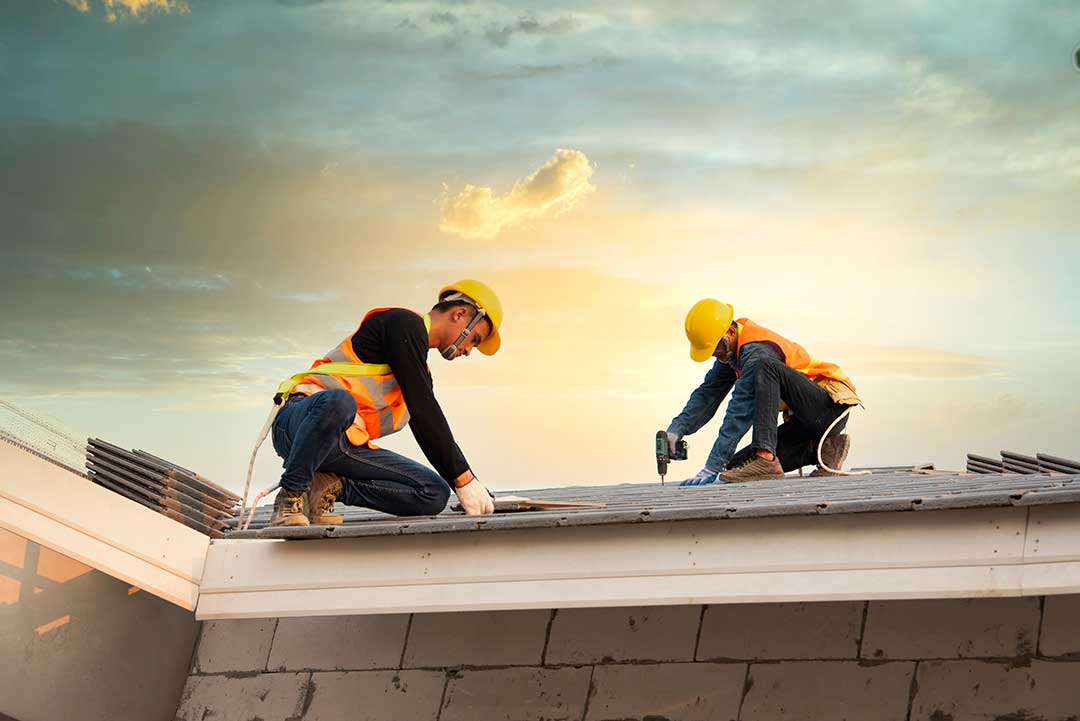
A roof’s value is influenced more by sound installation and complete weather protection than by appearance alone. Important components include the roof covering, underlayment, flashing, ventilation, drainage, and the condition of the roof deck.
For homes exposed to winter weather, practical performance matters. Proper water-shedding details, secure edge work, adequate attic ventilation, and correctly installed flashing can help limit problems caused by snow, ice buildup, wind-driven rain, and repeated temperature changes.
A visually attractive roof can still provide limited value if water-management details were neglected. Conversely, a plain, well-installed roof may be more valuable to a buyer because it offers dependable protection without unnecessary complexity.
Material selection can also affect buyer expectations. A replacement should be compatible with the roof’s slope, structure, ventilation, and local code requirements. Heavier or specialized systems may require additional structural consideration rather than simply being placed over existing materials.
Can a new roof improve curb appeal?
Yes, but curb appeal is usually a secondary benefit. A clean, uniform roof can make the entire property appear better maintained. This may be especially noticeable when the previous roof had streaking, patchwork, uneven coloring, curling edges, or visible moss and debris.
Roof color and material should generally fit the home’s siding, brick, trim, windows, and architectural style. A design that looks out of place may not add appeal, even if the roof is technically new.
Curb appeal can help create a positive first impression, but buyers usually place greater value on evidence that the roof will remain watertight and structurally sound.
Will a new roof lower energy bills?
A roof replacement can contribute to better energy performance, but the roof covering alone is not usually the main source of energy savings. Attic insulation, air sealing, ventilation, windows, heating equipment, and moisture control often have a larger effect.
During replacement, concealed conditions may become easier to inspect. Damaged insulation, blocked ventilation paths, air leaks, or deteriorated sheathing can sometimes be identified and corrected. These improvements may make the home more comfortable and reduce heat loss, although results vary by building design and existing condition.
A roof should not be described as an energy upgrade unless insulation, ventilation, air sealing, or other energy-related work is actually included.
Does replacing the roof before selling make sense?
Replacing a roof before selling may make sense when the existing roof is clearly failing or likely to interfere with financing, insurance, inspection results, or buyer confidence. It may be less sensible when the roof is functional, has substantial remaining life, and the replacement cost would not be supported by comparable properties.
Homeowners should consider:
- The roof’s actual condition rather than age alone
- Whether leaks or deterioration are documented
- How the roof compares with nearby homes
- Whether other major repairs would have a greater effect on value
- The time available before listing
- Whether the replacement can be completed and documented clearly
A new roof is not a guarantee of recovering every dollar spent. Its practical value may come from preventing a larger price reduction, shortening negotiation, avoiding delays, and presenting the house as a well-maintained property.
What should homeowners check after a roof replacement?
Keep records and inspect the completed work from the ground and attic when conditions allow. Look for uniform installation, properly finished edges, secure flashing, clear drainage paths, and no signs of interior moisture.
Confirm that any required permits or inspections have been addressed under applicable New York requirements. Roofing work may also reveal damaged sheathing, ventilation problems, or hidden moisture that should be recorded before the project is considered complete.
For residents in Greene, seasonal maintenance remains useful even after replacement. Clearing leaves from drainage areas, watching for loose materials after major wind, checking attic moisture, and addressing ice-related concerns early can help preserve the roof’s condition and the value it supports.
