
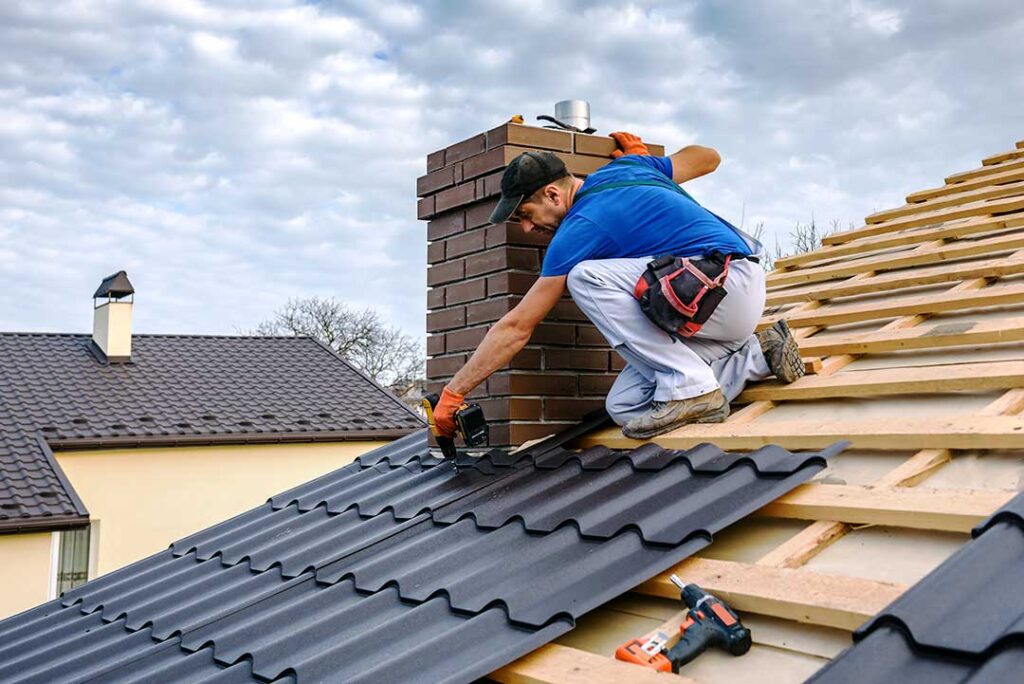
Which roofing material is better for homes in Greene, NY?
Neither asphalt shingles nor metal roofing is automatically the better choice for every home. Asphalt shingles are usually simpler to install and less expensive upfront, while metal roofing generally lasts longer and handles repeated exposure to snow, ice, wind, and moisture well.
The right decision depends on the roof’s slope, existing deck, ventilation, drainage details, budget, appearance, and how long the household expects to remain in the home. Installation quality often matters as much as the material itself.
How do asphalt shingles and metal roofing differ?
Asphalt shingles are layered roof coverings made from a fiberglass mat, asphalt, and mineral granules. They are available in many colors and profiles and are common on houses with conventional pitched roofs.
Metal roofing may consist of interlocking panels, standing-seam panels, or metal shingles. The material can be made from coated steel, aluminum, copper, or other metals, although coated steel is a common choice for residential work.
The comparison is not simply between “short-lived shingles” and “permanent metal.” Asphalt shingles come in different grades, and metal roofs vary substantially in thickness, coating, fastening method, seam design, and installation quality.
Which roof lasts longer?
Metal roofing generally has a longer service life than asphalt shingles, but its durability depends on the panel system and the surrounding roof details.
Typical expectations are:
- Architectural asphalt shingles may last roughly 20 to 30 years under suitable conditions.
- Premium asphalt shingles may last longer, though weather exposure, ventilation, installation, and maintenance affect actual performance.
- Metal roofing commonly lasts 40 years or more, with some systems lasting substantially longer when properly installed and maintained.
These are planning ranges rather than guarantees. A roof exposed to poor attic ventilation, trapped moisture, falling branches, ice buildup, or repeated repairs may fail earlier than its stated product life.
How do the materials handle snow and ice?
Both materials can work in Greene, NY, but snow and ice management should be considered during design and installation. Freeze-thaw cycles, winter wind, drifting snow, and ice dams can challenge any roof covering.
Metal roofing allows snow to slide more easily, especially on steeper slopes. That can reduce the weight of accumulated snow but may create a safety concern above entryways, walkways, decks, or lower roofs. Snow guards or other restraint systems may be appropriate in locations where sliding snow could cause injury or property damage.
Asphalt shingles provide more surface texture, so snow generally remains in place longer. That can reduce sudden snow slides, but it does not prevent ice dams. Ice dams are usually connected to uneven roof temperatures, heat loss into the attic, inadequate insulation, blocked ventilation, or limited drainage at the eaves. Changing the roof covering alone may not solve the underlying problem.
Which option is more resistant to wind and storms?
Both asphalt shingles and metal roofing can be designed for strong wind resistance. The important factors include the product rating, fastening pattern, edge treatment, underlayment, flashing, and the condition of the roof deck.
Asphalt shingles can lose tabs or suffer granule loss if they are poorly fastened or exposed to severe wind. Metal panels can loosen, dent, or experience coating damage if fasteners, seams, or trim are improperly installed.
Neither material makes a roof immune to damage from falling limbs. Tree maintenance, roof geometry, and the condition of flashing around chimneys, walls, skylights, and vents remain important regardless of the roof covering.
Is metal roofing noisier than asphalt shingles?
Metal roofing can sound louder during heavy rain or hail, particularly when installed over an open framing system or without adequate insulation and sheathing. On a typical insulated home with solid roof decking, the difference is often less noticeable than homeowners expect.
Asphalt shingles are generally quieter because their layered, granular surface absorbs more sound. For households sensitive to rain noise, attic insulation, ceiling construction, and the presence of solid sheathing may matter more than the exterior material alone.
Which roof costs less?
Asphalt shingles usually have a lower initial cost because the materials are widely available, easier to handle, and familiar to many installers. Metal roofing commonly costs more at the beginning, especially when the roof has complicated valleys, dormers, multiple penetrations, or extensive trim work.
The long-term comparison is less straightforward. A metal roof may require fewer full replacements over the life of a house, while asphalt shingles may be easier and less costly to repair in small sections.
Homeowners comparing prices should look beyond the visible roof covering. Important cost factors include:
- Removal and disposal of the existing roof
- Replacement of damaged roof decking
- Ice-barrier and underlayment requirements
- Flashing around chimneys, walls, and roof penetrations
- Ventilation improvements
- Snow guards or specialized edge details
- Repairs to gutters, fascia, and eaves
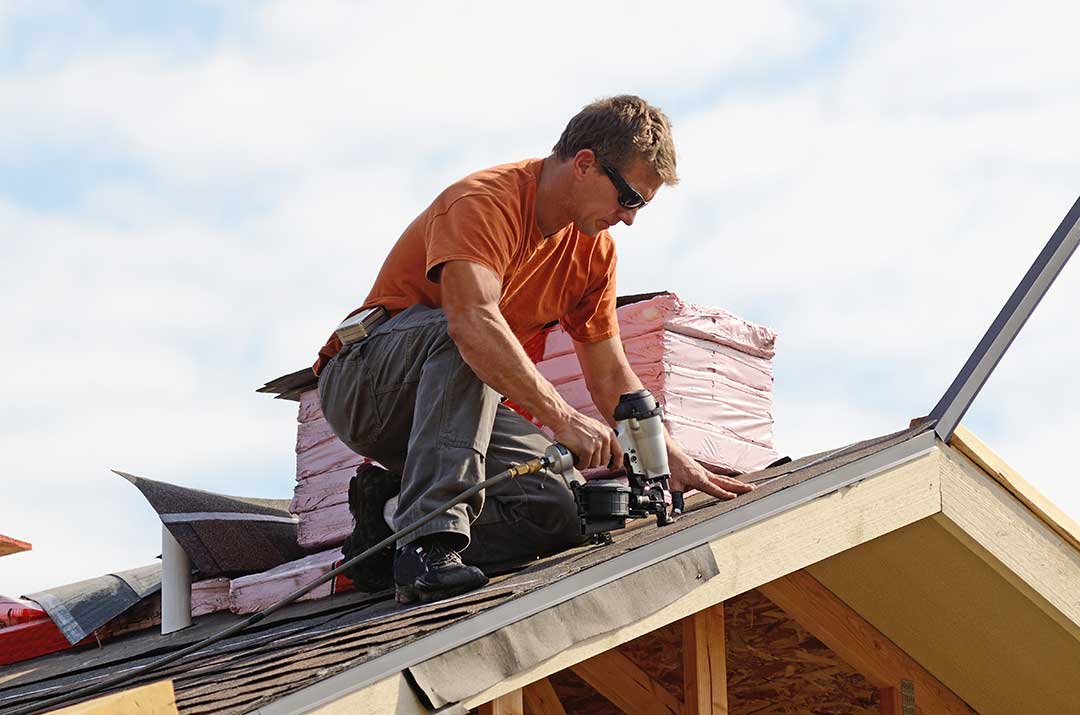
A low initial price may not represent the full cost of a complete roofing system.
Which material is easier to repair?
Asphalt shingles are generally easier to replace in a limited area. Individual damaged shingles can often be removed and matched reasonably well, although color differences may appear as the roof ages.
Metal roofing repairs depend on the system. A damaged panel may require work on seams, fasteners, trim, or concealed clips. Matching an older metal finish can also be difficult if the coating has faded. Small dents may be cosmetic, while punctures, corrosion, or separated seams can affect water resistance.
For either material, temporary patching is not always a permanent repair. Water can travel beneath the roof covering, so the visible location of a ceiling stain may not identify the actual source.
Does metal roofing make a house colder in winter or hotter in summer?
Metal roofing does not automatically make a home colder in winter or hotter in summer. Indoor comfort depends primarily on insulation, air sealing, attic ventilation, roof color, solar exposure, and the overall building envelope.
A light-colored or reflective metal roof may reduce heat absorption during sunny weather. Dark asphalt shingles can absorb more solar heat, but this does not necessarily create a major indoor comfort problem when the attic is properly insulated and ventilated.
In winter, the roof material itself provides very little insulation. The attic insulation and air barrier do most of the work.
Can a metal roof be installed over existing shingles?
Sometimes, but the existing roof must be evaluated first. New York’s residential code allows certain roof-covering installations and roof recover work under specific conditions. A roof that is water-soaked, badly deteriorated, structurally unsound, or already covered by multiple layers may not be suitable for another layer.
Installing metal over an existing roof can reduce tear-off work, but it does not eliminate the need to inspect the roof deck, address moisture problems, verify structural capacity, and install the correct underlayment and ventilation. The method must also suit the specific metal roofing system.
What should Greene homeowners consider before choosing?
For local homes exposed to cold winters, wet weather, wind, and periodic heavy snow, the most useful questions are practical:
- Is the roof deck dry, sound, and adequately fastened?
- Is the attic properly insulated and ventilated?
- Has the home experienced ice dams or recurring leaks?
- Could sliding snow reach a doorway, walkway, lower roof, or deck?
- Does the roof have enough slope for the selected material?
- Are chimneys, skylights, walls, valleys, and eaves detailed correctly?
- Is the household planning to remain in the home long enough to benefit from a longer-lasting roof?
- Will the appearance fit the house and surrounding neighborhood?
- Are permits or local code requirements applicable to the work?
For safety and code compliance, roofing work involving structural damage, steep slopes, electrical hazards, or difficult winter conditions may require qualified assistance. The material choice should be made only after considering the entire roof assembly, not just the surface visible from the ground.
