
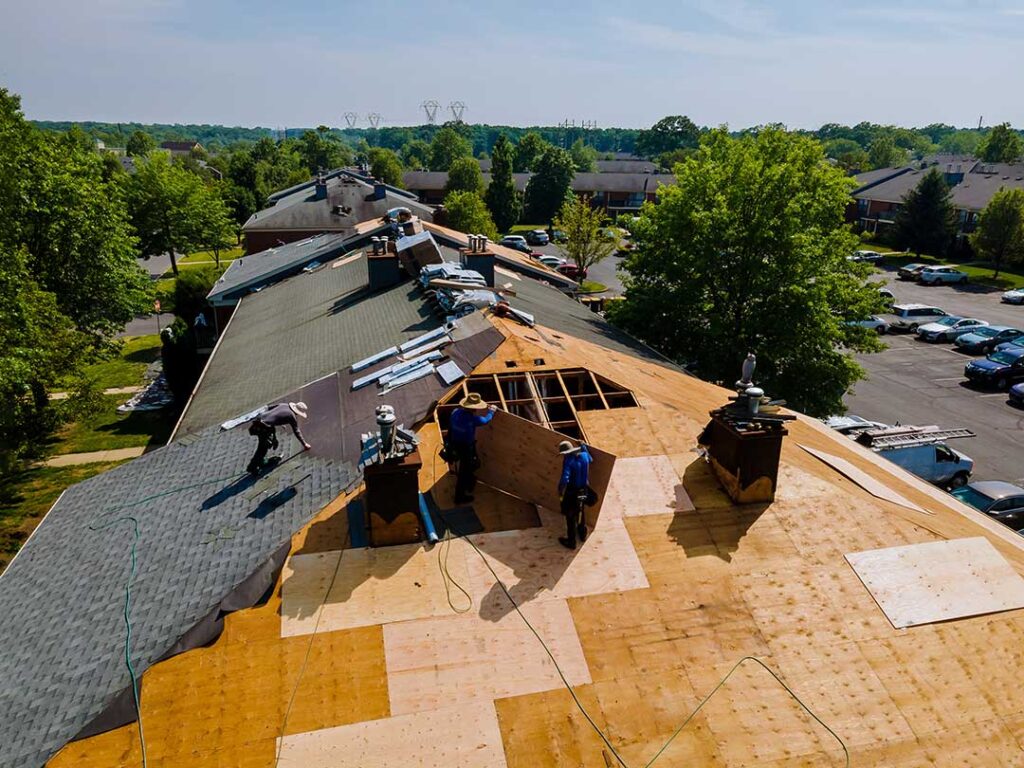
Roof repairs often appear straightforward: replace a few shingles, seal a visible gap, or clear debris from a drainage path. Yet many repair mistakes allow water to keep entering, damage surrounding materials, or create safety problems that are more expensive than the original issue.
For homes in Greene, NY, roof maintenance must account for snow, ice, wind, rain, freeze-thaw cycles, and seasonal debris. Understanding what commonly goes wrong can help residents make safer decisions and recognize when a small problem may involve a larger roofing system issue.
What is the most common roof repair mistake?
The most common mistake is repairing only the visible symptom instead of finding the source of the leak. Water can travel along roof decking, rafters, insulation, and interior framing before appearing as a ceiling stain.
A stain below a chimney, for example, may be caused by:
- Damaged flashing
- Failed sealant
- Loose masonry
- An issue higher up the roof slope
- Ice-related water backup
- A blocked drainage path
Replacing a shingle directly above the stain may not solve the problem. A proper inspection follows the likely path of water and checks nearby roof intersections, penetrations, flashing, and underlayment.
Why is using too much roof sealant a problem?
Roof sealant can be useful in limited situations, but it is not a universal substitute for damaged materials. Applying thick layers over flashing, cracks, or shingle edges may temporarily hide a problem while trapping moisture underneath.
Excess sealant can also:
- Crack as temperatures change
- Separate from wet or dirty surfaces
- Make future repairs harder
- Conceal rust or deterioration
- Divert water into an unintended area
Sealant should be applied only to compatible, properly prepared surfaces. If metal flashing is bent, corroded, or improperly installed, replacing or correcting the flashing is generally more dependable than covering it with additional material.
What happens when replacement shingles do not match?
A replacement shingle does not need to look perfect from the ground, but it does need to be compatible with the existing roof. Differences in size, profile, exposure, fastening pattern, or weathering can affect how water drains across the repair.
Common problems include:
- Installing a shingle with a different thickness
- Using the wrong type of roofing material
- Placing fasteners too high or too low
- Leaving nails exposed
- Failing to secure the shingle’s sealing strip
- Cutting the replacement piece inaccurately
Older roofs may also have materials that are no longer readily matched. A repair should account for how the replacement will lock into nearby courses and shed water during heavy rain or melting snow.
Is it safe to repair a roof during wet, icy, or windy weather?
Roof work should not be performed on wet, icy, or unstable surfaces. Moisture makes shingles and roof decking slippery, while cold temperatures can make some roofing materials brittle or prevent adhesive strips from sealing correctly.
Wind creates additional risks. Loose shingles, tools, and debris can become hazards, and a person working near an unprotected roof edge may lose balance unexpectedly.
Seasonal conditions in the area can change quickly. Snow and ice also add weight and may conceal damaged shingles, open seams, or clogged drainage areas. If a roof cannot be inspected safely from a stable location, climbing onto it is not a reasonable repair method.
Why should attic ventilation be checked during roof repairs?
A roof leak and a ventilation problem can occur at the same time, but they are not the same issue. Poor attic ventilation can contribute to condensation, damp insulation, mold growth, wood deterioration, and premature shingle aging.
Signs that ventilation may need attention include:
- Frost or moisture on roof framing during cold weather
- A musty attic odor
- Damp insulation
- Peeling paint near upper ceilings
- Uneven roof aging
- Excessive heat buildup in summer
Adding a vent without considering intake airflow can produce little benefit. Ventilation works as a system, and blocking soffit openings with insulation or debris can limit the airflow needed to manage attic moisture.
What damage can improper nailing cause?
Nail placement is one of the most overlooked details in shingle repair. Nails driven too high may not properly secure the shingle. Nails placed too low can remain exposed or interfere with the shingle below.
Other fastening mistakes include:
- Using too few nails
- Driving nails at an angle
- Overdriving and damaging the shingle
- Leaving fastener heads exposed
- Failing to replace damaged underlayment
- Using incompatible fasteners
Improperly fastened shingles may lift during strong wind or allow water to enter around the nail holes. In regions that experience snow, wind, and repeated freezing and thawing, small fastening weaknesses can become more noticeable over time.
Why is walking on shingles risky?
Walking on a roof can damage shingles even when no immediate break is visible. Granules may be loosened, sealant strips may be disturbed, and brittle materials may crack under pressure.
Foot traffic is especially risky on:
- Older roofs
- Cold shingles
- Steep slopes
- Areas covered with moss or algae
- Roofs with hidden soft spots
- Sections near skylights, vents, or valleys
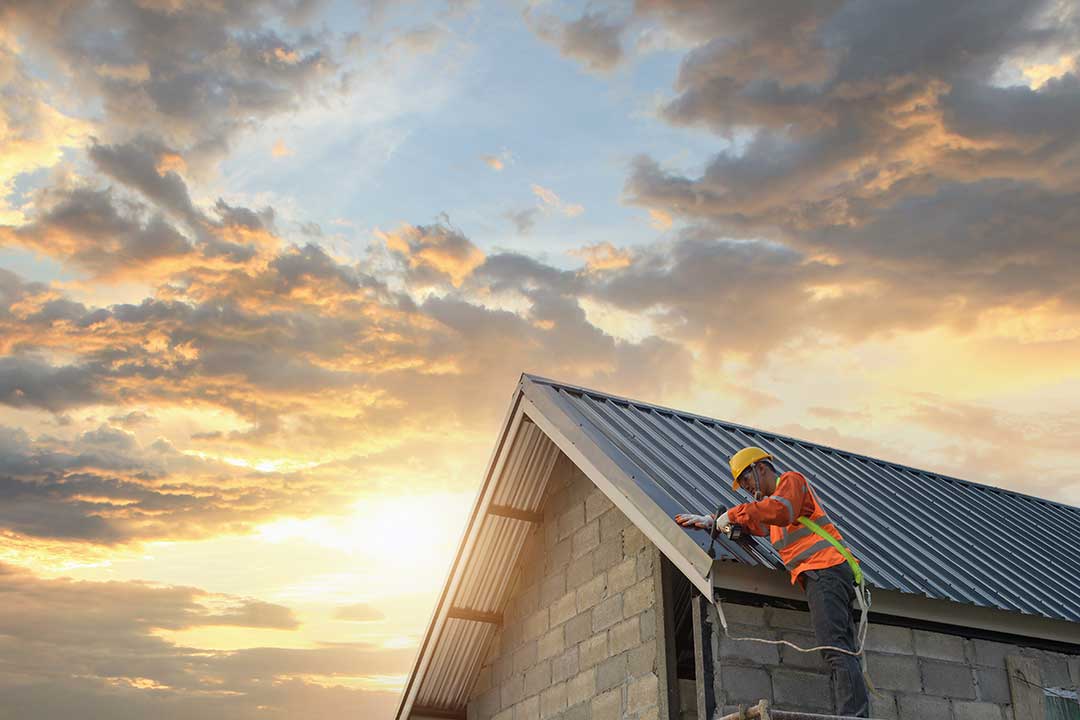
Soft areas can indicate damaged decking beneath the shingles. Stepping on such a section can worsen the damage or cause a fall. A roof should not be treated as a routine walking surface.
Are roof valleys and flashing easy to overlook?
Valleys and flashing deserve special attention because they manage concentrated water flow. A roof valley collects runoff from two slopes, while flashing protects transitions around walls, chimneys, vents, skylights, and other penetrations.
Repair mistakes may include:
- Covering a valley with debris
- Cutting shingles too close or too far from the valley center
- Leaving gaps around flashing
- Nailing through areas that should remain watertight
- Failing to inspect the upper edge of a wall intersection
- Installing new shingles over deteriorated flashing
Water problems often begin at these transition points rather than in the middle of an open roof slope.
What should be done after a temporary roof repair?
A temporary repair should be treated as temporary. Plastic sheeting, roofing cement, or a patch may reduce water entry for a short period, but these measures can fail under wind, rain, snow, and temperature changes.
After temporary protection is installed, the affected area should be monitored for:
- New ceiling stains
- Damp insulation
- Dripping during rain
- Musty odors
- Bulging drywall
- Sagging roof decking
- Water near electrical fixtures
Water near wiring, significant interior damage, structural sagging, or active leakage during severe weather requires immediate attention for safety reasons. Turning off power to a wet electrical area should be done only if it can be reached without entering standing water or creating additional danger.
How can residents avoid unnecessary roof repair mistakes?
The safest approach is to slow down the diagnosis before making the repair. Photograph visible damage from the ground, record when leaks appear, and note whether the problem occurs during wind-driven rain, melting snow, or heavy rainfall.
Useful observations include:
- The location of interior stains
- Whether the roof is visibly missing shingles
- The age and general condition of the roof
- Signs of clogged gutters or roof valleys
- Moisture or condensation in the attic
- Recent storms, ice buildup, or fallen branches
A small roof defect does not always mean the entire roof needs replacement, but a small visible defect can sometimes point to concealed damage. Repairs involving steep slopes, unstable surfaces, structural deterioration, electrical hazards, or extensive water entry may require trained assistance because the risk is greater than the repair itself.
