
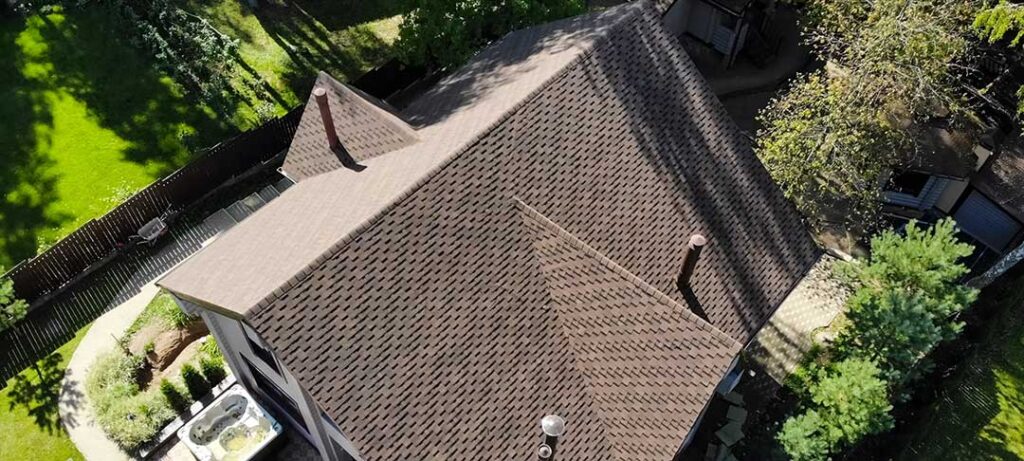
Does homeowners insurance cover roof damage?
Usually, homeowners insurance covers sudden and accidental roof damage caused by a covered event, such as wind, hail, fire, or a falling tree. It generally does not cover deterioration caused by age, repeated leaks, poor maintenance, or normal wear and tear.
The exact answer depends on the policy language, the cause of loss, the roof’s condition, and the deductible. A roof that has reached the end of its useful life may not be covered simply because it leaks during a storm. Insurers commonly distinguish between storm damage and maintenance problems.
For households in Greene, NY, seasonal weather can place repeated stress on roofing materials. Heavy snow, ice buildup, freeze-thaw cycles, high winds, falling branches, and spring rain can expose existing weaknesses. A claim is more likely to receive coverage when a specific weather event causes identifiable damage, rather than when a long-term problem gradually worsens.
What roof problems are usually covered?
A policy may cover damage when a covered event causes direct physical harm to the roof or home. Examples can include:
- Wind lifting or tearing roofing materials
- Hail damage to shingles, flashing, vents, or metal components
- A tree or large branch falling onto the roof
- Fire or lightning damage
- Water entering through a newly storm-damaged area
- Damage caused by the weight of snow or ice, depending on the policy
Coverage may also extend to interior damage that results from a covered roof loss. For example, if wind removes shingles and rain enters through the opening, the policy may cover certain repairs to ceilings, walls, insulation, or personal property, subject to the policy terms and deductible.
That does not mean every leak is covered. If an adjuster determines that the roof had been leaking for months because of deteriorated materials, the insurer may deny the roof repair and may also limit coverage for related interior damage.
How do roof age and condition affect a claim?
Roof age can affect both eligibility for coverage and the amount paid. Some policies provide replacement-cost coverage for newer roofs but actual-cash-value coverage for roofs above a stated age or in poor condition. The policy may also contain a roof payment schedule or a specific endorsement that changes how depreciation is calculated. ([content.naic.org](https://content.naic.org/sites/default/files/committee_related_documents/Regulator%2520Resources%2520for%2520Consumers%2520on%2520Personal%2520Lines%2520Pricing%2520and%2520Underwriting_1.pdf?utm_source=openai))
The difference matters:
- Replacement cost value, or RCV: The insurer generally pays the reasonable cost to repair or replace damaged materials of similar kind and quality, without deducting depreciation, subject to the policy limit and deductible.
- Actual cash value, or ACV: The insurer subtracts depreciation based on age, condition, and expected useful life before applying the deductible.
For example, an older roof might have $12,000 in covered damage but receive a much smaller initial payment under ACV coverage because the roof has already experienced substantial wear. Replacement-cost coverage may provide more, but it does not eliminate the deductible or guarantee payment for damage that was excluded.
Replacement cost is also different from a home’s market value. Insurance is generally intended to address repair or rebuilding costs, not the sale price of the land and home together. ([content.naic.org](https://content.naic.org/article/whats-difference-between-actual-cash-value-coverage-and-replacement-cost-coverage?utm_source=openai))
What deductibles should homeowners check?
The declarations page lists the deductible that applies to a covered loss. Many policies have a standard dollar deductible, but some also include a windstorm or hurricane deductible.
A wind-related deductible may be a percentage of the dwelling coverage rather than a fixed amount. New York’s Department of Financial Services states that windstorm deductibles commonly range from 1% to 5% of the dwelling value or the amount of insurance on the home, depending on the policy. ([dfs.ny.gov](https://www.dfs.ny.gov/consumers/help_for_homeowners/insurance/basic_coverage?utm_source=openai))
A percentage deductible can be significant. If a home has $300,000 in dwelling coverage and a 2% wind deductible applies, the homeowner may be responsible for the first $6,000 of covered wind damage.
The trigger also matters. Some policies apply a wind deductible to damage caused by wind of any speed, while hurricane deductibles may have more specific conditions. The policy—not a general assumption about the storm—controls which deductible applies.
Does insurance cover leaks caused by snow and ice?
It can, but the cause of the damage must be established. A roof may be covered if the weight of snow or ice causes a sudden collapse or if a covered storm damages the roof and water enters afterward. However, damage caused by long-term moisture, inadequate ventilation, deteriorated flashing, or repeated ice buildup may be excluded or limited.
Ice dams deserve careful attention. An ice dam forms when melting snow refreezes near a roof edge and blocks drainage. If water backs up beneath roofing materials, coverage depends on the policy language and the facts surrounding the loss. Some policies may cover resulting interior damage while excluding the cost of preventing or correcting the underlying ice-dam condition.
Photographs taken after a storm can help document what happened. Avoid climbing onto an icy or damaged roof. From the ground, homeowners can photograph fallen branches, missing shingles, exposed underlayment, interior stains, and visible water entry.
What should a homeowner do after suspected roof damage?
The first priority is safety and preventing additional damage. Temporary measures may be reasonable if they can be performed safely, such as placing containers under an active leak or covering an opening from a secure location. Do not make permanent repairs or discard damaged materials before documenting the loss unless immediate action is necessary to protect people or prevent further damage.
A useful record may include:

- The date and approximate time of the storm
- Weather conditions, including strong wind, hail, heavy snow, or falling branches
- Photos and videos of exterior and interior damage
- A list of damaged belongings
- Receipts for reasonable emergency expenses
- Previous roof inspection, repair, or replacement records
Notify the insurer promptly according to the policy’s claim instructions. An adjuster may inspect the roof, attic, exterior surfaces, and interior areas. The adjuster’s report may address both the cause of damage and the roof’s pre-existing condition.
Homeowners should read any estimate carefully. A claim payment may be issued in stages, particularly when replacement-cost coverage includes recoverable depreciation. The first payment may be based on ACV, with additional funds available after covered repairs are completed and documented.
Are flood-related roof or water losses covered?
Standard homeowners insurance generally does not cover flood damage. New York’s Department of Financial Services explains that flood and mudslide losses are ordinarily excluded from standard homeowners policies and may require separate flood insurance. ([dfs.ny.gov](https://www.dfs.ny.gov/consumers/help_for_homeowners/insurance/basic_coverage?utm_source=openai))
Flooding is different from rain entering through a storm-damaged roof. Water that rises from outside the structure, including overland flooding, is typically treated differently from water entering through a covered opening. This distinction can be important after major rain or snowmelt.
What should be reviewed before a storm?
Once a year, review the declarations page and policy endorsements rather than relying only on the summary provided when the policy was purchased. Check:
- Whether the roof has RCV or ACV coverage
- Whether a roof-age limitation applies
- The standard, wind, and hurricane deductibles
- The dwelling coverage limit and whether it reflects current rebuilding costs
- Exclusions involving wear, neglect, ice, or repeated seepage
- Whether recent roof improvements qualify for an insurance discount
New York insurance guidance also recommends reviewing coverage for inflation and making sure the dwelling is insured adequately for rebuilding, rather than basing coverage only on market value. Certain roof upgrades and storm-resistance measures may qualify for discounts, but eligibility must be confirmed under the specific policy. ([dfs.ny.gov](https://www.dfs.ny.gov/consumer-insurance-discounts-savings?utm_source=openai))
Understanding these details before a loss can prevent common surprises: assuming every leak is covered, overlooking a percentage deductible, or expecting an old roof to be replaced at full new-roof cost. A clear record of the roof’s age, condition, maintenance, and storm history gives homeowners a stronger factual basis when reviewing a claim.
