
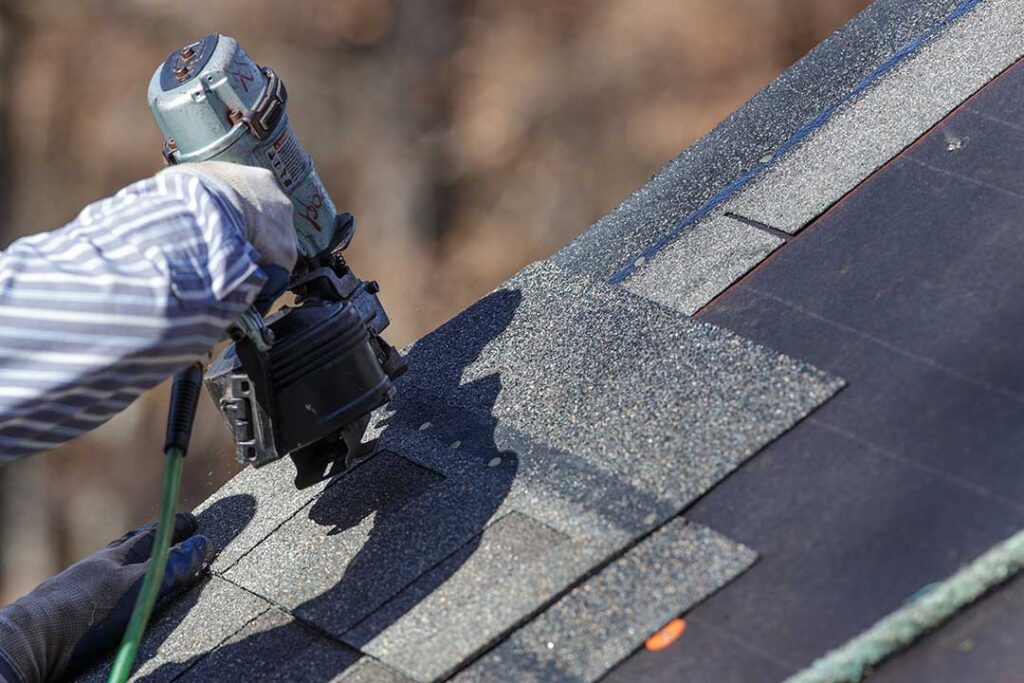
A roof tear-off is the removal of existing roofing materials before a new roof system is installed. For residents of Greene, NY, the process usually involves more than stripping off shingles. It also includes protecting the property, inspecting the roof deck, addressing hidden damage, installing new underlayment and flashing, and cleaning up roofing debris.
Understanding the sequence can make the work less surprising and help homeowners recognize which conditions are normal and which deserve closer attention.
What does “roof tear-off” mean?
A tear-off removes the existing roof covering, typically down to the roof deck. On a shingle roof, this may include asphalt shingles, old underlayment, flashing, ridge caps, and roofing fasteners.
A tear-off is different from a roof recover, sometimes called an overlay. A recover places new roofing over an existing layer. That approach may not be suitable when the old roof is badly worn, there are multiple layers, moisture is trapped, or the roof deck needs inspection.
Under New York’s residential code, roof replacement generally involves removing existing roof-covering layers down to the roof deck. Limited exceptions can apply to certain roof-covering systems and coating work, but a standard shingle replacement is commonly treated as a full replacement rather than a simple overlay.
What happens before the old roof is removed?
Preparation usually begins before anyone steps onto the roof. The work area may be inspected for access, electrical lines, skylights, chimneys, dormers, satellite equipment, landscaping, and areas where falling debris could cause damage.
Homeowners should expect some preparation around the house, including:
- Protective coverings over shrubs, porches, siding, windows, and nearby surfaces
- Temporary placement of a debris container or trailer
- Protection for doors and frequently used walkways
- Removal or covering of items attached to the roof
- Planning for vehicle access and driveway clearance
A tear-off is noisy. Scraping, hammering, footsteps, and falling materials can continue for much of the workday. It is wise to secure fragile wall decorations indoors, keep pets away from the work zone, and make arrangements for young children or anyone sensitive to noise.
How long does a roof tear-off take?
Many straightforward residential tear-offs can be completed in one working day, followed by additional time for installation or finishing work. Larger homes, steep roof sections, multiple roofing layers, complicated roof designs, and hidden damage can extend the schedule.
Weather is a major factor in Greene. Cold temperatures, rain, wind, and snow can affect whether roofing materials can be safely removed or installed. Winter conditions also make exposed roof decking and temporary protection more challenging. Because snowfall can occur during much of the colder season, roofing work is often planned around a reliable stretch of dry weather.
A roof should not be left exposed unnecessarily. If weather interrupts the work, temporary coverings may be used to protect the deck and interior spaces until the roof can be dried and completed.
What will the roof look like during the tear-off?
After the shingles are removed, sections of bare wood roof decking may be visible. This appearance can be alarming, but it is a normal part of the process. The roof deck is the structural surface beneath the underlayment and shingles.
The exposed deck is inspected for:
- Soft or spongy areas
- Water stains or darkened wood
- Cracked, split, or missing boards
- Open joints or holes
- Damage around chimneys, valleys, skylights, and roof edges
- Areas weakened by long-term leaks
Some roofs have plywood or oriented strand board decking. Older homes may contain boards of varying widths, especially around additions or remodeled sections. The condition of the deck cannot always be known accurately until the roof covering is removed.
What if damaged roof decking is found?
Roof-deck damage is one of the most common unexpected findings during a tear-off. Leaks around flashing, valleys, pipe penetrations, and roof edges can weaken the wood even when the ceiling damage inside the house appears minor.
Damaged decking should generally be repaired or replaced before new roofing is installed. Covering deteriorated wood can leave an unstable surface and may allow moisture problems to continue.
The amount of replacement may be small, such as a few boards near a chimney, or more extensive if water has entered over a long period. Homeowners should expect the final condition to differ from what was visible from the ground. Any changes to the planned work should be explained clearly, with the affected location and reason identified.
What materials are installed after the tear-off?
Once the deck is sound, the roof assembly is rebuilt from the lower layers upward. The exact materials vary by roof design and code requirements, but the work commonly includes:
- Drip edge at roof edges
- Ice-barrier protection in areas where required
- Underlayment across the roof deck
- New flashing around penetrations and roof intersections
- Ventilation components where appropriate
- Shingles or another selected roof covering
- Ridge caps and carefully sealed roof penetrations
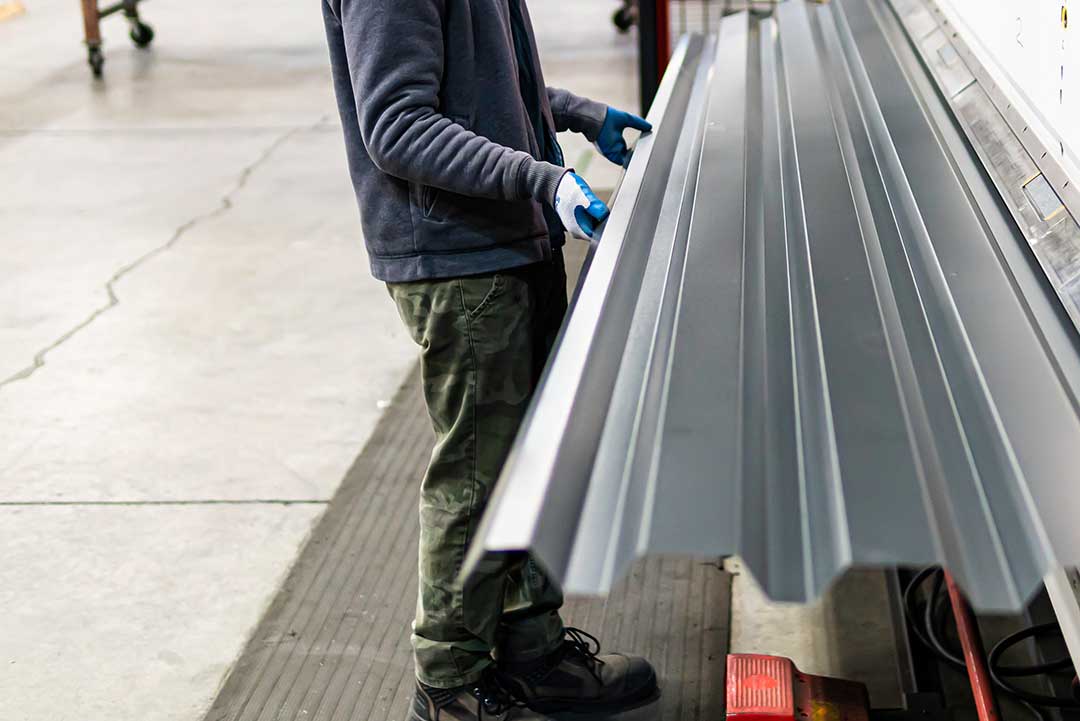
Ice-barrier protection is particularly relevant in cold-weather areas. Snow and ice can create water movement beneath the roof covering, especially near eaves and roof edges. Proper installation at valleys, wall intersections, chimneys, and penetrations is also essential because these areas are more vulnerable than broad, open sections of the roof.
Are permits required for a tear-off in Greene?
Roofing permits may be required for roof replacement or roof recover work in Greene. Local enforcement requirements can apply even when the work appears limited to replacing shingles.
Permit rules can vary according to the property’s jurisdiction, the type of building, and the scope of work. Questions about permits, inspections, and required documents should be directed to the applicable local code-enforcement office before work begins. A permit is not a guarantee of workmanship, but it helps ensure that the project is reviewed under the applicable building requirements.
New York’s building codes also address roof structure, ventilation, flashing, drainage, materials, and installation methods. Older roofs may not have been built under the same requirements that apply to current replacement work.
What should homeowners check during cleanup?
A proper cleanup includes more than removing the large pieces of roofing. Roofing crews should also account for loose nails, shingle fragments, underlayment scraps, flashing, and debris that may collect near gutters, foundation plantings, driveways, and walkways.
After the work, homeowners can reasonably look for:
- Nails or metal fragments around entrances and driveways
- Debris inside gutters or near downspouts
- Damaged screens, siding, trim, or exterior fixtures
- Leftover materials near landscaping
- Roofing debris in attic spaces or around interior ceilings
- Open or incomplete areas around vents, chimneys, and roof edges
A few small fragments can be missed, especially in grass or gravel, but the property should be left reasonably clear and safe. Gutters may need attention after tear-off because old shingle granules and debris can enter them during removal.
What is normal after the work is finished?
Some loose granules in gutters, mild temporary odors from roofing materials, and minor surface marks from protective equipment can occur. New shingles may also appear uneven at first and settle as they warm in the sun.
Persistent leaks, exposed fasteners, missing flashing, loose roofing materials, interior water stains, or sections that remain visibly incomplete are not conditions to ignore. If rain occurs soon after installation, check attic areas and ceilings beneath roof penetrations, valleys, and known trouble spots.
A roof tear-off is disruptive, but it provides an opportunity to inspect the roof deck and rebuild the roof system correctly rather than placing new materials over hidden problems. For area households, careful weather planning, proper temporary protection, attention to ice and water exposure, and compliance with local permit requirements are especially relevant to a durable result.
