
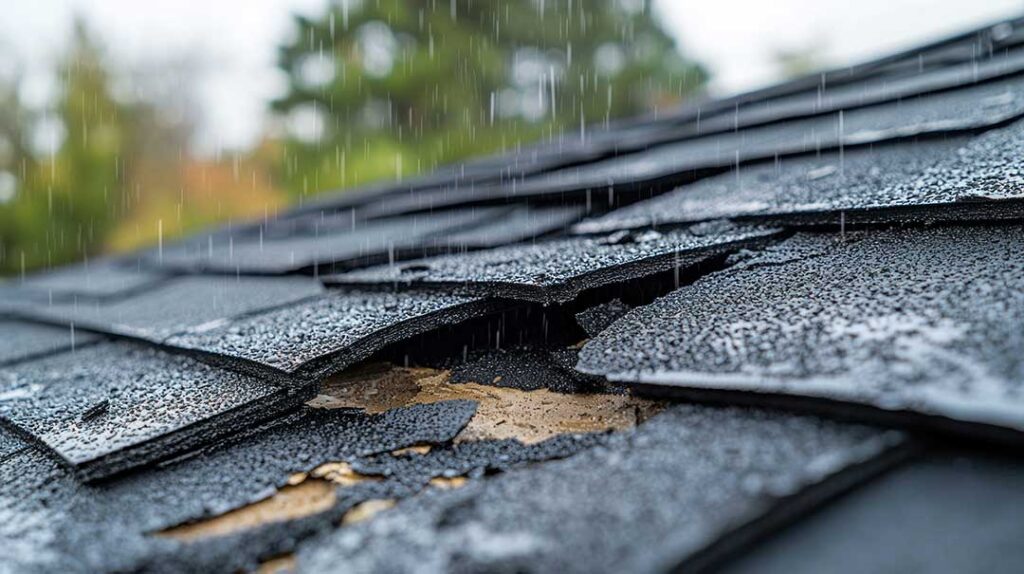
Roof leaks rarely come from a single obvious hole. Water may enter at a damaged shingle, flashing joint, vent, or roof edge, then travel along framing before appearing on a ceiling far from the original problem. Understanding the common causes helps residents of Greene, NY recognize warning signs and avoid confusing surface stains with the actual source.
What are the most common causes of roof leaks?
The most frequent causes are damaged roofing materials, failed flashing, clogged drainage, ice dams, poor ventilation, and installation or maintenance problems. Older roofs can also develop leaks simply because sealants, underlayment, fasteners, and exposed materials have deteriorated over time.
Common sources include:
- Cracked, missing, lifted, or worn shingles
- Deteriorated flashing around chimneys, walls, skylights, and vents
- Blocked gutters and downspouts
- Ice dams and repeated freeze-thaw cycles
- Roof penetrations that were not sealed correctly
- Condensation caused by attic moisture
- Damage from falling branches, animals, or foot traffic
- Improperly installed repairs or overlapping roofing layers
A small stain does not always indicate a small problem. Even a slow leak can wet insulation, roof decking, framing, and drywall.
How do damaged shingles cause water to enter?
Shingles protect the roof deck by shedding water downhill. If a shingle is missing, cracked, curled, blistered, or lifted by wind, water can reach the underlayment and wood deck beneath it.
Asphalt shingles may become brittle after years of sun, temperature changes, and winter exposure. Strong winds can loosen tabs or remove shingles entirely. Granules collecting in gutters are another sign that the shingle surface is wearing away, although some granule loss is normal on newer roofing.
Water does not always enter directly beneath the damaged shingle. It may move sideways under adjacent courses before reaching a nail hole, seam, or weak area. This is why replacing only the spot directly above an interior stain may not solve the leak.
Why is flashing a frequent source of leaks?
Flashing is the material used to direct water away from joints and changes in roof shape. It is commonly installed around chimneys, plumbing vents, skylights, dormers, sidewalls, and roof-to-wall intersections.
Flashing may leak when it:
- Pulls away from masonry or siding
- Rusts or develops pinholes
- Cracks at seams
- Loses its sealant
- Was installed without proper overlapping
- Becomes covered or disturbed during later repairs
Chimney areas deserve particular attention because they combine masonry, metal, roofing materials, and vertical joints. A ceiling stain near a chimney does not necessarily mean the chimney itself is leaking; the surrounding step flashing, counterflashing, or roof intersection may be responsible.
Sealant alone is not a permanent substitute for correctly designed flashing. Caulk can shrink, crack, or separate as materials expand and contract.
Can clogged gutters cause roof leaks?
Yes. Gutters do not usually cause a roof covering to fail by themselves, but blocked drainage can direct water into places it was never meant to go.
Leaves, twigs, shingle granules, and ice can slow or stop water flow. During heavy rain, water may overflow against fascia boards, siding, roof edges, or exterior walls. If the roof edge is already deteriorated, persistent wetting can damage the deck and supporting wood.
Downspouts also matter. A downspout that is blocked, disconnected, or unable to discharge water away from the building can contribute to wet walls and foundation-area moisture. In some cases, what appears to be a roof leak is actually water entering at the gutter line or running behind the gutter.
How do ice dams create winter roof leaks?
Ice dams form when snow melts on a warmer section of the roof and refreezes near the colder eaves. The resulting ridge of ice can trap later meltwater, allowing it to move beneath shingles and into the roof assembly.
This problem is more likely when attic heat escapes unevenly through the roof deck. Insufficient insulation, air leaks around attic openings, blocked soffit vents, and unbalanced ventilation can all contribute.
Ice dams are especially concerning because the visible ice may be far from the point where water enters the home. Water can travel along the underside of the roof deck before staining a ceiling or wall.
Removing ice with a hammer, axe, or sharp tool can damage shingles and create additional openings. Climbing onto an icy roof also presents a serious fall hazard. Safe prevention focuses on keeping the roof deck temperature more uniform through proper air sealing, insulation, and ventilation.
Why can poor attic ventilation look like a roof leak?
Not all ceiling moisture comes from rain or melting snow. Warm indoor air can enter a cold attic, where moisture condenses on nails, roof decking, insulation, and framing. Over time, this may produce damp insulation, darkened wood, peeling paint, or water-like stains.
Condensation is more likely when bathrooms, kitchens, dryers, or other moisture-producing areas exhaust into the attic instead of outdoors. It can also occur when attic vents are blocked or when insulation covers intended airflow paths.
A useful clue is timing. Rain-related leaks often appear after storms, while condensation may cause recurring moisture during cold weather even when there has been little precipitation.
Can roof penetrations and small openings cause major damage?
Yes. Plumbing vent boots, satellite mounts, antenna supports, exhaust vents, skylights, and other penetrations interrupt the roof surface. Each opening requires proper flashing and a durable seal.
Rubber components around plumbing vents can crack with age. Fasteners may loosen, and repairs or additions may leave exposed holes. Water can also enter around an improperly flashed exhaust vent even when the vent itself appears intact.
Any object attached to a roof creates another place for wind-driven rain and melting snow to collect. Penetrations should be inspected after major roof work, severe weather, or changes to rooftop equipment.
What damage can trees, animals, and foot traffic cause?
Branches can scrape shingles, puncture roofing, or damage flashing during storms. Falling limbs may cause immediate structural damage, while repeated contact from overhanging branches slowly wears away the protective surface.
Birds, squirrels, and other animals may pull at ridge materials, chew openings, or disturb insulation near roof edges. Small openings can allow both water and additional animals into the attic.
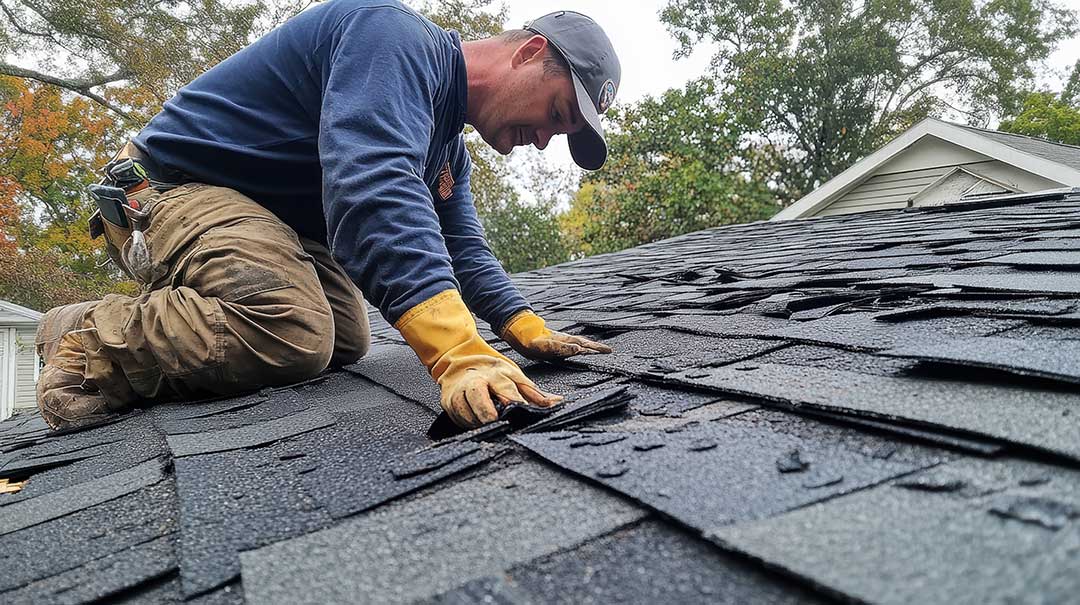
Walking on shingles can also cause damage, particularly when the roofing is cold, brittle, wet, or already aged. Foot traffic around vents, skylights, and roof edges may loosen materials that initially look undisturbed.
What should residents check when a leak appears?
Start indoors and document what is visible. Look for:
- Brown or yellow ceiling stains
- Peeling paint or bubbling drywall
- Damp insulation
- Musty odors
- Dripping near light fixtures or electrical wiring
- Water appearing only during wind-driven rain
- Stains that grow after snow begins to melt
If water is near electrical equipment, avoid touching the fixture or nearby wiring and address the electrical hazard promptly. Place a container beneath active dripping if it can be done safely, but avoid climbing onto the roof during rain, snow, or ice.
The location of the stain is a clue, not proof of the entry point. A careful inspection may need to include the roof surface, attic, flashing, gutters, ventilation, and areas where plumbing or mechanical equipment passes through the building.
How can roof leaks be prevented?
Regular observation is more useful than waiting for a ceiling stain. After major wind, heavy rain, or a period of snow and thawing, inspect visible roof edges and drainage areas from the ground. Keep gutters and downspouts clear, trim branches that contact the roof, and watch for loose or missing roofing materials.
Inside the attic, look for daylight through the roof deck, damp insulation, rusted fasteners, mold-like spotting, and blocked ventilation openings. Moisture problems are easier to correct before wood decking or interior finishes are damaged.
In Greene, winter weather can combine snow, ice, wind, and repeated temperature changes. Roof systems therefore need attention not only at the shingle surface but also at the edges, drainage paths, flashing details, and attic conditions that influence how the roof handles moisture.
