
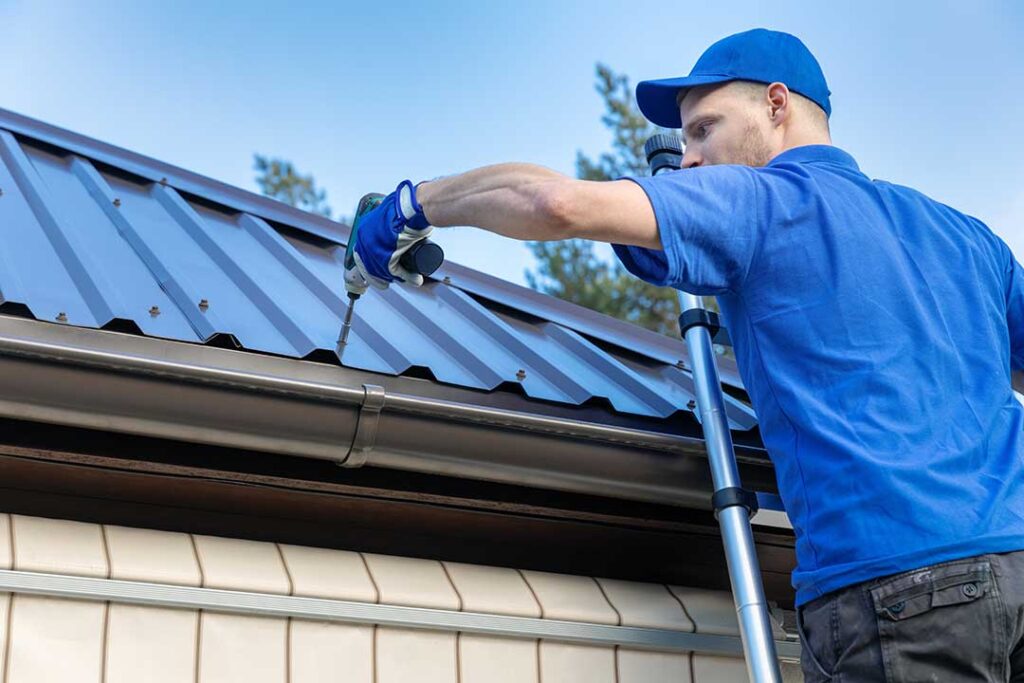
Roof maintenance does not always require specialized equipment, but it does require the right tools for the task. A basic inspection from the ground may need only binoculars and a flashlight, while cleaning gutters or examining flashing may require a stable ladder, protective equipment, and tools suited to roofing materials.
For homes in Greene, NY, seasonal weather makes routine inspection especially useful. Snow, ice, wind, freeze-thaw cycles, falling branches, and damp conditions can affect shingles, gutters, flashing, and roof edges over time. The following tools can help residents identify developing problems before they become interior leaks or more extensive damage.
What tools are useful for a basic roof inspection?
The most useful inspection tools are often simple and can be used without stepping onto the roof.
- Binoculars: These allow a closer look at shingles, ridge caps, vents, chimney flashing, and roof penetrations from the ground.
- A bright flashlight: Useful for inspecting attic spaces, roof sheathing, insulation, and areas around chimneys or plumbing vents.
- A notepad or digital camera: Recording the location of missing shingles, lifted flashing, stains, or moss growth makes it easier to track changes over time.
- A moisture meter: This can help identify damp areas in attic wood or interior walls, although readings should be interpreted carefully because moisture can migrate away from the original leak.
- A tape measure: Helpful for documenting the size of damaged areas or checking whether gutters and downspouts are properly positioned.
A roof inspection should begin from the ground. Look for uneven roof lines, sagging areas, dark patches, loose materials, excessive granule buildup in gutters, and daylight visible through the attic roof deck. These signs may indicate a problem that should not be addressed by walking on the roof.
What ladder is appropriate for roof and gutter maintenance?
A sturdy extension ladder is generally more suitable than a step ladder for reaching gutters or observing lower roof edges. The ladder should be long enough to extend above the landing surface, placed on firm and level ground, and kept clear of overhead electrical hazards.
Before use, inspect the ladder for cracked rails, bent hardware, worn feet, loose fasteners, or slippery rungs. Maintain three points of contact while climbing: two hands and one foot, or two feet and one hand. Avoid carrying bulky tools in your hands; use a tool belt or raise equipment after reaching a stable position.
A ladder is access equipment, not a substitute for fall protection. Do not place a ladder on top of a scaffold, porch, platform, or other elevated surface to gain extra height. Avoid climbing during rain, snow, frost, strong wind, or other conditions that make rungs or roof surfaces slippery.
For many homeowners, gutter inspection and ground-level observation are reasonable maintenance tasks. Walking on a pitched roof, especially one covered with moss, frost, or wet leaves, presents a substantially higher risk.
Which hand tools are helpful for minor roof maintenance?
Several common tools are useful for tasks performed from a ladder or at ground level.
- Work gloves: Choose gloves that protect against sharp metal edges, splinters, fasteners, and wet debris while still allowing a secure grip.
- A plastic gutter scoop: Plastic is less likely than metal to scratch or dent aluminum gutters.
- A stiff hand brush: Useful for removing loose leaves and sediment from gutters, although aggressive scraping can damage finishes.
- A garden hose with an adjustable nozzle: Helpful for flushing gutters and checking whether water moves freely through downspouts.
- A small pry bar and roofing hammer: These are repair tools, but using them without understanding how shingles and flashing are layered can create additional damage.
- A caulking tool and compatible sealant: Sealants have limited uses and should not be treated as a permanent solution for widespread flashing failure or deteriorated roofing materials.
- A utility knife: Useful for cutting roofing underlayment or packaging, but it should be handled carefully and stored with the blade retracted.
Maintenance tools should match the roofing material. Asphalt shingles, metal panels, rubber membranes, and older roofing products do not respond the same way to scraping, pressure washing, solvents, or fasteners.
What safety equipment should be included?

Personal protective equipment is part of roof maintenance, not an optional extra.
Eye protection is useful when clearing gutters, brushing debris, or working beneath roof edges. A hard hat may be appropriate when branches, tools, or debris could fall from above. Slip-resistant footwear provides better footing than smooth-soled shoes, but no footwear makes an icy or wet roof safe to walk on.
A fall-arrest harness is not a simple substitute for caution. It must be connected to a properly designed and installed anchor system, and incorrect use can create serious hazards. Temporary maintenance work near roof edges may also require guardrails, designated safe areas, or other fall-protection measures depending on the roof and working conditions.
Keep tools secured so they cannot slide from a roof or ladder. Establish a clear area below before moving debris, and never toss shingles, metal, branches, or gutter material toward walkways, driveways, or planted areas.
Are roof-cleaning tools safe for shingles?
Roof cleaning should be gentle. A pressure washer can remove protective granules from asphalt shingles, force water beneath roofing layers, and damage flashing or sealant. Wire brushes, aggressive scraping, and harsh chemical mixtures may also shorten the life of roofing materials.
For light debris, a soft brush or leaf blower used from a safe position may be sufficient. Moss and lichen should not be pulled forcefully from shingles because roots or attached growth can lift the roofing surface. If cleaning is necessary, use a method compatible with the roofing manufacturer’s instructions and avoid directing water upward beneath shingle edges.
In shaded or damp areas, moss may return unless the underlying moisture and drainage conditions are addressed. Overhanging branches, blocked gutters, and limited sunlight can all contribute to persistent growth.
Which tools help with seasonal maintenance in Greene, NY?
Seasonal inspections are especially useful in a region with winter snow, ice, and repeated freezing and thawing.
Before winter, useful items include binoculars, a flashlight, a ladder for safe gutter access, gloves, and a hose for checking downspouts. Clear leaves and sediment before freezing weather so water has a better chance of draining during rain and thaw periods.
After major snow, ice, or wind events, inspect from the ground for displaced shingles, bent gutters, damaged flashing, fallen branches, or unusual roof sagging. A roof rake may help remove limited snow from a low section when used from the ground, but improper use can damage shingles and create falling-snow hazards. Snow removal from steep or elevated roofs should not be treated as a routine do-it-yourself task.
Inside the attic, look for damp insulation, water marks, rusty fasteners, peeling wood, or musty odors. These signs can appear before a ceiling stain becomes visible.
When should roof maintenance stop being a do-it-yourself task?
Stop work when the roof is wet, icy, steep, structurally unstable, or difficult to access safely. Extra caution is also needed around skylights, solar equipment, chimneys, overhead wires, fragile roofing, and areas with visible sagging.
A trained roofing worker is appropriate when the task involves walking on a steep roof, repairing structural damage, replacing extensive flashing, addressing an active leak, or using fall-protection equipment. Maintenance is useful because it reveals problems early, but safety comes before completing a checklist or saving a few minutes.
The most valuable roof-maintenance tools are not limited to ladders and hand tools. Good lighting, careful observation, weather awareness, written records, and the willingness to stop when conditions are unsafe often prevent more damage than a hurried repair.
