
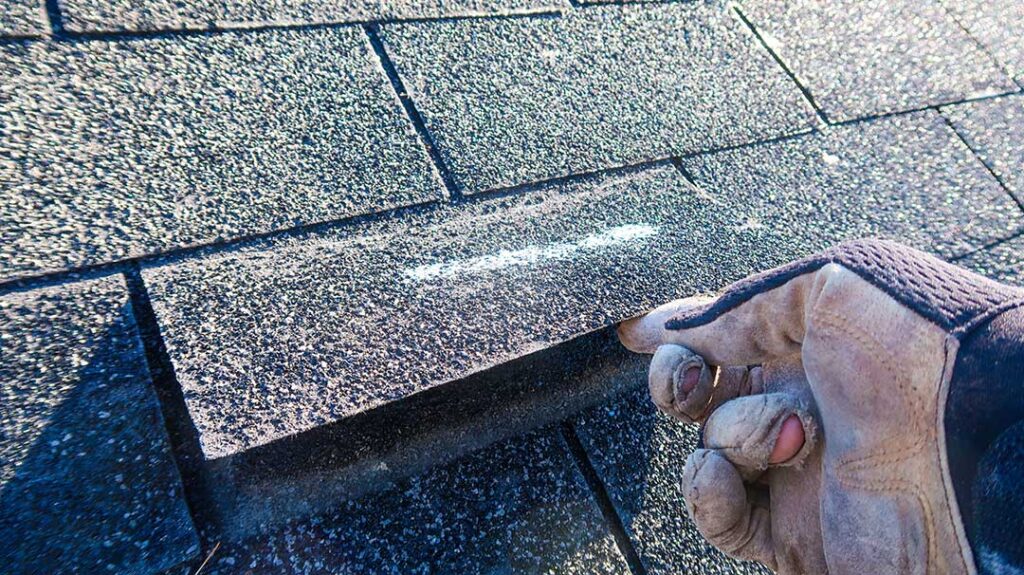
A new roof can reduce some indoor allergen problems by limiting water intrusion, controlling attic moisture, and supporting better ventilation. It does not act as an air filter, however. The greatest benefit usually comes when roof replacement is combined with proper flashing, sealed attic boundaries, adequate insulation, and regular HVAC filter changes.
Can a new roof reduce allergens inside a home?
Yes, but mostly indirectly. A sound roofing system helps keep rain, melting snow, and wind-driven moisture out of the attic and upper parts of the home. Lower moisture levels can make the indoor environment less favorable for mold growth, dust mites, and musty odors.
Roofing materials themselves do not remove pollen, pet dander, dust, or other airborne particles. Instead, a roof can reduce the conditions that allow certain allergens and irritants to multiply or spread.
This distinction matters because a home may have a new roof and still experience allergy symptoms caused by carpeting, furniture, pets, plumbing leaks, outdoor air entering through gaps, or an HVAC system that needs cleaning.
How does roof moisture affect indoor allergens?
Moisture is one of the main connections between roofing problems and indoor air quality. A small roof leak may wet roof decking, attic insulation, rafters, drywall, or ceiling materials. Even when the leak is not visible in living spaces, repeated dampness can support mold growth.
Common warning signs include:
- Musty odors near ceilings, attic access panels, or upper-floor closets
- Brown or yellow ceiling stains
- Damp insulation or darkened roof sheathing
- Peeling paint near the top floor
- Mold-like spotting on framing or drywall
- Allergy or respiratory irritation that is worse at home
Mold spores are naturally present in outdoor and indoor air, but persistent moisture can allow colonies to grow. Replacing damaged roofing and correcting the source of water can reduce that moisture burden. Porous materials that have remained wet may still need separate cleaning or replacement.
Why are attic ventilation and air sealing important?
A roof replacement creates an opportunity to inspect the attic system. Proper ventilation helps release heat and moisture, while air sealing reduces the movement of attic air into the living area.
This is especially relevant in homes with:
- Bathroom fans that vent into the attic
- Gaps around plumbing pipes, wiring, or recessed lights
- An attic hatch that does not close tightly
- Blocked soffit or roof vents
- Compressed, wet, or displaced insulation
- Condensation on roof sheathing during cold weather
Attic air is not always clean air. It may contain dust, insulation fibers, rodent debris, mold spores, and outdoor particles. If air leaks through ceiling penetrations, those materials can move into bedrooms and living spaces.
A roof itself cannot correct these problems. Ventilation and air sealing must be designed together. Adding vents without addressing air leakage can sometimes move moisture around without solving the underlying issue.
Can a new roof help with pollen and seasonal allergies?
It may help reduce some pathways for outdoor particles, but it will not prevent pollen from entering a home. Seasonal pollen commonly enters through open windows, doors, clothing, pets, duct leaks, and mechanical ventilation systems.
A roofing project may improve the situation if the old roof had openings, deteriorated flashing, or poorly sealed roof penetrations that allowed wind-driven dust and outdoor air into the attic. Sealing the attic boundary can also reduce the movement of particles from the attic into rooms below.
For seasonal allergy control, roof work is only one part of a broader approach. Useful measures include:
- Keeping windows closed during high-pollen periods when practical
- Removing shoes at the entry
- Washing bedding regularly
- Using appropriately rated HVAC filters
- Cleaning return-air grilles and supply registers
- Controlling indoor humidity
- Bathing or brushing pets after outdoor activity
What role does humidity play in homes in Greene, NY?
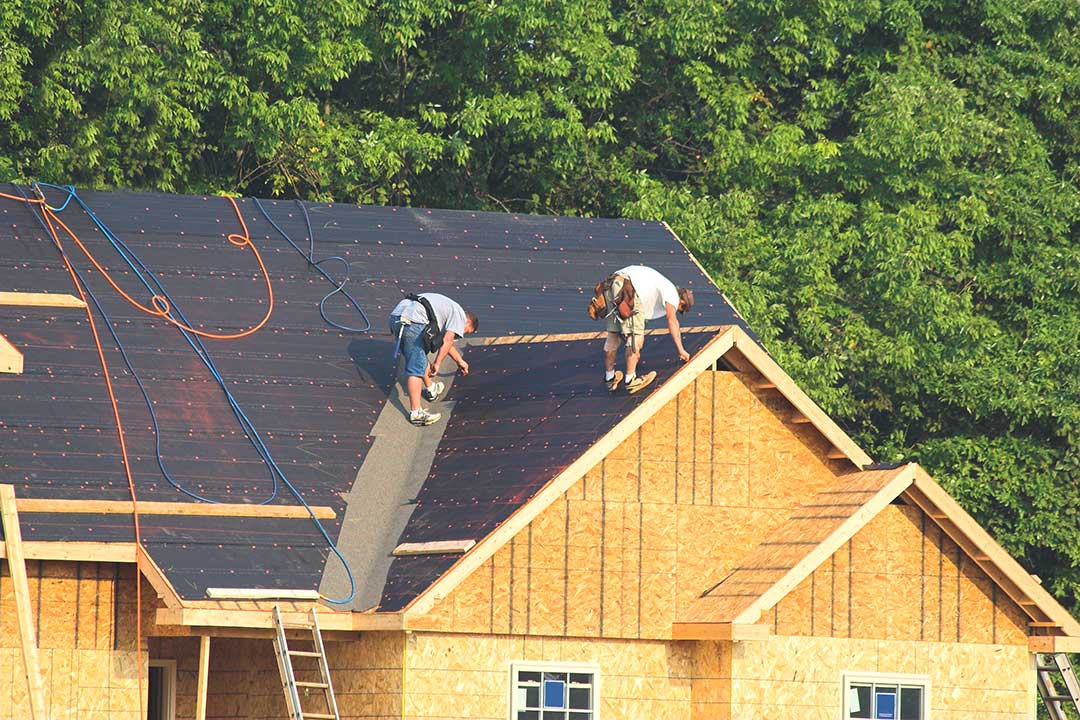
Homes in Greene, NY experience changing moisture conditions throughout the year. Snow, spring rain, summer humidity, and temperature swings can all test roofing materials, flashing, gutters, and attic ventilation.
During cold weather, warm indoor air can rise through ceiling gaps and condense on cold roof surfaces. During warmer months, humid outdoor air can enter poorly sealed attic areas. If roof leaks or ventilation problems are present at the same time, moisture can remain trapped for longer periods.
Indoor relative humidity is often most comfortable and less supportive of mold and dust mites when it is kept at a moderate level. A simple hygrometer can help identify unusually humid rooms, although readings should be interpreted in relation to temperature and the location of the measurement.
Roofing repairs should also account for drainage. Clogged or poorly directed gutters can allow water to run behind fascia, soak roof edges, or collect near exterior walls. That moisture may eventually contribute to damp ceilings or wall cavities.
Does replacing a roof remove existing mold?
No. Roof replacement removes or repairs the exterior source of water, but it does not automatically remove mold that has already developed indoors.
Mold-related work may involve several separate steps:
1. Locating and stopping the moisture source
2. Drying affected areas
3. Removing unsalvageable porous materials
4. Cleaning appropriate surfaces
5. Correcting attic ventilation or air leakage
6. Checking whether odors or contamination have spread
Small, localized surface growth is different from widespread growth inside insulation, wall cavities, or ductwork. Extensive contamination, persistent respiratory symptoms, or uncertainty about safe cleanup can justify guidance from a qualified indoor-environment or remediation specialist. Disturbing moldy materials without proper containment may spread spores.
What should homeowners look for during roof replacement?
A roof inspection should include more than shingles or other exterior covering. Conditions that affect indoor air quality may be found at the roof deck, edges, penetrations, and attic.
Useful questions include:
- Is the roof decking dry and structurally sound?
- Are flashing and pipe penetrations protecting against leaks?
- Is attic insulation dry and evenly distributed?
- Are soffit, ridge, gable, or other vents functioning as intended?
- Do bathroom and kitchen exhaust fans discharge outdoors?
- Are ceiling penetrations sealed?
- Are gutters and downspouts directing water away from the structure?
- Is there evidence of rodents, nesting material, or damaged insulation?
The answers can reveal that an apparent “roof problem” is actually a combination of roofing, ventilation, insulation, and air-sealing issues.
When might allergy symptoms be unrelated to the roof?
A new roof is unlikely to resolve symptoms caused by indoor sources outside the roofing system. Persistent sneezing, congestion, coughing, wheezing, or eye irritation may be linked to dust mites, pets, tobacco smoke, cleaning products, combustion byproducts, or an HVAC system with contaminated components.
Symptoms that occur only in one room may point toward a localized moisture or ventilation issue. Symptoms that affect multiple occupants, worsen during heating or cooling cycles, or continue after visible moisture is corrected may require a broader indoor-air investigation.
Medical symptoms should not be used as the only method of diagnosing a building problem. Health concerns belong with a healthcare provider, while building conditions should be evaluated separately.
A new roof can support a healthier indoor environment when it prevents leaks, improves moisture control, and is paired with sound attic practices. The key benefit is not that roofing material traps allergens; it is that a dry, properly ventilated, well-sealed building gives mold and other moisture-related irritants fewer opportunities to develop and circulate.
