
What should homeowners check on a roof in fall?
Fall is a useful time to inspect a roof because leaves, rain, wind, and freezing temperatures can expose small problems before winter weather makes them harder to address. In Greene, NY, seasonal maintenance should focus on drainage, flashing, ventilation, attic moisture, and safe access.
A fall roof check does not require walking across the roof. Many problems can be identified from the ground, attic, upper windows, or a ladder placed safely at the edge. If a roof is steep, wet, icy, unusually high, or damaged, staying off it is the safer choice.
Look for:
- Missing, cracked, curled, or lifted shingles
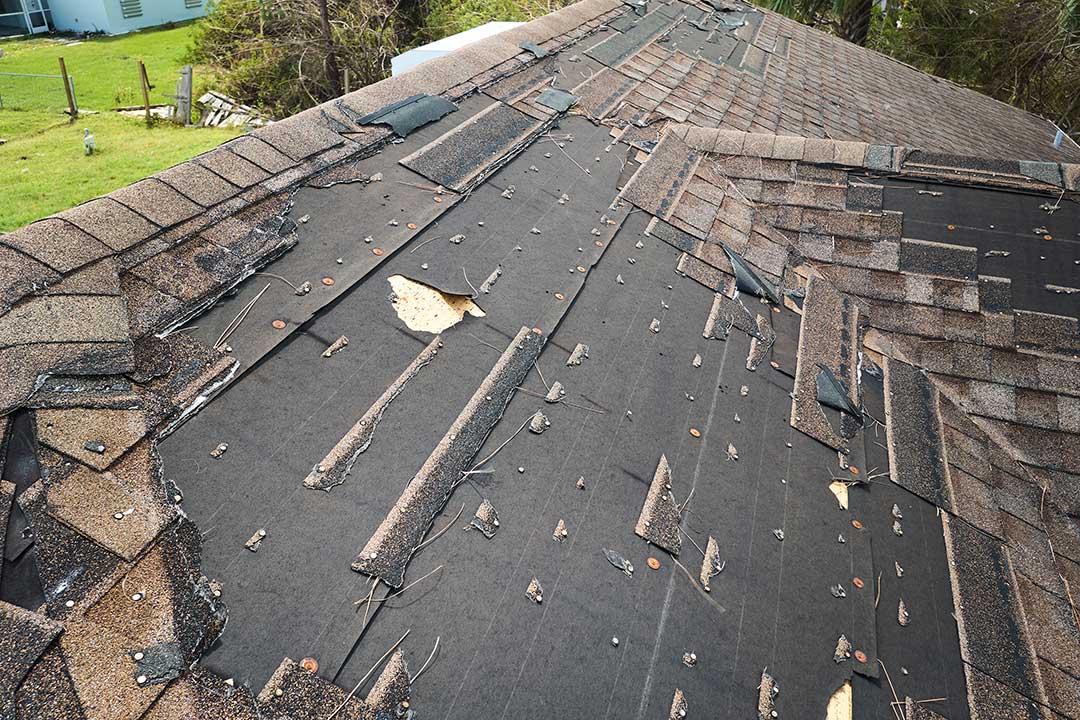
- Exposed fasteners or dark areas where the roof surface appears worn
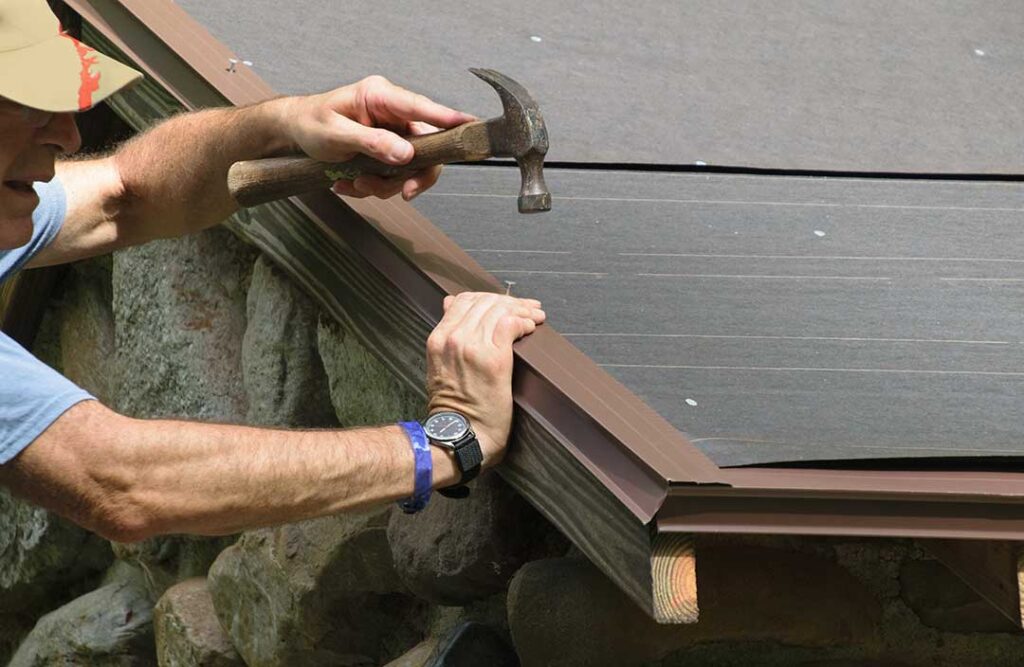
- Loose metal around chimneys, vents, skylights, and roof edges
- Sagging roof lines or areas that hold water
- Excessive granules collecting in gutters or at downspout outlets
- Branches resting on the roof or rubbing against shingles
- Stains on exterior walls, ceilings, or attic framing
A few damaged shingles may not cause an immediate interior leak, but freezing and thawing can enlarge openings. Fall repairs are generally easier before repeated snow, ice, and cold temperatures limit access.
How do leaves and gutters affect roof performance?
Leaves do not usually damage shingles by themselves, but they can block gutters, slow drainage, and keep roof edges damp. Clogged gutters may overflow against fascia boards, siding, windows, or the foundation. In freezing weather, trapped water can also become heavy ice.
Clean gutters after most leaves have fallen, then check them again after major windstorms. Pay attention to valleys, inside corners, and areas below trees because those locations often collect debris first.
While cleaning, check whether:
- Gutters pull away from the fascia
- Water stands in low sections
- Seams are separating
- Downspouts are blocked
- Extensions discharge water safely away from the foundation
- Screens or guards are packed with wet leaves
Gutter guards reduce the amount of large debris entering a gutter, but they do not eliminate maintenance. Small leaves, seeds, roof granules, and ice can still interfere with drainage. Any guard system should be checked rather than assumed to be working.
Avoid using a leaf blower from a roof edge or leaning beyond a ladder’s safe reach. Falls are a major risk during seasonal maintenance, especially when surfaces are damp.
Why should flashing and roof penetrations receive special attention?
Flashing protects the places where the roof meets another material or where something passes through the roof. These areas are common sources of leaks because they experience movement, weather exposure, and repeated temperature changes.
Inspect visible flashing around:
- Chimneys
- Plumbing vent pipes
- Skylights
- Dormers
- Wall intersections
- Valleys
- Roof edges and rake edges
Look for lifted metal, cracked sealant, rust-through, gaps, or stains below the flashing. Sealant alone is not a substitute for properly installed flashing. Applying new caulk over a loose or poorly shaped joint may hide a problem temporarily without correcting it.
A chimney should also be checked for damaged mortar, loose masonry, or a missing cap. Water entering through a chimney can travel along framing and appear far from the original opening.
What should be checked in the attic?
The attic can reveal roof problems before they become obvious inside living areas. Inspect it on a dry day using a flashlight, and avoid stepping between ceiling joists unless a secure walking surface is present.
Look for:
- Damp insulation
- Water stains or darkened wood
- Daylight visible through the roof deck
- Rusted nails
- Mold-like growth
- Frost or moisture on roof sheathing
- Blocked soffit vents
- Compressed or displaced insulation near eaves
Not every attic stain indicates an active leak. Old stains may remain after a previous repair, while new discoloration, dampness, or musty odors suggest continuing moisture.
Ventilation is also part of roof maintenance. Intake vents at the eaves and exhaust vents near the ridge or upper roof areas should not be blocked by insulation or debris. Poor airflow can allow heat and moisture to build up, contributing to condensation, deteriorating sheathing, and winter ice buildup.
Bathroom and kitchen exhaust fans should vent outdoors, not into the attic. Warm, moist air discharged into a cold attic can condense on roof framing even when the roof itself is intact.
How can homeowners prepare for ice and snow?
A roof cannot be made completely immune to ice dams, but several conditions can make them more likely. Heat escaping into the attic can warm the underside of the roof, causing snow to melt and refreeze near colder eaves.
Before winter, check that:
- Attic insulation is evenly distributed
- Recessed lights and other fixtures are properly sealed where required
- Attic access panels fit tightly
- Soffit vents are open
- Gutters and downspouts are clear
- Tree limbs that could break under snow are not touching the roof
Do not use salt, a hatchet, or sharp tools to remove roof ice. These methods can damage shingles, metal, gutters, and nearby surfaces. Roof raking should also be approached carefully because aggressive scraping can remove protective granules or damage the roof covering.
If significant snow accumulates or ice blocks drainage, the safest response depends on the roof design, height, weather, and condition. Hazardous conditions may require qualified assistance rather than a do-it-yourself attempt.
Does roof maintenance change for older homes?
Older homes often have additions, multiple roof slopes, enclosed porches, masonry chimneys, or several layers of roofing materials. These features can create drainage transitions that are easy to overlook.
Check where newer and older roof sections meet. Look for ponding, deteriorated wood trim, loose step flashing, and gutters that stop short of lower roof sections. Areas above porches and side additions deserve attention because water from an upper roof may discharge onto a lower roof or wall.
Homes with slate, wood, metal, or low-slope roofing need maintenance methods suited to those materials. Walking on some roofing types can cause damage even when the surface appears strong. Avoid treating every roof as if it were an asphalt-shingle roof.
When does a roof problem require prompt attention?
Some warning signs should not wait until spring:
- Active dripping during or after rain
- A ceiling stain that is growing
- Sagging roof decking or interior ceilings
- Large areas of missing roofing
- Exposed underlayment
- A damaged chimney or vent
- Water entering near electrical fixtures
- A tree limb that has struck the roof
- Severe wind damage
Move valuables away from a leak and place a container under dripping water if it is safe. Avoid touching wet electrical equipment or standing beneath a visibly sagging ceiling. Roof work involving steep slopes, ice, structural damage, or storm debris presents genuine fall and collapse hazards.
A careful fall inspection, clear drainage paths, and a dry, properly ventilated attic can help a roof handle the colder months with fewer surprises. The most useful maintenance is usually straightforward: observe changes, address water entry early, and avoid creating additional damage while trying to make repairs.
