
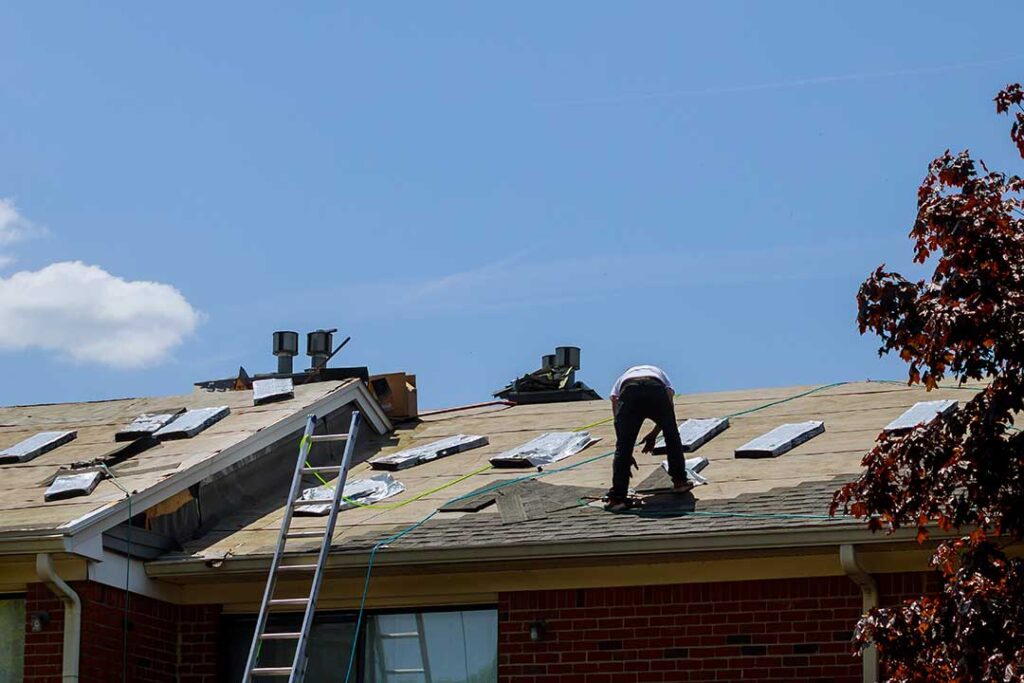
Regular roof maintenance is the routine inspection, cleaning, and minor repair of a roof before small problems become major damage. For homes in Greene, NY, this matters because roofs must handle changing conditions throughout the year, including heavy rain, snow, ice, wind, falling leaves, and repeated freeze-thaw cycles.
A roof does more than keep water out. It protects insulation, ceilings, walls, framing, electrical systems, stored belongings, and the overall structure of a home. Preventive attention helps preserve those systems and makes roof problems easier to manage.
Why does regular roof maintenance matter?
Regular maintenance helps identify damage while it is still limited to a small area. A missing shingle, loose flashing joint, blocked gutter, or damaged vent may not cause an obvious interior leak right away. Over time, however, water can reach roof decking, attic insulation, wall cavities, and finished rooms.
Routine inspections can help detect:
- Cracked, curled, loose, or missing shingles
- Damaged flashing around chimneys, vents, skylights, and roof edges
- Sagging areas or visibly uneven roof lines
- Granules collecting in gutters or at downspout outlets
- Moss, algae, leaves, and other debris holding moisture against the roof
- Rust, exposed fasteners, or separated seams on metal components
- Damp insulation, water stains, or musty odors in the attic
The purpose is not to make a roof look perfect. It is to find conditions that may shorten its service life or allow water to enter the building.
How does maintenance extend roof life?
A roof usually deteriorates gradually rather than failing all at once. Sunlight, wind, moisture, temperature changes, and mechanical stress slowly weaken roofing materials. Maintenance reduces the amount of time those materials remain exposed to damaging conditions.
For example, clearing leaves from valleys and roof edges helps prevent moisture from staying against shingles. Keeping gutters and downspouts open allows rain and melting snow to drain away instead of backing up beneath roof edges. Replacing damaged flashing can stop water from reaching wood around penetrations.
Minor repairs also help prevent related damage. A small opening around a vent may eventually wet the roof deck. Once the deck softens, nearby shingles may lose support, and the affected area can become larger and more expensive to correct.
Maintenance cannot make an aging roof last indefinitely. It can, however, help the existing roof perform closer to its expected life by addressing avoidable problems early.
What seasonal roof issues should Greene, NY, homeowners watch for?
The local climate creates different roof concerns during each season. Winter conditions deserve particular attention because snow, ice, wind, and sudden temperature changes can place extra stress on roofing systems.
Before winter, check that gutters, downspouts, roof valleys, and drainage paths are free of leaves and other debris. A blocked drainage system can contribute to ice buildup when melting snow has nowhere to flow.
During periods of heavy snow, watch for warning signs such as:
- Large drifts concentrated near roof transitions or higher roof sections
- Sagging ceilings or unusual movement in the roof structure
- Doors that suddenly stick because of structural shifting
- New cracks around interior walls or ceilings
- Water stains appearing after a thaw
Snow and ice should not be removed from a roof by walking on slippery surfaces or using tools that can damage shingles. Roof raking from the ground may be appropriate for some simple roof designs, but steep, high, icy, or complex roofs create significant fall hazards.
Spring is a useful time to look for winter damage. Wind may loosen shingles, ice may affect flashing, and repeated freezing and thawing may widen small cracks. Summer inspections can reveal heat-related deterioration, while fall maintenance should focus on drainage and preparation for snow.
Can roof maintenance prevent ice dams?
Maintenance can reduce the likelihood and severity of ice dams, but it cannot guarantee that they will not form. Ice dams develop when snow melts on a warmer portion of the roof and refreezes near colder eaves. The resulting ice can block drainage and allow water to move beneath roofing materials.
Keeping gutters and downspouts clear is one part of prevention. Attic insulation and ventilation also matter because excessive heat escaping into the attic can create uneven roof temperatures.
Signs of possible ice-dam problems include:
- Thick bands of ice along the roof edge
- Icicles forming repeatedly in the same location
- Damp attic insulation near exterior walls
- Water stains near ceilings or outside walls
- Peeling paint or swollen trim after winter weather
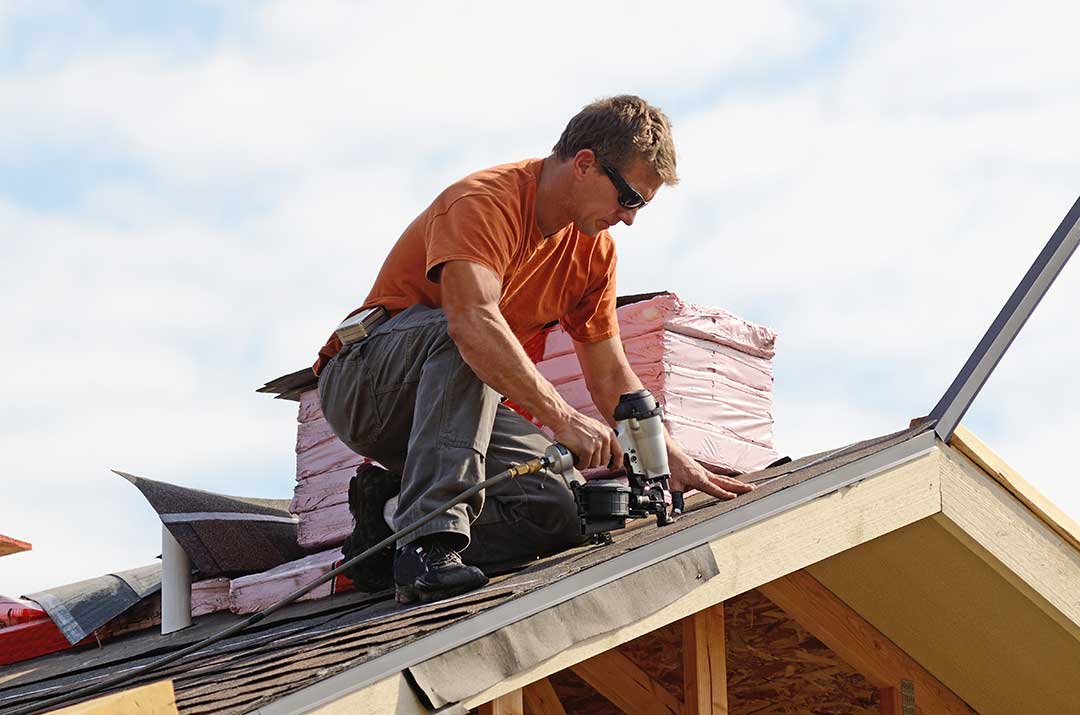
Removing visible ice without addressing attic heat loss may provide only temporary relief. Ice dams can also be dangerous to remove because falling ice may injure people or damage property below.
What roof maintenance can homeowners safely do?
Some maintenance tasks are appropriate from the ground or from a stable, properly positioned ladder. These include looking for missing shingles, checking visible gutters, observing downspout discharge, and examining attic areas for stains or dampness.
Homeowners can also keep nearby tree limbs trimmed when they threaten to scrape the roof or drop branches. Leaves and small debris should be cleared from accessible gutters before they become compacted and difficult to remove.
Roof walking is riskier than it may appear. Shingles can be slippery even when dry, and older roofs may have weak areas that are not visible from above. Chimneys, skylights, steep slopes, wet surfaces, and winter ice increase the danger.
A qualified roofing or building professional may be necessary when the roof is steep, damaged, structurally weak, or difficult to access safely. Professional evaluation is also appropriate when there is active leaking, suspected structural damage, or a concern involving electrical equipment.
How often should a roof be inspected?
A practical schedule is to inspect the roof at least once each year and again after unusually strong wind, heavy snow, falling branches, or severe storms. Many homeowners choose spring and fall because those seasons align with winter preparation and post-winter review.
Older roofs, roofs beneath mature trees, and roofs with complicated designs may need closer observation. The same applies to homes with recurring ice dams, persistent gutter overflow, or a history of leaks.
An inspection should include more than the shingles. Important components include flashing, roof penetrations, gutters, downspouts, soffits, fascia, attic ventilation, insulation, and the underside of the roof deck.
What common maintenance mistakes cause problems?
A frequent mistake is waiting for a ceiling stain before checking the roof. Interior evidence often appears after water has already traveled through several building materials.
Other avoidable mistakes include:
- Cleaning gutters but failing to check that downspouts discharge away from the foundation
- Covering up a stain without finding the source of the moisture
- Using pressure washing or harsh tools that remove protective shingle granules
- Ignoring moss or debris in roof valleys
- Applying sealant over damaged flashing without correcting the underlying problem
- Walking on a roof during icy or wet conditions
- Assuming a roof is sound because no leak is visible indoors
Good maintenance is consistent rather than dramatic. A brief inspection, clear drainage path, and prompt response to visible damage can help protect a home through the changing conditions common in Greene, NY.
