
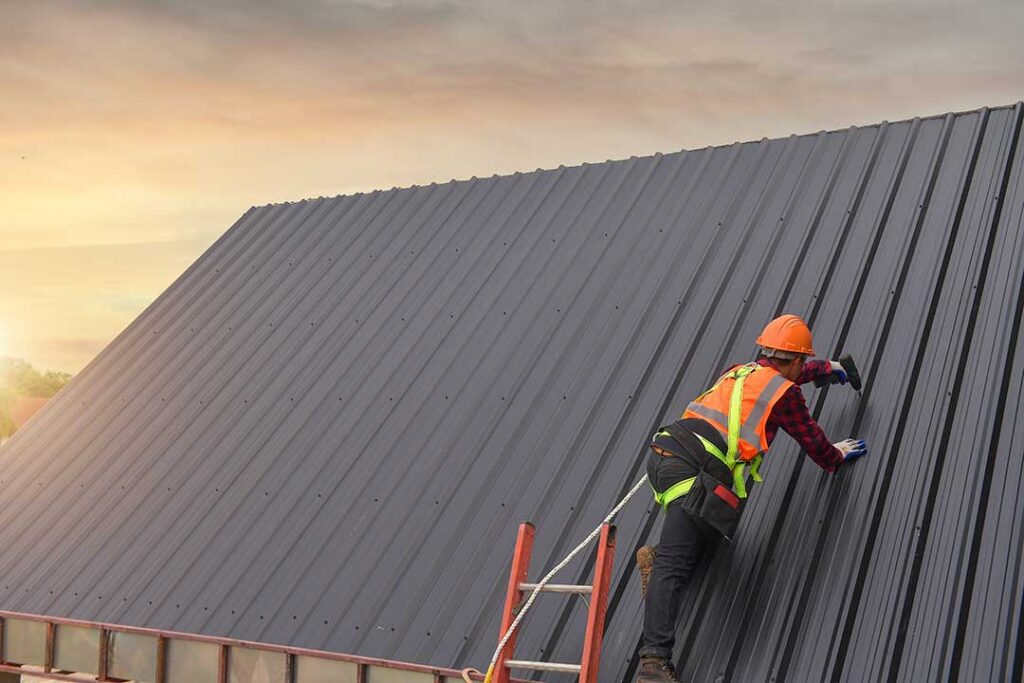
Hanging seasonal lights can improve a home’s appearance, but the work also involves ladders, electricity, roof surfaces, gutters, and changing winter weather. In Greene, NY, cold temperatures, wind, snow, and ice can turn a simple decorating project into a fall or roof-damage risk if the installation is rushed.
The safest approach is to keep both feet on stable ground whenever possible, use products designed for outdoor electrical use, and avoid attaching anything in a way that damages roofing materials.
Is it safe to hang lights directly on a roof?
Lights should not be fastened directly to shingles, flashing, membranes, or roof decking. Nails, staples, screws, and other penetrating fasteners can create openings where water may enter and can weaken roofing materials.
Instead, use removable clips made for outdoor light installation. The clips should attach to approved locations such as:
- The edge of a gutter
- The lower lip of certain roof trim
- Existing fascia edges, if the clip is designed for that surface
- Railings, porch trim, or other non-roof structures
Avoid forcing clips beneath shingles. Lifting or bending shingles can disturb their sealed edges, especially in cold weather when roofing materials may be less flexible.
What should be checked before starting?
Inspect the planned work area from the ground before setting up a ladder. Look for damaged shingles, loose gutters, sagging fascia, exposed wiring, tree branches, overhead utility lines, and areas where snow or ice may slide from the roof.
Do not install lights over a roof section that is wet, icy, snow-covered, visibly damaged, or unusually steep. A ladder should never be used as a way to reach a roof surface that cannot be safely accessed.
Also check the light strings before installation. Do not use strands with:
- Cracked insulation
- Loose or missing bulbs
- Bent or corroded plugs
- Exposed wires
- Melted sockets
- Damaged connectors
Outdoor lights should be specifically labeled for outdoor use. Indoor-only lights are not designed to withstand moisture, temperature changes, or outdoor exposure.
How can a ladder be used safely?
Most decorating injuries happen because a ladder is placed on an unstable surface or used beyond its intended reach. Set the ladder on firm, level ground away from ice, mud, wet leaves, and sloped landscaping.
Keep these practices in mind:
- Follow the ladder’s setup instructions and weight rating.
- Maintain three points of contact while climbing.
- Keep the belt buckle between the ladder rails rather than leaning sideways.
- Move the ladder instead of stretching to reach a distant section.
- Keep ladders away from overhead electrical lines.
- Do not place a ladder on top of snow, boxes, buckets, or other objects to gain height.
- Have another adult stabilize the ladder when conditions are uneven or the work area is exposed.
- Stop if wind makes the ladder or light strings difficult to control.
For higher rooflines, a ground-based extension pole with a compatible light clip may reduce climbing. It still requires careful handling, especially near overhead wires and tree branches.
Should lights be attached to gutters?
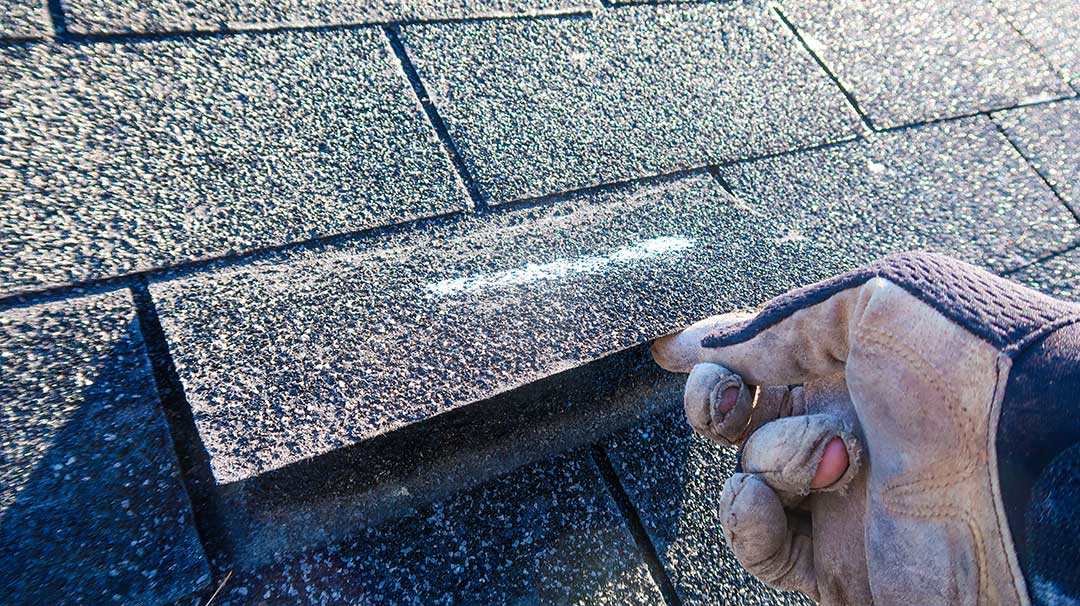
Gutter clips are commonly used because they avoid penetrating the roof. However, gutters are not designed to support heavy loads or repeated pulling. Use lightweight decorations and distribute the weight rather than placing multiple strands on one small section.
Do not hang lights from gutters that are loose, rusted, bent, or pulling away from the fascia. Extra weight can worsen an existing problem. Avoid blocking downspouts, gutter outlets, or areas where water drains from the roof.
In winter, lights and clips can become buried under snow or coated with ice. That added weight may pull on the gutter or fascia. After a significant snow or ice event, inspect the installation from the ground and remove any hanging strands that appear strained.
How should lights be connected safely?
Outdoor electrical decorations should be connected to a ground-fault circuit interrupter, commonly called a GFCI. This type of protection is intended to reduce the risk of severe shock when electricity is used near moisture.
Use outdoor-rated extension cords only when an extension cord is necessary. Keep connections elevated off the ground and away from puddles, snowbanks, melting ice, and areas where water runs from the roof.
Do not overload outlets or connect more strands than the manufacturer allows. If the instructions provide a maximum number of connectable strands, follow that limit. Avoid running cords through windows or doors where they can be pinched, damaged, or exposed to moisture.
Turn off and unplug the lights before changing bulbs, adjusting clips, moving cords, or removing decorations. A timer can limit operating hours, but it does not replace safe installation or regular inspection.
Can lights be installed around chimneys, vents, and skylights?
Extra care is needed around roof penetrations. Chimneys, plumbing vents, exhaust outlets, skylights, and roof hatches can have flashing that must remain undisturbed. Do not attach clips to flashing, sealant, vent caps, or chimney masonry unless the attachment method is specifically designed for that surface.
Keep decorations away from exhaust outlets and combustion vents. Lights, cords, and plastic decorations should not obstruct airflow or come into contact with hot vent components.
Never drape lights inside or directly across a chimney opening. Heat, sparks, and residue can damage wiring or create a fire hazard.
What should Greene, NY residents consider in winter?
Cold-weather installation presents additional risks. Snow and ice can conceal roof edges, gutters, ladder footing, and damaged materials. A roof that appears clear from the ground may still have frost or a thin layer of ice.
Plan installations during dry, calm weather while surfaces are visible. If temperatures are near freezing, allow extra time for shaded areas to thaw. Do not climb after a storm until snow and ice have been safely cleared from the access area and the roof condition can be evaluated.
Wind is another concern. Long light strings can act like small sails, pulling on clips and fascia. If a strand is flapping, sagging, or repeatedly striking the siding, it should be taken down or secured from a safe position.
How should lights be removed?
Remove lights before they become trapped under snow or ice. Unplug the system first, then work from the ladder or ground-based tool without pulling on the cord. Pulling by the wire can damage the insulation and connections.
Do not yank clips from beneath shingles or pry them against the roof surface. Store light strings loosely rather than wrapping them tightly around a sharp object, which can crease or cut the insulation.
After removal, check the roofline and gutters for loose clips, displaced trim, damaged wiring, or new sagging. Any roof material that appears lifted, punctured, or broken should be addressed before the next major rain or snow event.
When should roof decorating be avoided?
Roof-light installation should be postponed when there is ice, active snowfall, strong wind, poor visibility, storm damage, or an unstable ladder surface. It should also be avoided when the work requires walking on a steep roof, crossing fragile roofing materials, reaching over the roof edge, or working near energized utility lines.
A decoration project is not worth a fall, electrical injury, or hidden roof leak. Keeping the installation at the roof edge, using non-penetrating clips, and choosing a calm, dry day can prevent many of the most common problems.
