
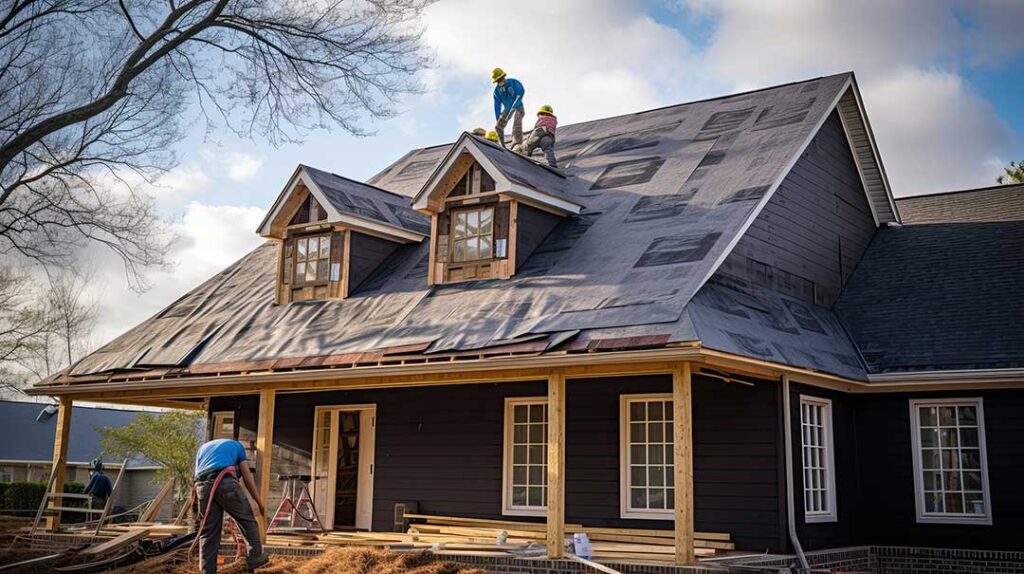
Roof coatings can protect an aging roof, reduce summer heat absorption, and delay a more disruptive replacement. They are not a universal solution, however. A coating works best when the existing roof is fundamentally sound, properly prepared, and compatible with the coating material.
For households in Greene, NY, the decision deserves extra care because roofs must handle hot sun, freezing temperatures, snow, ice, spring moisture, and repeated freeze-thaw cycles. A coating may be useful in certain situations, but it cannot correct serious structural or drainage problems.
What is a roof coating?
A roof coating is a liquid-applied layer spread or sprayed over an existing roofing surface. Once cured, it forms a protective membrane or surface film.
Common coating types include:
- Acrylic coatings, which are often water-based and reflective
- Silicone coatings, which perform well in areas exposed to standing water
- Polyurethane coatings, which can provide strong resistance to impact and foot traffic
- Rubberized or elastomeric coatings, designed to stretch and move with some roof materials
- Asphalt-based coatings, used with certain asphaltic roofing systems
The correct material depends on the existing roof. A coating designed for a low-slope membrane may not be suitable for asphalt shingles, wood roofing, or a roof with exposed deterioration.
What are the main advantages?
The primary benefit is that a coating can extend the useful life of an existing roof that still has a stable base. It adds a protective layer over the roofing surface rather than requiring immediate removal and replacement.
Lower heat absorption
Light-colored or reflective coatings can reduce the amount of solar heat absorbed by a roof. This may help keep upper-floor rooms and attic spaces cooler during sunny summer weather. The effect is generally more noticeable on low-slope roofs, large roof surfaces, and buildings with limited insulation.
Energy savings should be viewed realistically. A coating does not replace adequate attic insulation, air sealing, ventilation, or efficient mechanical systems. In a home that already has excellent insulation and modest cooling demand, the financial savings may be limited.
Added protection from weathering
A properly applied coating can help shield the underlying roof from ultraviolet exposure, moisture, and repeated temperature changes. This may slow surface aging and reduce the rate at which certain roofing materials become brittle or cracked.
That protection can be useful in a climate where the roof moves through many seasonal conditions. Summer expansion followed by winter contraction places stress on roofing materials, seams, flashing, and repairs.
Fewer seams in some systems
Liquid-applied coatings can create a continuous surface over portions of an existing roof. This may reduce the number of exposed joints compared with some sheet-based systems, although seams, penetrations, edges, and flashing still require separate attention.
Less material sent to disposal
If a sound roof can be renewed rather than removed, a coating may reduce the amount of old roofing material sent to a landfill. It can also reduce the disruption associated with a full tear-off.
Potentially easier maintenance
A coated roof may make certain small cracks, surface defects, or repaired areas easier to identify during inspections. Some coating systems can also be renewed with another application after the original layer has aged, provided the surface remains suitable.
What are the disadvantages?
The biggest limitation is simple: a coating is not a substitute for a failing roof deck, widespread leaks, severe rot, or extensive material breakdown.
It cannot repair major roof damage
A coating may cover a surface, but it does not rebuild damaged decking, correct sagging, replace failed insulation, or solve serious structural movement. It also cannot reliably stop leaks caused by deteriorated flashing, open seams, blocked drainage, or damaged penetrations unless those problems are repaired first.
Applying a coating over an unstable roof can make future repairs more difficult and may conceal conditions that need attention.
Preparation is critical
The roof must usually be cleaned, dried, repaired, and inspected before coating. Dirt, loose granules, old incompatible materials, biological growth, grease, and trapped moisture can interfere with adhesion.
Poor preparation may lead to blistering, peeling, cracking, or premature failure. In many cases, preparation takes more time and skill than the coating application itself.
Weather affects installation
Roof coatings often require specific temperature, humidity, and drying conditions. Rain or dew soon after application can damage a water-based coating. Cold temperatures can slow curing, while wind can create uneven coverage or overspray concerns.
This matters in Greene, NY, where installation opportunities may be limited during cool, damp, or rapidly changing weather. A coating applied too late in the season may not cure properly before colder conditions arrive.
Standing water remains a problem
Some coatings tolerate temporary moisture better than others, but a coating does not automatically correct poor drainage. Persistent ponding can shorten the life of the coating and the roof beneath it.
Drainage issues may involve blocked drains, inadequate slope, damaged gutters, settlement, or design limitations. Those conditions need to be addressed separately.
Appearance may change over time
Reflective coatings can collect dirt, pollen, leaves, and airborne particles. A white or light-colored coating may gradually become less reflective as it weathers. Dark staining can also occur where moisture remains or organic debris collects.
A coated roof may look refreshed at first but should not be judged only by its appearance. Adhesion, thickness, drainage, and surface condition matter more than color alone.
Snow and foot traffic can cause wear
Winter conditions introduce special concerns. Snow removal, ice movement, falling branches, and repeated foot traffic can damage some coating systems. Walking on a roof should be minimized, especially when the surface is wet, icy, or soft.
A coating also does not prevent ice dams. Ice dams are usually related to heat loss, attic ventilation, roof geometry, snow cover, and weather conditions.
Which roofs are usually better candidates?
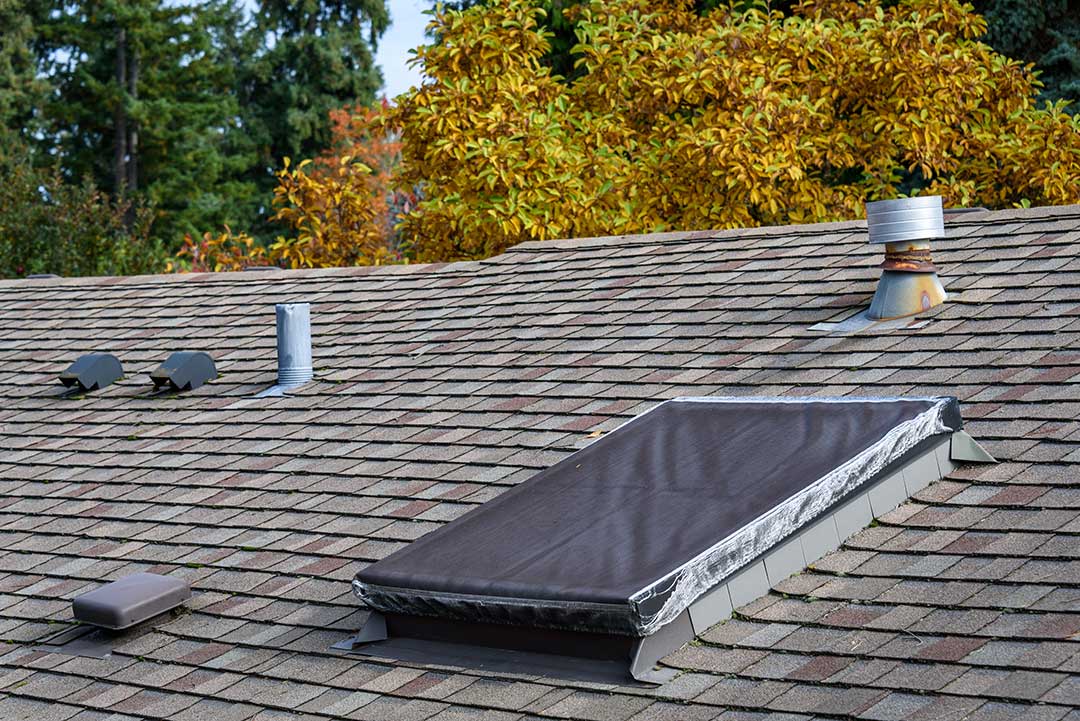
Roof coatings are generally more appropriate for roofs that:
- Have a stable deck and no major structural movement
- Show limited surface aging rather than widespread failure
- Have manageable leaks that can be repaired before coating
- Drain adequately
- Use a roofing material compatible with the selected coating
- Can be thoroughly cleaned and dried
- Have enough remaining service life to justify the work
Low-slope roofs are common candidates because they often use membranes or built-up roofing systems that accept liquid-applied products. Some metal roofs and other roof types may also be suitable, but compatibility must be confirmed.
A steep-slope asphalt shingle roof is not automatically a good candidate. Coating shingles may affect granule retention, moisture movement, appearance, and manufacturer requirements. Painting over shingles is not the same as installing a purpose-designed roof restoration system.
When is replacement usually more appropriate?
Replacement is more likely to make sense when the roof has widespread leaks, soft decking, extensive rot, severe blistering, repeated patch failures, major membrane separation, or materials that have reached the end of their useful life.
A roof with poor ventilation or persistent moisture problems may also need broader corrections. Coating over those conditions can postpone the visible symptoms without resolving the cause.
The remaining life of the roof is another practical consideration. If the underlying system is near complete failure, a coating may provide only a short extension and may complicate later removal.
What should residents check before choosing a coating?
Ask these questions before treating the project as a simple paint application:
- What roofing material is already installed?
- Is the roof deck sound?
- Where are the leaks actually coming from?
- Does water remain on the roof after rain?
- Is the coating compatible with old repairs and existing membranes?
- What surface preparation is required?
- How many coats and what total thickness are specified?
- What weather conditions are needed for curing?
- How will flashing, vents, edges, and penetrations be handled?
- Will the coating affect an existing roof warranty?
- How will the surface be inspected and maintained afterward?
For local homes, the most useful evaluation is not whether a coating is popular, but whether the existing roof can support one. A sound roof with manageable aging may benefit from added protection. A roof with structural damage, poor drainage, or widespread deterioration generally needs a more comprehensive solution than a surface coating.
