
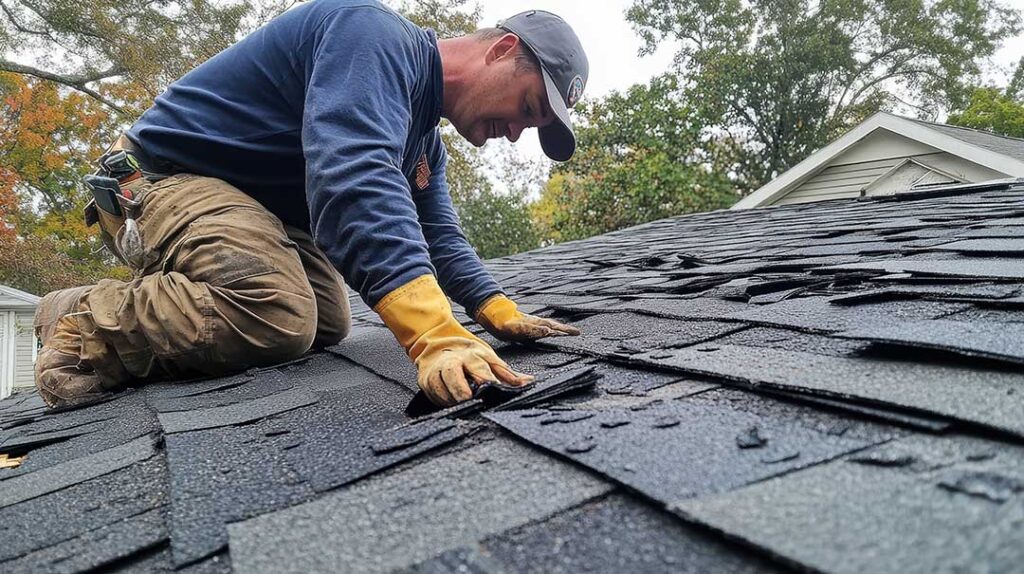
How can mold or mildew be identified on a roof?
Mold and mildew on a roof usually appear as dark stains, greenish patches, fuzzy growth, or spreading discoloration on shingles and nearby roof surfaces. In Greene, NY, damp weather, snow, shade, and fallen leaves can keep roofing materials wet long enough for organic growth to develop.
The first step is to observe the roof from the ground or from a safe window—not to walk on the shingles. Look for changes in color, texture, and pattern, especially on slopes that receive limited sunlight.
Common signs include:
- Black, gray, green, or brown streaks running down shingles
- Soft-looking or fuzzy patches
- Green growth along roof edges, in valleys, or near gutters
- Dark areas that become more noticeable after rain
- Moss-like material growing between shingles
- Discolored areas beneath overhanging branches
- Damp or musty odors in the attic
Not every dark mark is mold. Some stains are caused by algae, accumulated dirt, rust from metal components, or normal aging. A closer inspection may be needed to tell the difference.
What is the difference between mold, mildew, algae, and moss?
Mold, mildew, algae, and moss are related concerns but do not look or behave exactly the same.
Mildew is generally a surface-level fungal growth. It may look powdery, gray, white, or lightly discolored and often develops where moisture remains on the surface.
Mold can appear in darker shades and may have a fuzzy or irregular texture. On roofing materials, visible mold often indicates repeated dampness, although the roof itself is not always the source of an indoor mold problem.
Algae commonly produces blue-green, gray, or black streaks on asphalt shingles. The streaks may follow the direction of rainwater moving down the roof. Algae can be mistaken for mold because both cause dark discoloration.
Moss is thicker and more plant-like. It may form raised green cushions or mats, especially in shaded areas. Moss can lift or separate shingles as it grows underneath them, making it more than a cosmetic concern.
A roof may have more than one type of growth at the same time. For example, algae staining may cover a roof surface while moss develops along a shaded northern slope or beneath tree cover.
Where does roof growth usually appear?
Roof mold and mildew are most likely to appear where moisture collects or evaporation is slow. Typical locations include roof valleys, areas below tree branches, shaded slopes, and sections near clogged or overflowing gutters.
The lower portions of a roof may show more staining because rainwater travels over them repeatedly. Roof edges can also remain damp if gutters hold leaves or if downspouts do not carry water away effectively.
In the local climate, freezing temperatures add another factor. Water absorbed by roofing materials can freeze, expand, and thaw repeatedly. This cycle does not create mold by itself, but it can worsen surface damage and create small openings where moisture remains longer.
Inspect areas near:
- Chimneys, plumbing vents, and other roof penetrations
- Dormers and roof-to-wall transitions
- Gutters and downspout outlets
- Branches that touch or overhang the roof
- Low-slope sections where water drains slowly
- Attic areas below visible exterior staining
Can roof mold cause indoor mold?
Roof growth does not automatically mean that mold is growing inside the home. Exterior algae, mildew, or moss may stay limited to the roofing surface. Indoor mold becomes more likely when water is entering through damaged shingles, failed flashing, blocked drainage, or inadequate attic ventilation.
Signs of a possible moisture problem inside include:
- Brown or yellow ceiling stains
- Peeling paint near upper walls or ceilings
- Damp insulation
- Musty attic odors
- Condensation on roof sheathing
- Dark spotting on rafters or the underside of the roof deck
- Repeated leaks after rain or snowmelt
Attic condensation can also be mistaken for a roof leak. Warm, moist indoor air may rise into a poorly ventilated attic and collect on cold roof surfaces during winter. That moisture can support mold growth even when the exterior shingles appear intact.
How can someone inspect a roof safely?
A ground-level inspection is usually the safest starting point. Binoculars can help reveal streaks, lifted shingles, moss, or debris without requiring anyone to climb.
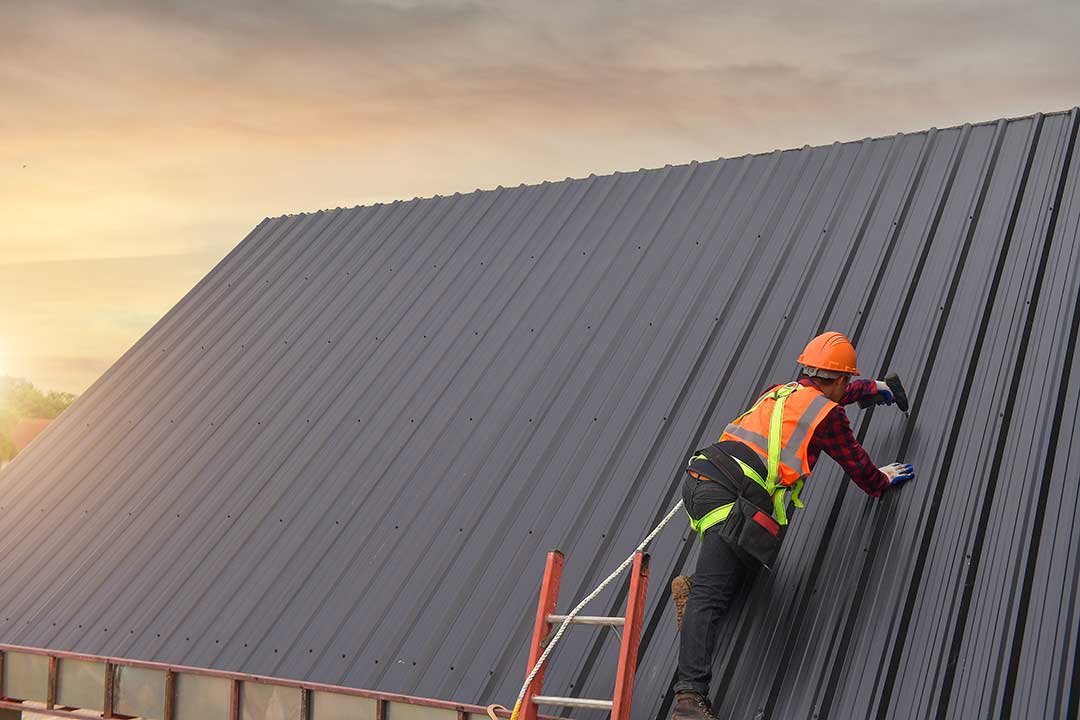
Avoid walking on a roof that is wet, icy, steep, moss-covered, or visibly damaged. Shingles can become slippery, and stepping on them may cause additional damage. Ladders also create fall risks, particularly on uneven ground or during wet weather.
From the ground, check whether growth is:
- Limited to one shaded section
- Spread across several roof slopes
- Concentrated near gutters or valleys
- Accompanied by missing, curled, cracked, or lifted shingles
- Associated with sagging areas or visible water damage
If the roof is difficult to see, photographs taken from a safe location can help track whether discoloration is spreading over time.
Should mold or mildew be scrubbed off?
Aggressive scrubbing is usually a poor choice for shingles. Brushing can remove protective surface granules, loosen roofing materials, and spread contaminated water or debris across other areas.
Pressure washing is especially risky because the force can damage shingles, drive water beneath roofing layers, and shorten the roof’s service life. Household bleach or other strong chemicals can also harm plants, metal components, siding, and surrounding surfaces if runoff is not controlled.
The appropriate cleaning method depends on the roofing material, the type of growth, the roof’s condition, and the source of the moisture. A surface may look cleaner temporarily while the underlying drainage, shade, or ventilation problem remains.
When does roof growth signal a larger problem?
Growth deserves closer attention when it is accompanied by physical damage or repeated moisture. Moss lifting shingles, water entering the attic, sagging roof areas, and persistent ceiling stains are more serious than isolated discoloration.
Prompt evaluation is especially appropriate when:
- A leak appears during rain, thawing, or snowmelt
- Shingles are missing, cracked, curled, or visibly loose
- Moss is growing beneath shingle edges
- The attic contains wet insulation or widespread spotting
- A roof section remains damp long after surrounding areas dry
- Gutters overflow even after leaves and debris are removed
- The roof has visible structural sagging
A qualified roofing or building professional may be needed when the roof is steep, damaged, difficult to access, or connected to an indoor moisture concern. Mold inside an attic or living area may also require separate assessment because cleaning the visible growth without correcting the water source will not solve the problem.
How can roof mold and mildew be reduced?
Keeping roof surfaces dry and allowing water to drain properly can reduce the conditions that support growth. Trim branches that touch the roof, keep gutters and downspouts clear, and watch for areas where water repeatedly collects.
Attic ventilation and insulation also matter. Proper airflow helps reduce condensation during cold weather, while adequate insulation keeps roof surfaces and attic components at more consistent temperatures.
Routine observations after heavy rain, strong winds, winter storms, and spring thaw can reveal developing problems early. A small patch of surface growth may be manageable, but spreading discoloration combined with damaged roofing or attic moisture should not be ignored.
For households in Greene, seasonal changes make repeated observation more useful than a single inspection. A roof that appears dry in summer may show condensation, drainage, or snowmelt-related problems during colder months.
