
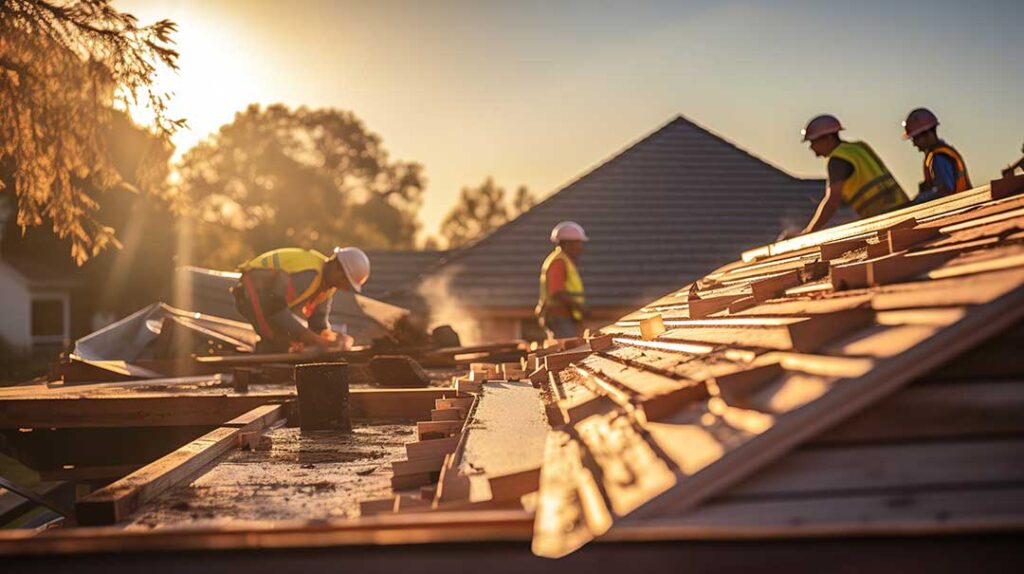
Roof cleaning can improve drainage, reduce moisture buildup, and help reveal damaged shingles, but it also creates serious fall and property risks. For households in Greene, NY, the safest approach is usually to clean from the ground or from a securely positioned ladder whenever possible, rather than walking across the roof.
Roofs may be slippery from rain, dew, algae, moss, or frost. Even a roof that looks gently sloped can become dangerous once it is wet. Cleaning also involves hoses, chemical solutions, loose granules, and falling debris, all of which require planning.
Is it safe to walk on a roof to clean it?
For most homeowners, walking on the roof is not the safest option. Asphalt shingles can be damaged by foot traffic, and moss or algae can make the surface unexpectedly slick. Older roofs may also have weakened decking beneath the shingles.
Avoid roof access if the roof is:
- Wet, icy, frosted, or damp with morning dew
- Steep, unusually high, or difficult to reach
- Covered with moss, leaves, or loose debris
- Showing signs of sagging, soft spots, missing shingles, or exposed wood
- Near overhead electrical lines
- Close to an unprotected edge, skylight, chimney, or fragile roof section
A ladder should not be treated as a substitute for fall protection. It must stand on firm, level ground, extend above the landing area, and be secured so it cannot shift. Keep both hands available while climbing, and do not carry buckets or equipment up the ladder.
If cleaning requires stepping onto the roof, fall-protection equipment and proper anchorage are necessary. Improvised tie-off points, chimney straps, and loosely placed ropes are not reliable safety systems.
What is the safest way to remove leaves and loose debris?
Start from the ground. A soft roof rake, leaf blower used from a safe position, or telescoping brush can remove light debris without requiring roof access.
Work downward and away from roof edges whenever possible. Do not push piles of leaves toward gutters where they may compact and block water flow. Instead, clear the roof surface gradually and place debris where it cannot damage landscaping, siding, windows, vehicles, or outdoor equipment.
Use care around gutters. Standing on the roof edge or leaning too far from a ladder can cause a fall. If gutters are being cleaned at the same time, remove debris by hand while wearing gloves, or use a gutter-cleaning attachment from the ground.
After cleaning, check downspouts for blockages. In Greene, NY, seasonal leaf fall followed by freezing weather can leave water trapped in gutters and downspouts. That trapped water may freeze, expand, and contribute to overflow or ice buildup near roof edges.
How should moss and algae be cleaned from shingles?
Moss should not be pulled aggressively from the roof. Its roots can grip the shingle surface, and pulling may remove protective granules or loosen the shingles themselves.
For small areas that can be reached safely, use a soft-bristled brush or a long-handled tool from a stable position. Avoid wire brushes, pressure washers, scrapers, and stiff brooms. These tools can remove granules, cut roofing materials, or force water beneath the shingles.
Algae often appears as dark streaks or stains. It may be unattractive without immediately causing structural damage, while moss is more likely to hold moisture against the roof. The two should not be treated exactly the same way.
A roof-cleaning solution should be compatible with the roofing material and applied according to its label. Test a small, inconspicuous area first. Do not mix cleaning products. In particular, bleach should never be mixed with ammonia, acids, or other household chemicals because dangerous gases can form.
Apply solutions carefully so runoff does not damage plants, painted surfaces, metal fixtures, pets, or nearby water features. Wetting vegetation beforehand and rinsing it afterward may reduce damage, but some cleaners can still harm sensitive plants.
Can a pressure washer be used on a roof?
Pressure washing is generally a poor choice for asphalt shingles and many other roofing materials. High-pressure water can strip away protective granules, lift shingle edges, damage flashing, and force water under the roofing system.
It can also spread moss fragments and contaminated runoff across siding, windows, decks, and garden areas. A roof may appear cleaner immediately while becoming more vulnerable to weather afterward.
Low-pressure application with a suitable cleaner is less aggressive, but it still requires caution. The safest method depends on the roof material, age, slope, and condition. Clay, slate, metal, wood, and composite roofing each have different cleaning limits.
What should be done before applying any cleaner?
Inspect the area from the ground first. Look for:
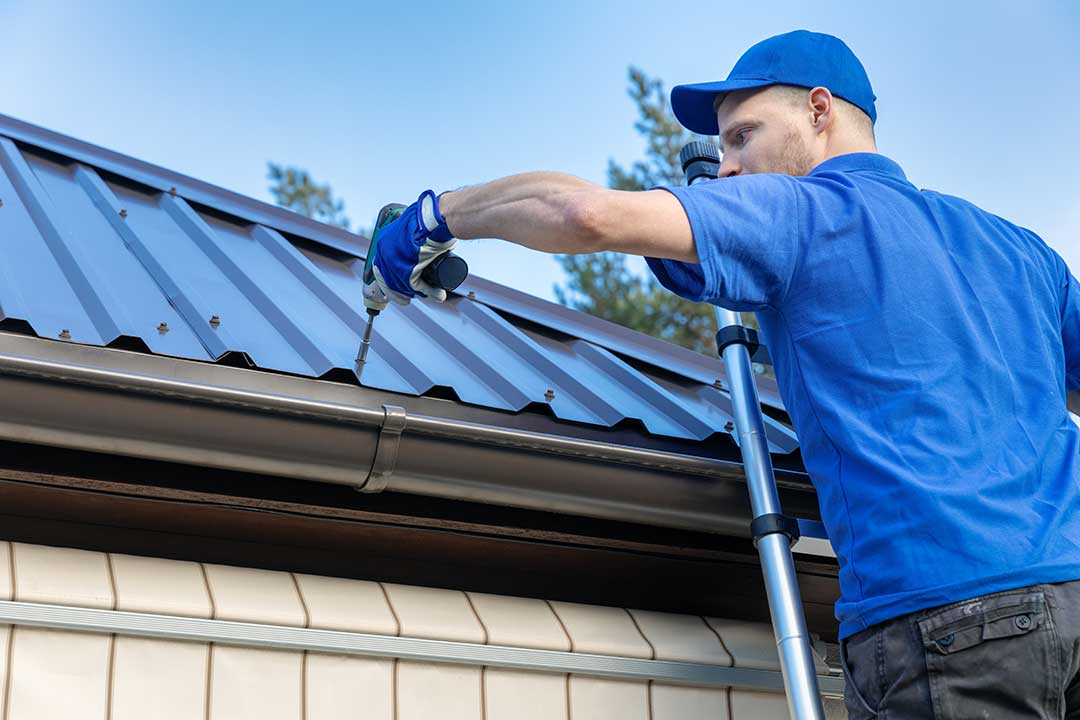
- Missing, cracked, curled, or lifted shingles
- Loose flashing around chimneys, vents, and roof edges
- Sagging areas
- Exposed underlayment or wood
- Clogged or detached gutters
- Moss growing beneath shingle edges
- Heavy staining near valleys or roof penetrations
Do not apply a liquid cleaner to a roof with obvious openings or major damage. Water and chemicals may enter the attic or wall system.
Protect nearby property before cleaning. Move outdoor furniture and toys, cover delicate plants when appropriate, close windows, and keep children and pets away from the runoff area. Wear eye protection and gloves, and avoid working in windy conditions.
Choose a cool, calm day when rain is not expected immediately. Strong sunlight can cause cleaning solutions to dry too quickly, while rain can spread runoff unpredictably.
How often should a roof be cleaned?
A roof does not need routine scrubbing on a fixed schedule. Cleaning is usually appropriate when debris is blocking drainage, moss is retaining moisture, algae is spreading, or branches are rubbing against the roofing.
A visual inspection in spring and fall is practical for local households. Spring checks can reveal damage from snow, ice, and freeze-thaw cycles. Fall checks can identify leaves, branches, and gutter problems before winter weather arrives.
Tree limbs should be trimmed carefully so they do not scrape shingles or drop heavy debris. However, cutting branches near utility lines creates a separate hazard and should not be attempted casually.
When is roof cleaning no longer a do-it-yourself task?
Roof cleaning should stop when the work requires walking on a steep or fragile surface, using unfamiliar fall-protection equipment, handling strong chemicals, or working near electrical lines.
It is also unsafe to continue if shingles begin shedding large amounts of granules, the roof feels soft, or water appears inside the attic or upper walls. Those signs suggest that the issue may be more than surface dirt.
For many homes, the safest maintenance plan is limited to ground-level inspection, careful gutter clearing, removal of nearby branches, and prompt attention to visible drainage problems. Cleaning should never create a greater risk than the moss, algae, or debris it is meant to remove.
