
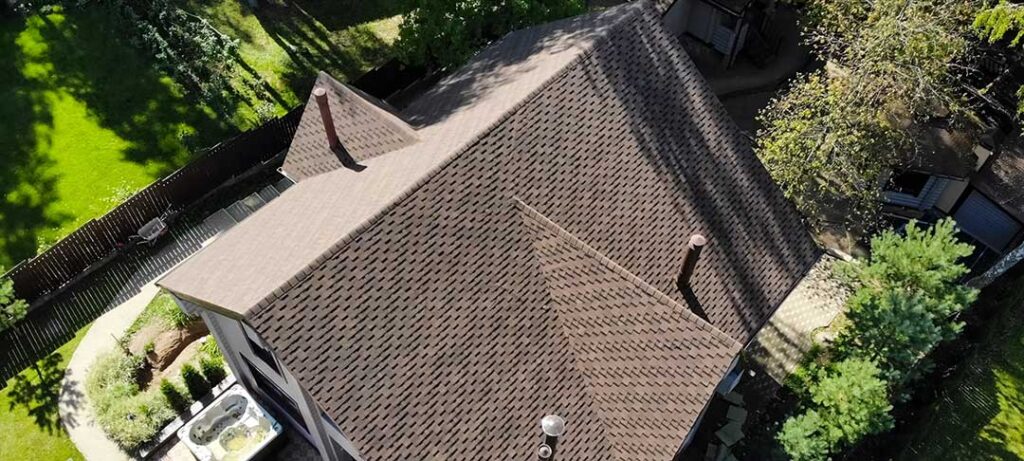
A roof tear-off is the complete removal of existing roofing materials before a new roof system is installed. For homeowners in Greene, NY, the process usually involves removing shingles, underlayment, flashing, and sometimes damaged roof decking so the underlying structure can be inspected and prepared properly.
A tear-off is more involved than placing new shingles over an existing layer. It creates noise, temporary exposure to weather, falling debris, and the possibility of additional repairs once the old roof is removed. Understanding the sequence helps households plan for the work and recognize what is normal.
What happens before the tear-off begins?
The work generally starts with preparation around the house. Roofing materials, tools, and debris containers are positioned so workers can move safely and keep discarded material from spreading across the property.
Typical preparation may include:
- Covering plants, porches, windows, siding, and other vulnerable areas
- Protecting entryways and outdoor equipment
- Moving vehicles away from the work zone
- Removing or loosening items attached to the roof, such as antennas or satellite equipment
- Establishing a safe path for carrying materials
- Confirming where old roofing materials will be placed and removed
Residents should also secure fragile objects inside the home. Hammering and walking on the roof can cause noticeable vibration, particularly in upper rooms or homes with older framing.
Children and pets should remain away from the work area. Roofing debris can include sharp nails, broken shingle pieces, wood fragments, and metal flashing. Even after the main cleanup, small nails may remain in grass, gravel, or garden beds.
How is the old roof removed?
The tear-off usually begins at roof edges and progresses upward in sections. Shingles and underlayment are loosened with roofing tools, then carried or directed to a debris container. Flashing around chimneys, walls, skylights, and roof penetrations may also be removed if it is worn, damaged, or no longer suitable for the new roof system.
The amount of debris can be surprising. A roof that looks relatively thin may produce a large volume of discarded material once several layers, underlayment, damaged wood, and old flashing are removed.
Work is often performed in stages rather than exposing the entire roof at once. This approach helps limit the area vulnerable to rain and allows the roof to be covered temporarily if weather changes.
During the active tear-off, the property may be noisy for several hours. Roofing activity can include repeated hammering, scraping, walking, and the movement of heavy materials. Many households choose to plan errands, remote work, naps, or other quiet activities away from the house during the loudest portion.
What does the roof look like after removal?
After the old covering is removed, the roof deck becomes visible. The deck is the structural surface attached to the rafters or trusses beneath the roofing materials. It may be made from plywood, oriented strand board, boards, or another approved material depending on the age and construction of the home.
The exposed deck is inspected for conditions such as:
- Soft or spongy areas
- Water staining
- Rot near eaves, valleys, chimneys, or wall intersections
- Split or loose boards
- Nail damage
- Gaps or uneven surfaces
- Areas weakened by long-term leaks
Some damage is hidden until the roof covering is removed. This is one of the main reasons a final repair quantity cannot always be known from a visual inspection performed from the ground.
Not every stain means the roof deck must be replaced. The relevant questions are whether the material remains structurally sound, whether it can hold roofing fasteners securely, and whether it provides an even surface for the new roof system.
Why might additional repairs be needed?
A tear-off can reveal problems that were not visible from inside the attic or from the exterior. Long-term moisture may affect roof decking, fascia boards, framing near penetrations, or areas around poorly functioning flashing.
Additional work may also be needed if the roof has:
- More than one existing shingle layer
- Previous patching or uneven repairs
- Sagging areas
- Inadequate drainage
- Damaged ventilation components
- Deteriorated flashing
- Ice-related damage near the eaves
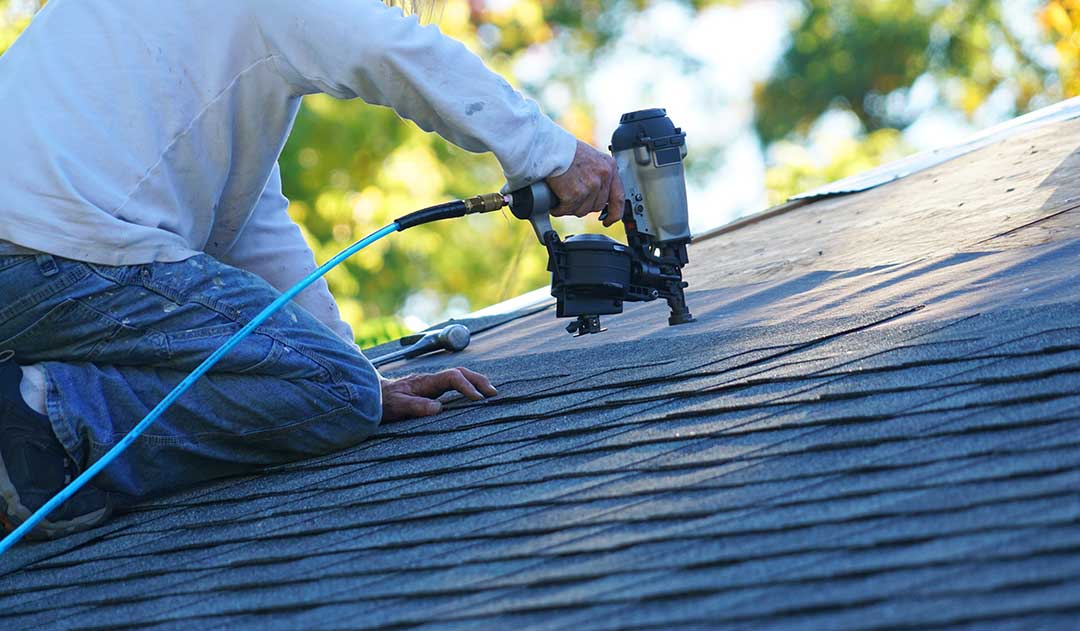
Cold winters, snow, freezing rain, and repeated freeze-thaw cycles can be especially hard on roof edges and flashing. In Greene, seasonal weather can also make timing important. A roof should not be left uncovered unnecessarily, and work may be paused during steady rain, strong winds, or unsafe icy conditions.
How is the roof protected from weather during the process?
A roof tear-off should be organized so that exposed areas are covered or completed before changing weather creates a risk. Temporary coverings may be used when necessary, but they are not a substitute for completing the weatherproof roof layers.
Homeowners may notice temporary tarps, protective membranes, or partially completed sections during the work. These conditions can be normal for a short period, especially when the roof is large or has several complicated sections.
However, residents should ask for a clear explanation if a roof will remain partially exposed overnight or through a forecasted period of rain. Water can enter through small openings around valleys, chimneys, skylights, vents, and roof-to-wall intersections.
How long does a roof tear-off take?
A straightforward roof tear-off and replacement may be completed in a day or several days, but the schedule depends on roof size, pitch, number of layers, decking repairs, weather, access, and the complexity of features such as dormers or chimneys.
Work may take longer when:
- Multiple layers must be removed
- The roof has steep or difficult sections
- Damaged decking is extensive
- Materials must be carried a long distance
- Rain, wind, snow, or ice interrupts the work
- Debris disposal or delivery access is limited
A short delay does not necessarily mean something is wrong. Weather and hidden structural repairs are common causes of schedule changes in this region.
What should residents expect around the property?
Roofing debris can travel beyond the immediate work area. Nails may fall near the foundation, driveway, shrubs, or walkways. Protective coverings reduce the risk of damage, but they cannot prevent every small piece of debris from moving.
At the end of each work period, the area should be checked for loose materials and obvious hazards. Final cleanup commonly includes sweeping or magnetic collection of nails, removing protective coverings, and clearing larger debris. Because small metal fragments can be difficult to detect, residents should continue using caution around the work zone until cleanup is complete.
Gutters may also contain granules and small debris after a tear-off. Downspouts can become obstructed if material enters the drainage system, so the gutters and surrounding ground should be checked after the project.
Is it safe to stay inside during a tear-off?
Many residents remain inside, but the house will be noisy and may vibrate during removal and installation. People who work from home, have young children, or are sensitive to noise may prefer to spend the loudest hours elsewhere.
Roofing is hazardous work because of fall risks, sharp materials, tools, and unstable surfaces. Residents should never walk onto the roof to inspect progress. Questions about the roof condition can be answered more safely from the ground, attic, or through photographs provided during the project.
A completed tear-off should leave the roof deck sound, the weatherproof layers properly installed, and the surrounding property reasonably clean. The most useful part of the process is often the inspection between removal and replacement, when hidden problems can be addressed before they become concealed beneath a new roof.
