
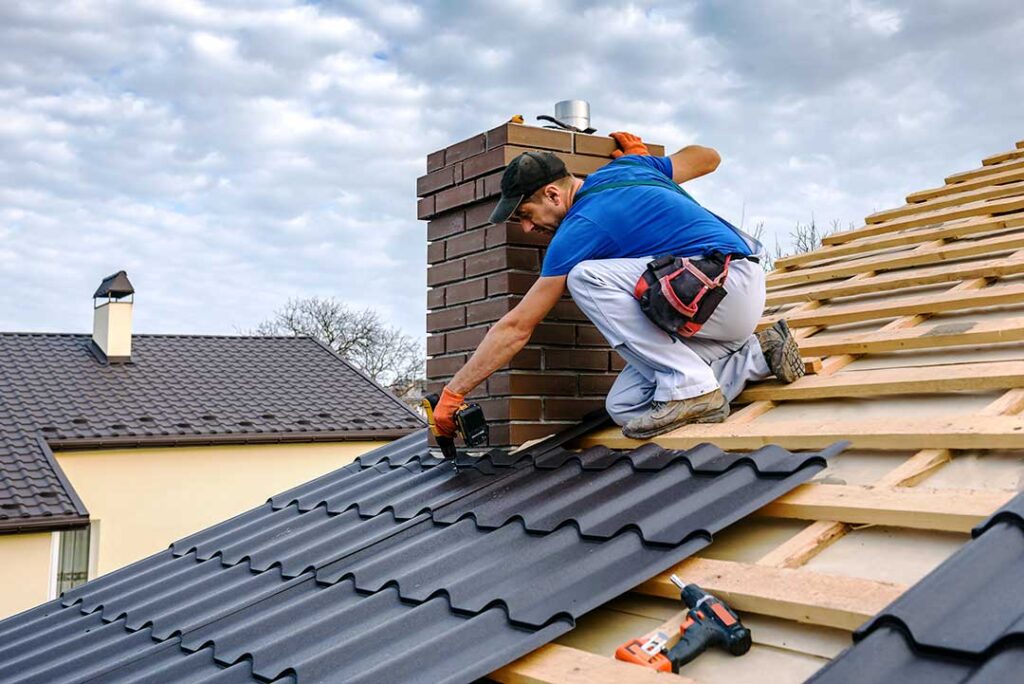
A roof problem rarely stays confined to the roof. In Greene, NY, a small leak, missing shingle, or blocked drainage path can become a much larger building problem after repeated rain, snow, ice, wind, and freeze-thaw cycles.
The financial impact of delaying repairs is not limited to the eventual roofing bill. Homeowners may also face damaged insulation, ceilings, framing, electrical components, flooring, personal belongings, and indoor air quality concerns.
How does a small roof problem become an expensive repair?
A minor roof defect becomes costly when water is allowed to move beyond the roof covering and into the roof assembly or living space. The visible symptom may be a ceiling stain, but the actual damage can extend several feet away from that spot.
Water may travel along rafters, roof decking, insulation, wiring, or wall cavities before becoming visible. By the time a stain appears indoors, the roof deck or surrounding materials may already have been wet through multiple storms.
Common examples include:
- A cracked or missing shingle allowing water into the underlayment
- Deteriorated flashing around a chimney, vent, or roof intersection
- A blocked gutter causing water to back up beneath the roof edge
- Exposed fasteners or failed sealant around a penetration
- Soft or rotting roof decking beneath an apparently intact surface
The earlier a defect is addressed, the fewer building materials are usually involved. Delaying action can change a localized repair into a roof-and-interior restoration project.
What damage can a leaking roof cause inside a house?
A persistent leak can damage ceilings, drywall, insulation, trim, flooring, and stored belongings. The longer moisture remains, the more likely it becomes that materials will need to be removed rather than simply dried.
Insulation can lose effectiveness when wet. Drywall may swell, crumble, or develop discoloration. Wood framing and roof sheathing can begin to decay if moisture repeatedly enters and the area cannot dry.
Moisture can also affect electrical components. Water near light fixtures, junction boxes, attic wiring, or other electrical equipment creates a safety concern. Turning off power to an affected area may be appropriate if water is actively entering near electrical devices, but homeowners should avoid entering wet areas where electrical hazards may exist.
A roof leak can also damage paint and flooring below the original entry point. This is one reason patching the interior stain without addressing the roof source often leads to recurring damage.
Can ignoring a roof leak create mold or indoor air problems?
Yes. Mold growth is more likely when building materials remain damp, especially in dark, poorly ventilated areas such as attics, wall cavities, and ceiling spaces.
Not every roof leak results in a serious mold problem, but repeated moisture creates favorable conditions. Porous materials such as drywall, wood, paper-faced insulation, and carpeting can hold moisture longer than smooth, nonabsorbent surfaces.
Warning signs include:
- Musty odors in an attic or upper room
- New discoloration after rain
- Peeling paint or bubbling drywall
- Damp insulation
- Warped wood or roof sheathing
- Visible spotting on rafters or ceiling materials
The cost of correcting moisture-related damage can increase when contaminated materials must be removed, the source of moisture must be stopped, and concealed areas must be evaluated.
Why are winter roof problems especially serious in Greene?
Cold-weather conditions can expose weaknesses that remain unnoticed during warmer months. Snow, ice, wind, and repeated freezing and thawing place stress on shingles, flashing, gutters, and roof edges.
Ice dams are a common winter concern. They form when heat escapes into the roof area, melts snow on warmer sections of the roof, and allows water to refreeze near colder eaves. The ice can obstruct drainage and force meltwater beneath roof coverings.
Ice dams are not caused by gutters alone. Roof insulation, air leakage, ventilation, roof slope, snow conditions, and outdoor temperature all affect the risk.
Heavy snow and ice can also add substantial weight to a roof. Accumulations may be uneven, particularly around roof valleys, dormers, additions, or areas where drifting occurs. Sagging roof lines, cracking sounds, doors that suddenly stick, or visible movement in ceilings should be treated as urgent warning signs. People should not climb onto a snow-covered or icy roof to inspect it.
Does a roof problem always mean the entire roof must be replaced?
No. Some problems are limited and can be corrected without replacing the full roof. A small area of wind damage, isolated flashing failure, or a single damaged penetration may be repairable.
However, a patch may not be a durable solution when the surrounding roofing materials are near the end of their service life, brittle, widely damaged, or installed over deteriorated decking. Repeated repairs can also become inefficient if multiple areas are failing for the same underlying reason.
A useful evaluation considers:
- The age and condition of the roof covering
- Whether damage is isolated or widespread
- The condition of the underlayment and decking
- The number of previous repairs
- Evidence of moisture in the attic or walls
- Whether ventilation or drainage problems are contributing
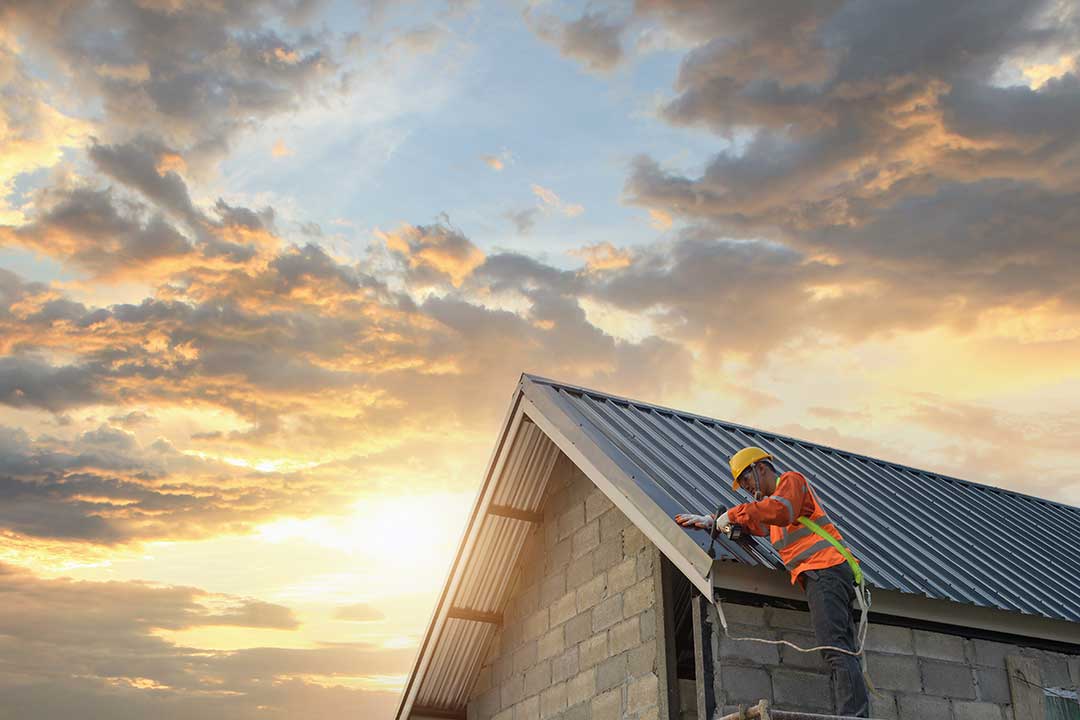
The least expensive immediate repair is not always the least expensive long-term choice. A repair that fails again can add labor, interior damage, and disruption to the original cost.
Can ignored roof damage affect insurance claims?
It can. Insurance coverage depends on the policy, the cause of damage, exclusions, and the condition of the property. Sudden storm damage may be treated differently from deterioration, repeated seepage, neglect, or a long-standing maintenance issue.
Homeowners should document roof concerns with dated photographs, notes about when the problem was first noticed, and records of temporary measures. Documentation does not guarantee coverage, but it can help establish the timeline and condition of the property.
Temporary protection should be used carefully. Covering a damaged area may limit additional water entry, but climbing onto a roof during wind, rain, snow, or ice can create serious fall hazards.
What warning signs should residents watch for?
Roof problems deserve attention when any of these signs appear:
- Water stains or discoloration on ceilings and upper walls
- Shingles that are missing, lifted, cracked, or heavily worn
- Granules collecting in gutters or downspouts
- Sagging roof edges or visible depressions
- Rusted, separated, or damaged flashing
- Daylight visible through the attic roof deck
- Damp insulation or musty attic odors
- Gutters pulling away from the roofline
- Water pooling near the foundation after rain
- Repeated leaks in the same location
A roof does not need to be visibly collapsing to require prompt evaluation. Small signs often indicate that water has already found a path into the building.
What should homeowners do after discovering a roof problem?
First, protect people and property. Move belongings away from active drips, place containers under leaks, and avoid walking on wet flooring or entering areas with possible electrical exposure.
Next, document the condition from a safe location. Photographs of interior stains, attic moisture, fallen roofing materials, and water accumulation can be useful for maintenance records and insurance discussions.
Roof replacement and roof recover work in Greene require permits under local enforcement of New York State building requirements. Permit rules help ensure that roofing work is reviewed under applicable construction standards, including provisions related to roof coverings, underlayment, and ice barriers.
The central financial lesson is straightforward: delaying a roof problem often transfers the cost from a limited exterior repair to a broader building repair. Prompt attention does not guarantee a low-cost solution, but it can reduce the chance that moisture, winter weather, and hidden deterioration will multiply the damage.
