
Rain tapping on a roof can be gentle and relaxing, but heavy rain may become loud enough to disturb sleep, conversations, or television. The sound is usually caused by raindrops striking a hard roof surface and vibrating the roof assembly below. In Greene, NY, where homes experience rain, snow, freezing rain, and seasonal temperature changes, several parts of the roof and attic can affect how much sound enters the living space.
The most effective solutions usually involve more than the exterior roof covering. Attic insulation, interior ceiling construction, roof decking, ventilation, and even gutters can all contribute to the noise level.
Why does rain sound louder on some roofs?
Metal roofing is often associated with loud rain, but the roof material is only one part of the equation. A metal roof installed over a solid, insulated roof assembly may be quieter than an older roof with loose decking and little insulation.
Rain noise becomes more noticeable when:
- The roof has a hard, thin surface with little sound absorption beneath it
- The attic contains limited insulation
- Roof decking is loose, damaged, or poorly fastened
- The ceiling below the attic has gaps around light fixtures, vents, or wiring
- Gutters or flashing are loose and vibrate during storms
- Rain falls onto a lower roof section, porch roof, awning, or enclosed addition
- The room directly below the roof has a vaulted or cathedral ceiling
A large open attic can also act as a sound chamber. The roof surface reflects sound into the attic, and the ceiling below may transmit part of that noise into bedrooms or living areas.
Can attic insulation reduce rain noise?
Yes. Adding or improving attic insulation is one of the most practical ways to reduce the sound of rain entering a home. Insulation helps absorb some airborne sound and limits the amount of vibration that passes from the roof deck into the rooms below.
Fiberglass batts, blown-in fiberglass, and cellulose can all contribute to sound reduction when installed correctly. The material should fill the intended spaces without blocking required ventilation channels at the eaves, soffits, or ridge.
Insulation works best when combined with an air-sealed ceiling. Small openings around plumbing pipes, electrical wiring, recessed lights, attic hatches, and ductwork can allow sound to pass through. Sealing those openings with appropriate materials can improve both sound control and energy performance.
In older homes, it is wise to check whether insulation has settled, become damp, or been disturbed by previous work. Wet insulation should not simply be covered because moisture can contribute to mold, wood deterioration, and reduced insulating performance.
What roof improvements help reduce noise?
The roof covering itself can influence sound, but replacing a roof only for noise reduction is rarely the first step. If a roof is otherwise serviceable, interior improvements may provide more benefit for less disruption.
During roof replacement, several construction details can help:
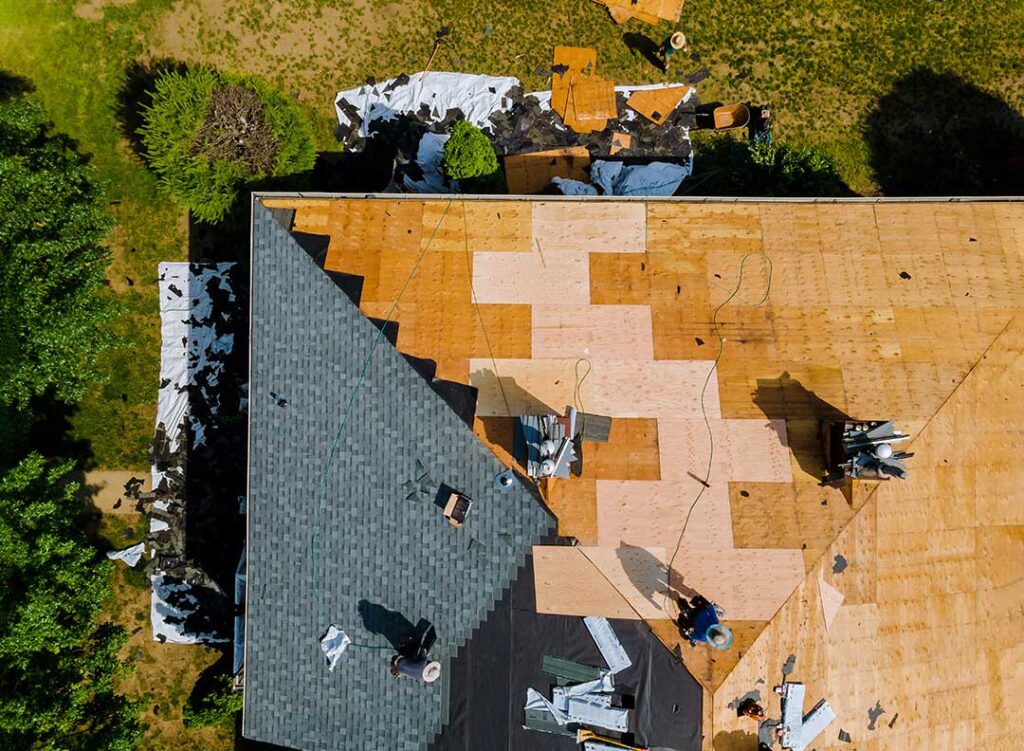
- Solid, properly fastened roof decking can reduce rattling and vibration
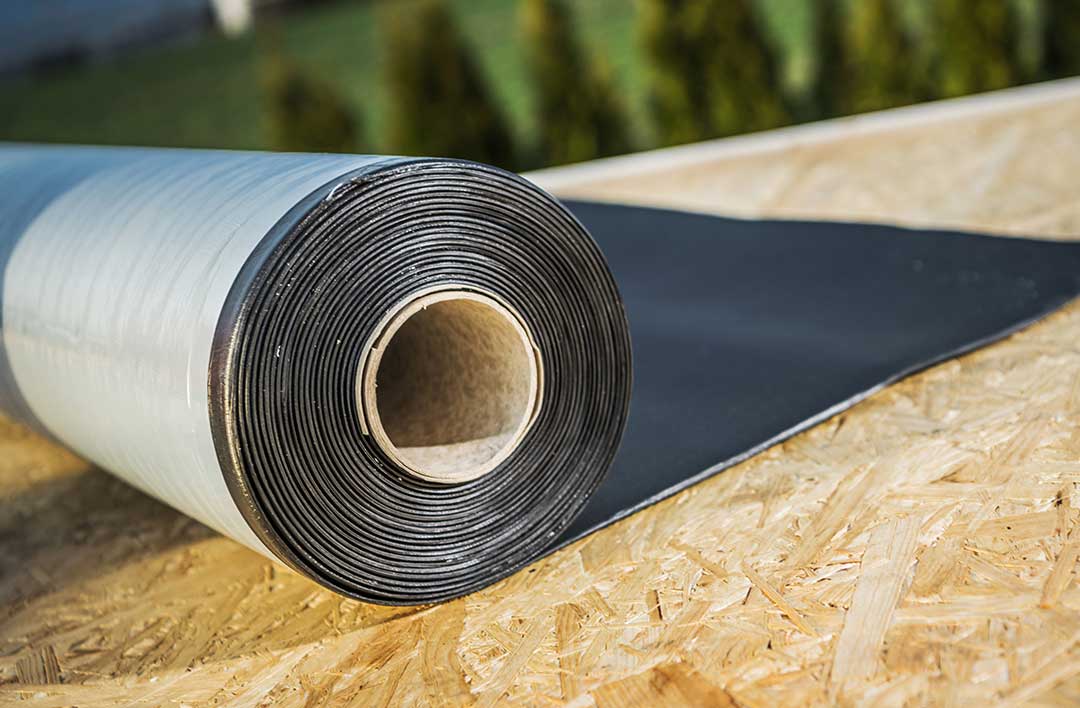
- Underlayment may provide a modest additional sound barrier
- A continuous roof assembly generally performs better than loose or poorly supported materials
- Proper fastening prevents panels, trim, and flashing from vibrating in wind and rain
- Insulated roof assemblies can reduce sound transfer more effectively than uninsulated assemblies
Roof replacement should not be treated as a guaranteed soundproofing solution. A new roof can still be noisy if the attic is empty, the ceiling has openings, or water strikes a lower roof section directly below a bedroom.
Does metal roofing always make rain louder?
No. Metal roofing can produce noticeable rain noise, particularly when installed over open framing or a poorly insulated attic. However, modern metal roof systems may include solid decking, underlayment, insulation, and carefully secured panels that reduce the sound considerably.
The loudest results often occur when metal panels are installed over an open structure with little mass beneath them. The panels can behave somewhat like a drum, especially during heavy rain or hail.
Homeowners considering metal roofing should ask how the complete roof assembly will be built rather than focusing only on the panel material. The decking, insulation, underlayment, fasteners, and ceiling construction all affect the final noise level.
Could gutters or downspouts be causing the problem?
Sometimes the apparent roof noise is actually coming from the drainage system. Water can strike loose gutter sections, unsecured downspouts, splash blocks, or lower roof edges and create a sharp, repetitive sound.
Check for:
- Gutters pulling away from the fascia
- Downspouts that move during storms
- Metal sections that touch siding, trim, or flashing
- Water dropping from an upper roof onto a lower roof
- Blocked gutters that overflow in a concentrated stream
- Downspouts discharging onto hollow covers, plastic containers, or thin metal surfaces
Cleaning gutters can reduce overflow, but work from ladders should be approached carefully, especially during wet or icy conditions. A loose drainage component may need to be secured, reshaped, or replaced.
Are vaulted ceilings harder to quiet?
Yes. Rooms with vaulted or cathedral ceilings often have less attic space available for insulation and sound absorption. In these areas, noise may travel more directly from the roof deck to the interior ceiling.
Possible improvements include adding insulation during a ceiling renovation, using acoustic-rated drywall, reducing gaps around fixtures, and improving the airtightness of the ceiling plane. These projects can be more involved because they may require access from inside the room or removal of finished ceiling materials.
Decorative acoustic panels, heavy curtains, rugs, and upholstered furniture can reduce echoes inside a room, but they do not stop the roof from vibrating. They manage reflected sound rather than addressing the source.
What should Greene households check before making changes?
Seasonal weather can reveal different roof noise problems. Heavy summer rain may expose gutter overflow, while winter rain or freezing rain may highlight loose flashing, roof panels, or ice-related drainage issues. Temperature swings can also cause roofing materials and fasteners to expand and contract, sometimes creating rattling or popping sounds.
Start by identifying when the noise occurs and where it is loudest. Note whether it happens only during heavy rain, during wind-driven rain, or whenever water drains from a particular roof section. The location may help distinguish between roof-covering noise, attic transmission, and gutter or downspout vibration.
A basic inspection from the ground can reveal visibly loose gutters, sagging roof edges, missing materials, or water discharge problems. Do not walk on a wet, icy, steep, or damaged roof. If there is active leaking, visible structural damage, exposed electrical equipment, or unsafe access, qualified assistance is warranted because the concern is no longer limited to sound control.
Which solution is usually the most practical?
For a roof that is in reasonable condition, the most practical sequence is often:
- Inspect and secure gutters, downspouts, flashing, and loose exterior components
- Check attic insulation depth, condition, and ventilation
- Seal openings in the ceiling and around the attic hatch
- Address damaged or loose roof decking
- Consider ceiling or roof assembly improvements during planned remodeling or replacement
Noise reduction is usually most successful when the entire roof-and-ceiling assembly is considered. A quieter home does not necessarily require a new roof; in many cases, better insulation, air sealing, and correction of vibrating drainage components can make a noticeable difference.
