
Why should a roof be inspected?
A roof inspection identifies visible damage, aging materials, drainage problems, and signs of moisture before they become larger and more expensive repairs. It is useful even when there is no active leak because many roof defects begin beneath the surface or develop gradually.
For homeowners in Greene, NY, inspections are especially practical after winter weather, heavy rain, strong winds, or repeated freeze-thaw cycles. Snow, ice, fallen branches, and changing temperatures can affect shingles, flashing, gutters, roof edges, and attic ventilation.
A roof inspection is not the same as a full home inspection. It focuses primarily on the roof covering and related components, while a home inspection evaluates many other parts of the building.
When should a homeowner inspect the roof?
A basic visual check is helpful twice a year: once in spring and again in fall. Additional inspections make sense after a severe storm, a suspected impact, or any sign of water entering the home.
Look more closely when:
- Shingles are missing, cracked, curled, blistered, or noticeably discolored.
- Granules collect in gutters or downspout outlets.
- Water stains appear on ceilings, walls, or attic framing.
- Gutters pull away from the roofline or overflow during ordinary rain.
- A chimney, vent, skylight, or roof-to-wall area shows damaged sealant or flashing.
- Trees have limbs hanging over or touching the roof.
- The roof is near the end of its expected service life.
- Heating or cooling costs change unexpectedly and the attic has poor ventilation or insulation.
A roof can still appear acceptable from the ground while having hidden deterioration around penetrations, valleys, eaves, or areas where snow and ice accumulate.
What can a homeowner safely check from the ground?
Homeowners can perform a useful preliminary inspection without climbing onto the roof. Use binoculars from the ground, a sidewalk, or another stable location. Never inspect during rain, snow, ice, high wind, or other slippery conditions.
From the ground, look for:
- Uneven or sagging rooflines.
- Missing or displaced shingles.
- Dark patches that may indicate moisture or algae growth.
- Exposed underlayment or roof deck.
- Damaged metal around chimneys, vents, and skylights.
- Gutters filled with shingle granules.
- Loose flashing or visible gaps.
- Tree limbs, moss, or debris resting on the roof.
- Daylight visible through the roof structure from the attic.
The roof edge deserves particular attention. Damaged fascia, soft-looking wood, peeling paint, or water marks below the eaves may indicate that water is not draining properly.
What should be checked in the attic?
The attic often reveals problems that are not visible from outside. Inspect during daylight with a flashlight, staying on solid flooring or securely installed walk boards rather than stepping between ceiling joists.
Look for:
- Dark stains or damp areas on the underside of the roof deck.
- Wet insulation or compressed insulation.
- Mold-like growth or persistent musty odors.
- Rust around nails, fasteners, or metal connectors.
- Streaks running down rafters or trusses.
- Daylight entering through unintended openings.
- Excessive heat or condensation.
- Blocked soffit vents or poorly functioning exhaust ventilation.
A roof leak does not always appear directly below the damaged area. Water can travel along rafters, roof decking, insulation, or interior framing before becoming visible inside a room. For that reason, a ceiling stain may be several feet away from the actual entry point.
What does a thorough roof inspection include?
A thorough inspection considers more than the shingles. It should examine the roof covering, structure, drainage, flashing, penetrations, and attic conditions.
Important components include:
Roof covering
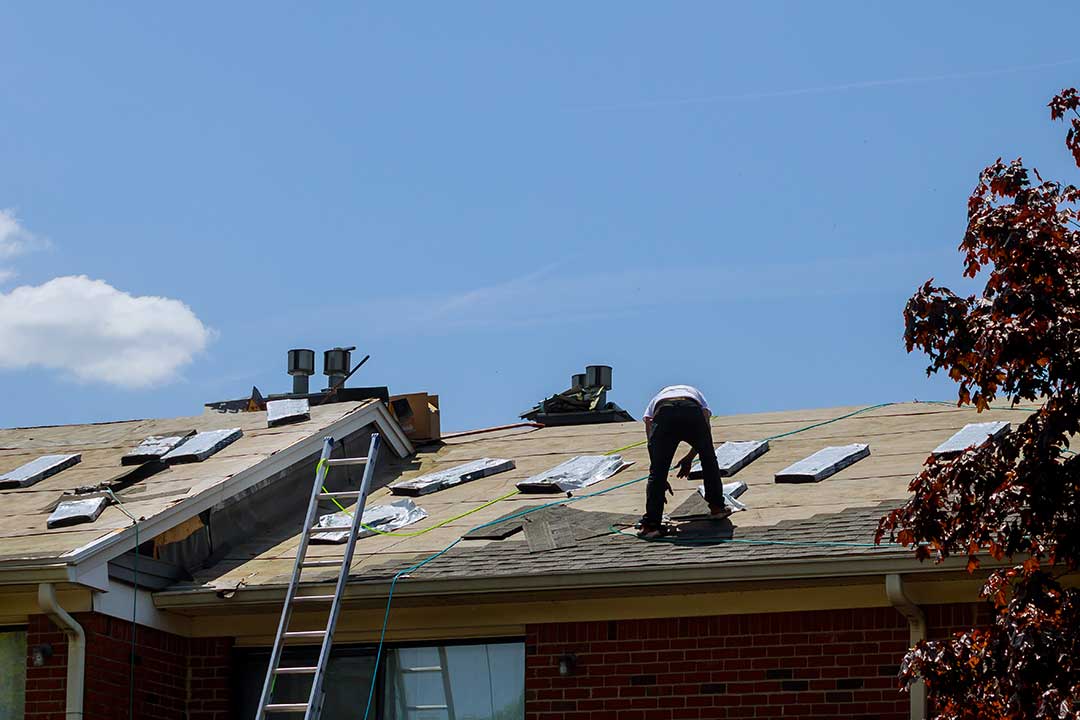
The inspector looks for missing, loose, cracked, brittle, or improperly fastened materials. On asphalt-shingle roofs, excessive granule loss and widespread curling may indicate age or weathering.
Flashing and penetrations
Flashing directs water away from chimneys, vents, skylights, dormers, walls, and roof valleys. Small gaps or corrosion in these areas can cause leaks even when the surrounding shingles look intact.
Drainage
Gutters, downspouts, valleys, and roof slopes must move water away from the structure. Clogged gutters can cause water to back up beneath roof edges and damage fascia, soffits, or exterior walls.
Roof structure
Sagging areas, soft decking, damaged rafters, or signs of movement can indicate a structural concern. These conditions require more caution than ordinary surface wear.
Ventilation and insulation
Poor attic ventilation can contribute to condensation, premature material aging, and ice formation along roof edges. Ventilation should work with adequate insulation and proper air sealing; adding vents without addressing airflow may not solve the problem.
Can a homeowner walk on the roof?
Roof access is not necessary for every inspection and may create a fall hazard or damage fragile roofing materials. Steep slopes, wet surfaces, loose shingles, moss, ice, and deteriorated decking make walking particularly risky.
A ground and attic inspection can identify many concerns. If closer examination is necessary, safe access should be determined by someone trained and equipped for roof work. A roof inspection should never require a homeowner to take an avoidable fall risk.
New York home-inspection rules also recognize that inspectors do not have to walk on or access a roof when doing so could cause damage or create a safety hazard. Inspection reports should describe how the roof was observed, including whether the inspection was performed from the ground, attic, ladder, or roof surface.
How often does an older roof need inspection?
Older roofs benefit from more frequent observation, particularly after severe weather. The actual service life depends on material quality, installation, ventilation, maintenance, roof slope, tree exposure, and weather history.
Age alone does not prove that replacement is needed. Conversely, a relatively young roof can have problems caused by storm damage, poor drainage, installation defects, or inadequate flashing.
A useful inspection report should separate:
- Conditions that require prompt attention.
- Repairs that can reasonably be planned.
- Routine maintenance items.
- Areas that could not be observed safely.
- Evidence of active leakage versus older, inactive staining.
This distinction helps homeowners avoid both unnecessary replacement and delayed repairs.
What should happen after a roof inspection?
Photograph visible concerns and record where they appear, such as the north roof slope, rear valley, attic ceiling, or chimney flashing. Keep inspection notes with records of roof work, permits, warranties, storm dates, and previous leaks.
Address active leaks promptly because moisture can damage insulation, framing, ceilings, wiring, and interior finishes. Place a container under a drip only as a temporary measure, and avoid touching wet electrical fixtures or wiring.
For roof replacement or roof recovery work, homeowners in Greene, NY should verify current local permit requirements before work begins. Roofing requirements can involve the New York State building code as well as local enforcement procedures. A permit question is best resolved before materials are removed or installed.
A careful inspection does not guarantee that a roof will never leak. It does provide a clearer picture of current condition, likely trouble spots, and maintenance needs—information that helps homeowners make safer, better-timed decisions.
