
Do shade trees shorten the life of a roof?
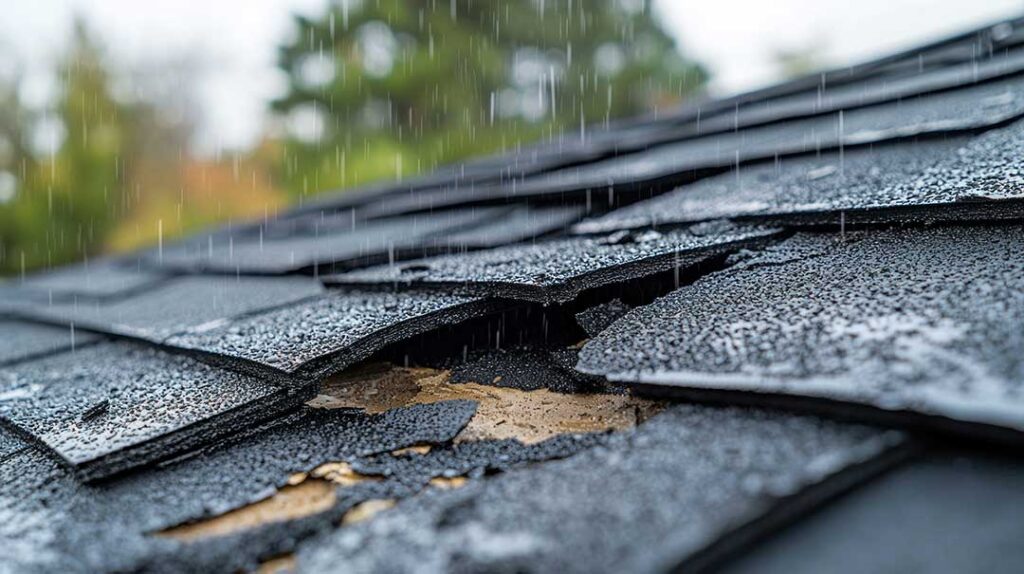
Shade trees do not automatically damage a roof, but dense or poorly managed tree cover can increase maintenance needs and accelerate deterioration. The main risks are trapped moisture, reduced airflow, leaves and needles, clogged drainage, and falling branches.
For homes in Greene, NY, these concerns are especially relevant during long periods of spring rain, humid summer weather, autumn leaf drop, and winter freeze-thaw cycles. A roof under mature trees may remain damp longer than a roof exposed to open sun and wind. That difference can affect shingles, flashing, gutters, and roof edges over time.
The tree itself is rarely the only problem. Roof longevity depends on the combination of shade, debris, ventilation, drainage, roof slope, material condition, and storm exposure.
How does shade keep a roof wet?
Sunlight helps dry roofing materials after rain, snowmelt, and overnight condensation. Heavy tree cover blocks some of that solar warmth and can also reduce air movement across the roof surface.
Moisture may remain in several places:
- Beneath leaves and small branches
- Along roof valleys
- Around chimney and plumbing penetrations
- Near the lower edges of shingles
- Inside gutters and behind packed debris
- On north-facing or otherwise shaded roof slopes
Repeated dampness can encourage moss, algae, lichen, and mildew. Moss is more than a green stain. It can lift or separate shingle edges, hold water against the roofing surface, and make it easier for moisture to reach underlayment or wood components.
A dark streak on shingles is not always moss. Algae may appear as black or brown discoloration without raising the shingles. Even so, staining can indicate that a roof area stays damp for extended periods.
Why are leaves and needles a roofing concern?
Leaves, pine needles, seed pods, and small twigs can collect on a roof and hold moisture against the surface. They are especially likely to accumulate in valleys, around dormers, below tree limbs, and where roof sections meet.
Debris also affects drainage. If gutters or downspouts become blocked, rainwater may back up under the lowest courses of shingles or spill against fascia boards and siding. During freezing weather, trapped water can freeze, expand, and contribute to damage at roof edges and drainage components.
A few scattered leaves are not usually an emergency. The concern is repeated accumulation that remains in place for days or weeks, particularly after wet weather. Roofs with low slopes, complex designs, or heavy tree cover generally need closer observation than open, steeply pitched roofs.
Can branches damage shingles even if they do not fall?
Yes. Branches that touch or scrape the roof can damage shingles gradually. Wind moves the branch against the roofing surface, wearing away protective granules and sometimes exposing the asphalt layer below.
Overhanging limbs may also:
- Drop sticks that puncture or bruise shingles
- Rub against metal flashing
- Block valleys and gutters
- Provide access for squirrels and other animals
- Break during ice, snow, or high-wind events
Large limbs above a roof deserve particular attention because the risk is not limited to normal wear. A single broken branch can damage shingles, vents, flashing, gutters, or roof framing.
Branches do not need to be removed simply because they cast shade. The more practical question is whether they touch the roof, deposit heavy debris, interfere with drainage, or create a clear falling-limb hazard.
Does shade provide any benefits?
Shade can reduce heat gain in the attic and upper rooms during summer. Trees may also protect parts of a building from intense sunlight and reduce wind exposure. These benefits can be meaningful for older homes, homes without central cooling, and houses surrounded by mature vegetation.
The goal is not to eliminate all shade. Removing a healthy tree may create new problems, including soil disturbance, erosion, storm exposure, and the loss of useful summer cooling.
A balanced approach usually involves maintaining reasonable clearance from the roof while preserving beneficial tree cover. Selective pruning can improve airflow and reduce debris without removing an entire tree.
How should homeowners manage trees around a roof?
Tree maintenance should focus on clearance, drainage, and safe observation rather than aggressive cutting.
Useful practices include:
- Keep branches from rubbing against shingles, flashing, vents, and gutters.
- Remove or reduce limbs that consistently drop heavy debris onto the roof.
- Watch for dead, cracked, hanging, or weak branches above occupied areas.
- Clear leaves and needles from valleys and roof sections where they accumulate.
- Keep gutters and downspouts open so water can leave the roof quickly.
- Check shaded slopes for moss, lifted shingles, missing granules, or damp debris.
- Inspect the attic for damp insulation, water stains, musty odors, or daylight around roof penetrations.
- Avoid pressure-washing shingles, which can remove protective granules and force water beneath roofing materials.
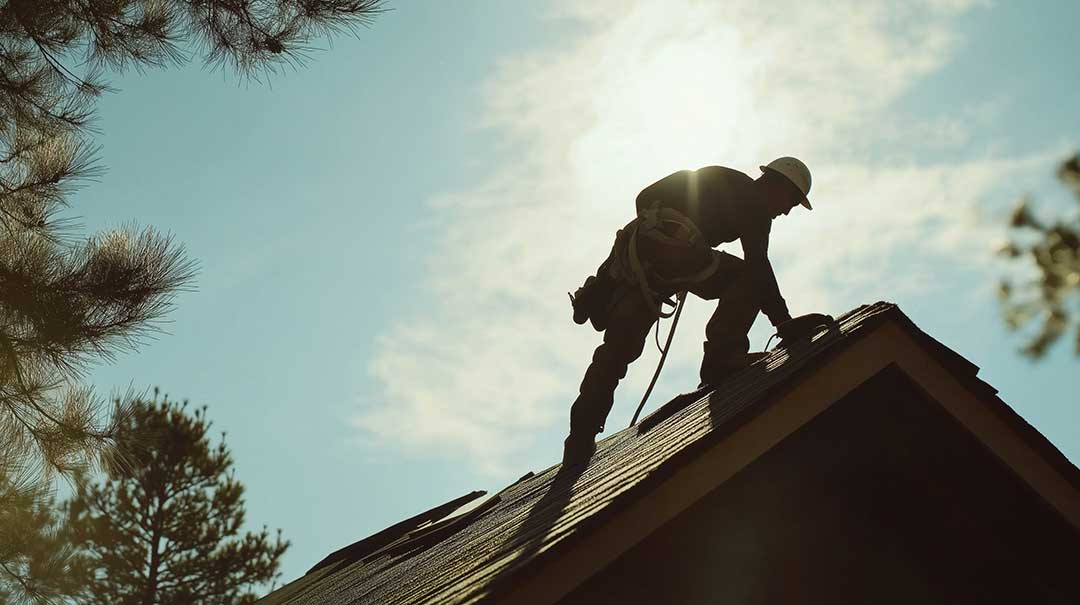
Tree pruning can be hazardous, particularly near roof edges, utility lines, steep slopes, or large limbs. Work involving heavy branches or climbing should be treated as a safety issue rather than a routine do-it-yourself task.
How often should a shaded roof be checked?
There is no single schedule for every property, but shaded roofs benefit from seasonal attention. A practical rhythm is to look over the roof and drainage system in spring, after major leaf drop in autumn, and after significant wind, ice, or snow events.
Residents should pay closer attention when:
- Trees hang directly over the roof
- The property has mature evergreen trees
- Moss returns quickly after cleaning
- Gutters fill soon after they are cleared
- The roof has several valleys or low-slope sections
- Shingles are older or already showing wear
- Snow remains longer on one roof slope than another
Ground-level inspection is often enough to identify obvious trouble. Binoculars can help reveal moss, damaged flashing, displaced shingles, or heavy debris without requiring anyone to walk on the roof.
Should a roof be replaced because it is shaded?
Shade alone is not a reliable reason to replace a roof. A shaded roof may still be performing properly if shingles are intact, drainage works, and moisture is not entering the building.
Replacement becomes a separate question when the roof has widespread granule loss, recurring leaks, brittle or missing shingles, damaged underlayment, or deterioration that cleaning and maintenance cannot correct. Tree cover may explain why a roof needs more frequent care, but it does not determine its condition by itself.
For area households, the most useful habit is to treat the roof and surrounding trees as one maintenance system. Keeping branches clear, preventing debris buildup, encouraging drainage, and watching shaded areas for persistent moisture can help a sound roof perform more reliably through Greene’s wet, snowy, and freeze-thaw seasons.
