
Why does weather have such a strong effect on a roof?
Weather affects a roof through repeated exposure to moisture, temperature changes, wind, snow, ice, and sunlight. A single storm may cause obvious damage, but gradual deterioration often comes from many smaller weather cycles occurring over several years.
In Greene, NY, roofs commonly face a wide range of conditions: cold winters, freeze-thaw cycles, heavy rain, wet snow, summer heat, strong winds, and occasional hail. Each condition affects roofing materials differently. Understanding those effects makes it easier to recognize warning signs before a minor problem becomes interior water damage.
How do rain and moisture damage roofing?
Rain is not usually harmful to a sound roof by itself. Problems develop when water finds a weak point, remains trapped, or is directed into areas that were not designed to handle continuous moisture.
Common moisture-related issues include:
- Missing, cracked, or lifted shingles
- Deteriorated flashing around chimneys, vents, and roof edges
- Clogged gutters and downspouts
- Soft or rotting roof decking
- Water stains on ceilings and upper walls
- Mold or damp insulation in attic spaces
Wind-driven rain can be more troublesome than ordinary rainfall because it may move beneath aging shingles or through small gaps around flashing. Heavy rain can also expose drainage problems. If water pools on a low-slope section instead of flowing toward a drain or edge, the roofing system may deteriorate faster.
A roof leak may not appear directly below the damaged area. Water can travel along rafters, insulation, or decking before entering the living space. For that reason, a small ceiling stain should not automatically be assumed to mark the exact source.
What does winter weather do to a roof?
Winter weather places stress on both the roof covering and the structure beneath it. Snow adds weight, while ice and freezing temperatures create opportunities for water to enter small openings.
Heavy, wet snow is much denser than light, powdery snow. The amount of stress placed on a roof depends on snow depth, moisture content, drifting, roof design, and whether snow accumulates unevenly. Warning signs of excessive structural stress can include sagging roof lines, doors that suddenly stick, unusual cracking sounds, or interior ceiling movement.
Snow should not be removed casually from a roof. Walking on a snow-covered roof can damage shingles and create a fall hazard. Improper scraping can also remove protective granules or break the surface of roofing materials. If snow appears to be causing structural movement or presents a danger near entrances, safety should take priority over routine inspection.
Why are ice dams a concern?
Ice dams form when heat escapes into the attic and warms portions of the roof. Snow melts in those warmer areas, then refreezes near colder eaves. The resulting ridge of ice can block normal drainage and force water beneath shingles or into the attic.
Ice dams are often linked to a combination of conditions:
- Uneven attic insulation
- Inadequate ventilation
- Air leaks around light fixtures, ducts, or attic access panels
- Snow cover followed by freezing temperatures
- Roof sections with different exposure to sunlight
Ice dams are not simply a gutter problem. Cleaning gutters may improve drainage, but it does not correct heat loss through the attic. Reducing air leakage, improving insulation, and maintaining balanced ventilation can help limit the conditions that allow ice dams to form.
How do freezing and thawing affect roofing materials?
Freeze-thaw cycles are especially hard on small defects. Water enters a crack, seam, or porous area, freezes, expands, and places pressure on the surrounding material. When temperatures rise, the ice melts, leaving the opening slightly larger. Repeated cycles can gradually loosen flashing, split sealants, and worsen cracks in masonry or roof surfaces.
This process may affect:
- Shingles with exposed or damaged edges
- Sealants around vents and penetrations
- Chimney flashing
- Roof valleys
- Exposed fasteners
- Older membrane or low-slope roofing materials
A roof does not need to leak immediately for freeze-thaw damage to be developing. Problems may become visible only after the next heavy rain or snowmelt.
Can summer heat and sunlight shorten roof life?
Yes. Ultraviolet radiation and high surface temperatures gradually age roofing materials. Dark roof surfaces can become much hotter than the surrounding air, especially during periods of strong sun and limited airflow.
Heat and sunlight may cause shingles to become brittle, lose protective granules, curl at the edges, or release less effective sealant. Attic temperatures can also rise when insulation and ventilation are inadequate. Excessive heat does not usually create a sudden leak, but it can accelerate the aging of materials that are already worn.
Trees can add another concern during summer. Overhanging branches may scrape shingles in the wind, drop leaves into valleys, and keep roof sections damp after rain. Moss and algae growth are more likely where moisture and shade persist.
What kind of wind damage should residents look for?
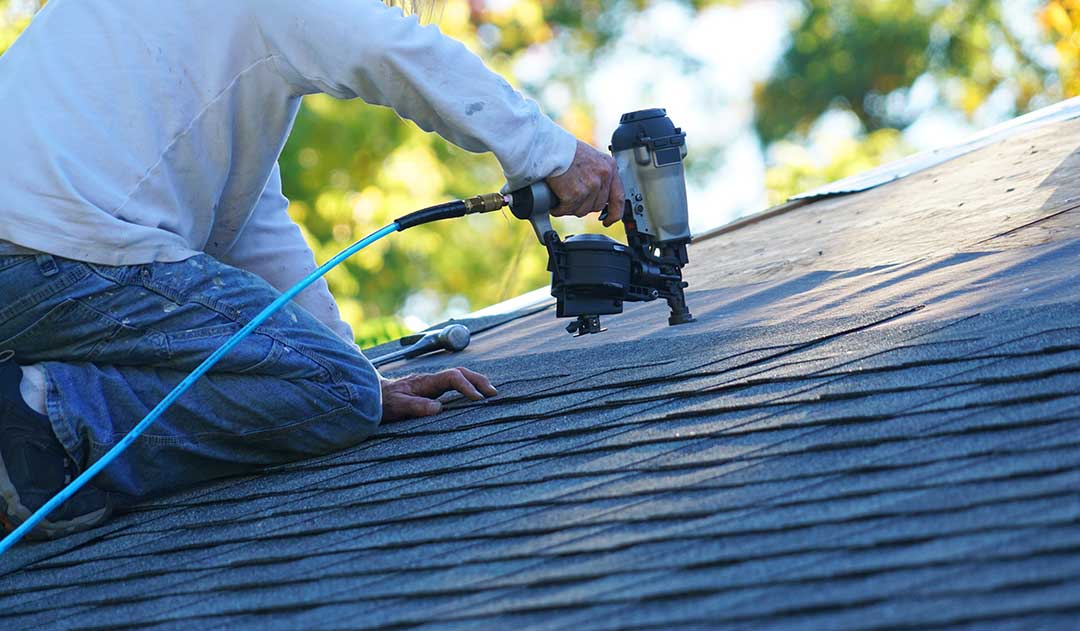
Wind can lift shingle edges, break branches onto a roof, loosen flashing, and expose underlayment. Damage is not always easy to see from the ground. A few missing shingles may be visible, while partially lifted shingles may look intact until the next storm.
After a period of strong wind, a ground-level check may reveal:
- Shingle fragments near the foundation
- Bent or displaced metal flashing
- Loose gutter sections
- Broken branches on or near the roof
- Exposed dark patches where shingles are missing
- Water entry around upper-floor windows or ceilings
Do not climb onto a roof after a storm, especially if surfaces are wet, icy, or unstable. A roof can have hidden structural damage even when the exterior appears mostly normal.
How can hail affect a roof?
Hail can bruise or fracture shingles, damage metal flashing, crack skylights, and dent ventilation components. Some hail damage is obvious, but small impact marks may be difficult to identify without close inspection.
Signs may include exposed fiberglass matting, circular dents, irregular dark marks, or an unusual concentration of loose granules in gutters and downspout areas. Not every roof mark is hail damage; normal aging, foot traffic, and manufacturing variations can look similar.
Inspection should be performed safely from the ground whenever possible. Hail can also damage siding, window trim, air-conditioning equipment, and vehicles, so checking several exterior surfaces may help establish whether a storm affected the property broadly.
What should be checked after severe weather?
After a major rain, wind, hail, or snow event, look from the ground and inspect accessible interior areas such as the attic. Useful checks include:
- New stains or damp spots on ceilings and walls
- Daylight visible through the attic roof deck
- Wet insulation or a musty odor
- Sagging gutters or downspouts
- Fallen branches or roof debris
- Shingles or flashing found on the ground
- Changes in roof lines or visible sagging
Active leaks, structural movement, exposed electrical components, or large fallen trees require prompt attention because the danger may extend beyond the roof covering itself. Temporary protection should be handled carefully, since climbing ladders or walking on a damaged roof can create additional injury risks.
How can weather-related roof problems be reduced?
Routine maintenance cannot prevent every storm-related problem, but it can reduce the number of weak points available for weather to exploit. Keep gutters and downspouts clear, watch for damaged flashing, trim branches that rub against the roof, and make sure attic insulation and ventilation are functioning as intended.
A seasonal inspection is particularly useful in this region: once after winter conditions ease and again before the heaviest winter weather arrives. Looking for small defects during mild weather is safer and usually more informative than waiting for a leak during a storm.
The most useful approach is to think of the roof as a system. Shingles, flashing, ventilation, insulation, gutters, and roof structure all influence how well a home handles changing weather. A problem in one part can place stress on the others, especially during repeated cycles of rain, snow, freezing, thawing, and wind.
