
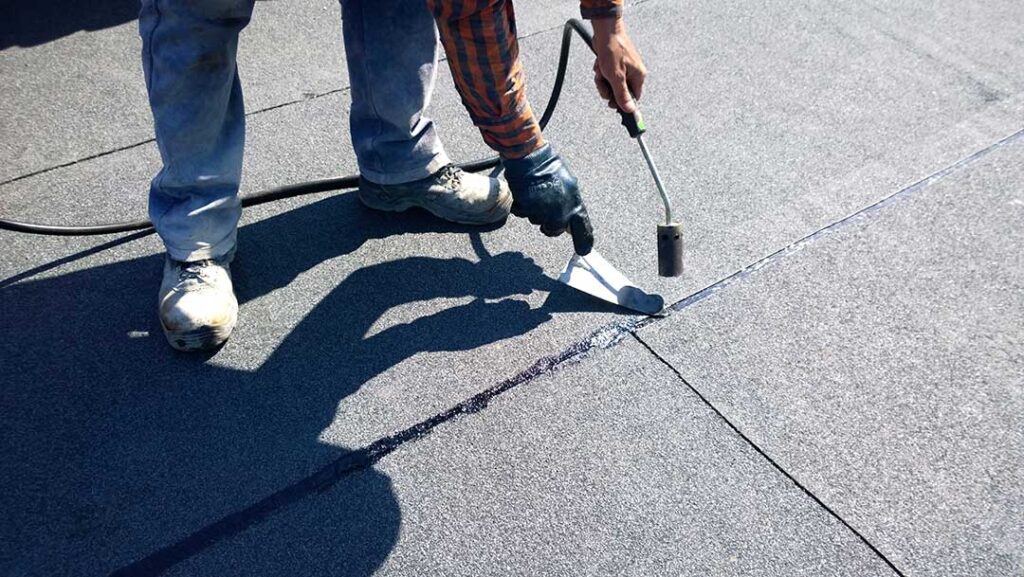
Roof flashing is the thin, shaped material installed around roof edges, joints, openings, and wall intersections to direct water away from vulnerable areas. Although flashing is often hidden beneath shingles or siding, it plays a major role in preventing leaks, wood decay, insulation damage, and interior staining.
For homes in Greene, NY, flashing deserves particular attention because roofs must handle rain, snow, freeze-thaw cycles, wind, and occasional ice buildup. A roof can have sound shingles and still leak if its flashing is damaged, poorly installed, or missing.
What does roof flashing do?
Roof flashing creates a water-resistant transition between surfaces that meet at different angles or move independently. Instead of allowing water to collect in a seam, flashing guides it toward the roof drainage system.
Common flashing locations include:
- Where a roof meets a chimney or wall
- Around plumbing vent pipes
- Along roof valleys
- Around skylights
- At roof edges and eaves
- Around dormers and roof extensions
- Where two roof sections meet
- Behind areas where siding meets roofing
These locations are vulnerable because water naturally concentrates there. Shingles provide broad surface coverage, but they are not designed to seal every change in direction or opening.
What materials are used for flashing?
Flashing is commonly made from aluminum, galvanized steel, copper, or other corrosion-resistant sheet materials. The right material depends on the roof design, exposure, existing components, and how different metals may react when placed together.
Aluminum is lightweight and widely used, but it can be damaged more easily than heavier metals. Galvanized steel is strong but may eventually rust if its protective coating is scratched or exposed to persistent moisture. Copper is durable and develops a natural patina, though it is less common on ordinary residential roofs because of its cost.
Flexible flashing products may also be used around irregular shapes, penetrations, or areas where movement is expected. The material itself matters, but installation details matter just as much. Even durable metal will not perform well if it is bent incorrectly, fastened improperly, or installed without proper overlap.
Where are the most important flashing areas?
Chimney flashing
Chimneys are among the more leak-prone roof features because they interrupt the roof surface and often involve masonry, mortar joints, and multiple angles.
A properly flashed chimney usually has metal flashing at the lower edge, step flashing along the sides, and counterflashing built into or secured against the masonry. If the mortar joints deteriorate or the metal pulls away, water may enter behind the flashing and travel into the attic or wall before becoming visible indoors.
A stain near a chimney does not always mean the leak is directly above the stain. Water can move along rafters, sheathing, or framing.
Wall and dormer flashing
Where a sloped roof meets a vertical wall, step flashing is typically installed in sections that overlap as the roof rises. This allows water to move downward without entering the joint between the wall and roof.
Dormers are especially complicated because they combine several wall-to-roof transitions, corners, and changes in slope. Missing or poorly integrated flashing around a dormer can produce leaks that appear near windows, ceilings, or upper-floor walls.
Valley flashing
A roof valley channels water from two roof planes into one drainage path. Some valleys rely on layered roofing materials, while others include metal or membrane protection beneath the shingles.
Valleys receive concentrated runoff and can also collect leaves, pine needles, and winter ice. If shingles are cut too closely, fasteners are exposed, or debris remains trapped, the valley may leak even when the surrounding roof appears sound.
Plumbing vent flashing
A plumbing vent flashing includes a base that sits beneath the roofing and a collar that seals around the pipe. The rubber or synthetic seal around the pipe can crack with age or temperature changes.
A leak around a vent may show as a ceiling spot in a bathroom, bedroom, or hallway. Because the pipe passes through the roof, even a small gap can allow repeated moisture entry during rain or melting snow.
Roof edges and eaves
Flashing at roof edges helps protect the lower edge of the roof deck and supports proper drainage into gutters. Drip edge flashing is installed along the eaves and rakes to direct water away from the fascia and underlying wood.
Without effective edge flashing, water may run behind gutters, soak the roof edge, or contribute to peeling paint and rotting trim. Ice dams can make these problems worse by holding water against the roof edge during winter.
How can flashing fail?
Flashing may fail because of age, corrosion, storm damage, movement, poor original installation, or repeated expansion and contraction. Roofing work performed around flashing can also create problems if existing metal is bent, cut, or covered without proper integration.
Typical warning signs include:
- Rust, holes, or split seams in visible metal
- Loose sections around chimneys or walls
- Missing pieces after high wind
- Cracked sealant used as a temporary patch
- Water stains near exterior walls or ceilings
- Damp insulation or dark roof sheathing
- Peeling paint near rooflines
- Mold-like odors in attic spaces
- Drips that appear only during wind-driven rain or snowmelt

Sealant can help close a small surface gap, but it is not a substitute for correctly layered flashing. Caulk eventually dries, shrinks, or separates as the roof moves.
Can a roof leak without visible flashing damage?
Yes. Flashing problems are often concealed beneath shingles, siding, mortar, or trim. A visible section may look intact while water is entering at an overlap or below the upper layer.
Leaks can also be intermittent. A roof may remain dry during a light rain but leak during wind-driven storms, heavy rainfall, or rapid snowmelt. Water may travel several feet before appearing inside, making the location of an interior stain an unreliable guide to the exact source.
An attic inspection can reveal wet insulation, darkened wood, rusty fasteners, or water tracks. However, entering an attic requires caution because of low headroom, exposed nails, unstable surfaces, electrical equipment, and limited ventilation.
What should homeowners understand about winter conditions?
Snow and ice do not automatically damage flashing, but repeated freezing and thawing can expose weaknesses. Water that enters a small gap may freeze, expand, and widen the opening. Ice buildup can also place pressure on roof edges, gutters, and flashing.
After major winter weather, it is useful to check for:
- Displaced metal near roof edges
- Bent or detached gutters
- Shingles lifted near valleys or wall lines
- Interior stains that appear during thawing
- Icicles accompanied by water leaking indoors
Removing snow or ice from a roof can be dangerous and may damage shingles or flashing if done improperly. Roof access should be treated as a safety issue, particularly on steep or icy surfaces.
Is flashing replaced during a roof replacement?
Sometimes, but not always. Flashing that is firmly integrated, correctly shaped, and free of corrosion may be reusable in limited situations. However, flashing around chimneys, walls, skylights, and roof penetrations can be difficult to preserve during reroofing.
Simply placing new shingles over questionable flashing can leave the underlying problem in place. A proper evaluation considers whether the flashing can be integrated with the new roofing layers and whether its condition matches the expected service life of the roof.
For homeowners reviewing roofing work, useful questions include:
- Which flashing areas were inspected?
- Which pieces were replaced?
- How are wall intersections and roof penetrations being sealed?
- Is the chimney flashing integrated with the masonry?
- How will the roof edge direct water into the gutters?
Understanding these details helps distinguish a surface repair from a durable water-management system. Flashing may be out of sight, but it is one of the parts of a roof that most directly controls where water goes.
